




The family of Kamilaroi-Dunghutti man Ricky 'Dougie' Hampson Jr, whose preventable death occurred in the aftermath of being misdiagnosed at Dubbo base hospital, have said the medical facility should be "ashamed".
On Tuesday, Deputy State Coroner Erin Kennedy said the father of eight's death was "totally unnecessary" and "preventable", after he was misdiagnosed with cannabinoid hyperemesis syndrome (CHS) - an illness identified in long-term cannabis users - and then sent home the next day without a CT scan, in August 2021.
"He went to hospital, he didn't like hospital, and he didn't receive adequate care, and now he's lost to [his family]," she said.
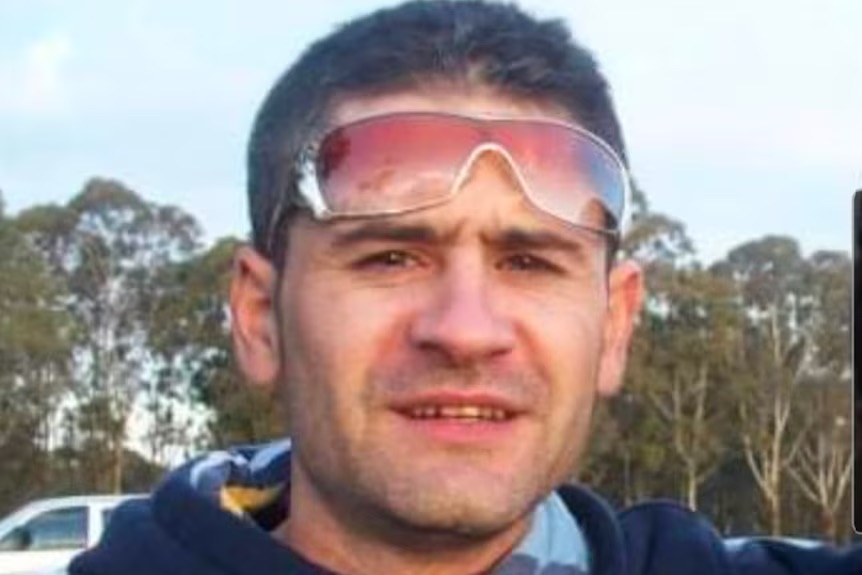
Mr Hampson Jr died a day after being discharged on a friend's couch from two undiagnosed perforated duodenal ulcers.
"The coroner has made a finding that my son's death was preventable – he didn't have to die," Mr Hampson Jr's father, Rick Hampson Snr, said outside of court on Tuesday.
"If Dubbo Base Hospital had just done their job, he would be here with us today. A lot of Black fellas don't normally go to the hospital, because of the track record of the health system in this country."
He highlighted the reality for First Nations people in the healthcare system in Australia.
"Just look at what happened to our beloved son. He was terrified of hospitals, but he still went to Dubbo Base Hospital that day because he knew something was seriously wrong," he said.
"And what did he get in return – his worst fears became a reality. Dougie walked out of that hospital with a death sentence because he was ignored and treated so poorly - by the very people that should have saved his life. He died alone and without his family. And he died, even though he did everything that a patient should have done."
Magistrate Kennedy recommended Dr Sokol Nushaj, who admitted during the inquest that cognitive bias had led him to misdiagnose Mr Hampson Jr, despite him showing no signs of vomiting - a key indicator of CHS - to the NSW healthcare complaints commission.
The two week inquest held earlier this year heard Mr Hampson Jr would have likely survived and gone on to live a normal life if he had been given the treatment he needed in a timely manner.
Mr Hampson Snr said every day since his son died three years ago had been "hell" for the family.
"I struggle to get up. I struggle to breathe but we carry on in the hope that we get justice for our son," he said.
"After three long years of fighting for justice and change, we feel that we are finally on the path to justice after receiving these findings and recommendations. But we will never heal fully as a family until we receive justice for Dougie. This is only the beginning – there can be no healing without justice."
.jpg)
Magistrate Kennedy said that whilst some steps had been taken at the hospital since Mr Hampson Jr's death, "more needs to be done".
She recommended Western NSW Local Health District establish a First Nations consultation and advisory group in collaboration with local Indigenous health organisations, ensuring face-to-face engagement with local Indigenous people was a regular occurrence.
She argued that whilst there was no specific racial bias - conscious or unconscious - during the treatment of Mr Hampson Jnr, no real attention was given to his Aboriginality.
Furthermore, Magistrate Kennedy criticised the term 'colour blind treatment', arguing it simply didn't work when First Nations people continue to have such disproportionate outcomes.
Mr Hampson Snr said all the recommendations should be legally enforced.
"Getting these reforms won't bring Dougie back. Nothing will do that," he said.
"If we can save the lives of other First Nations people by getting these reforms through, it will go some way towards healing the pain my family and I carry inside us.
"We don't trust the healthcare system because this system kills our people. It doesn't heal."
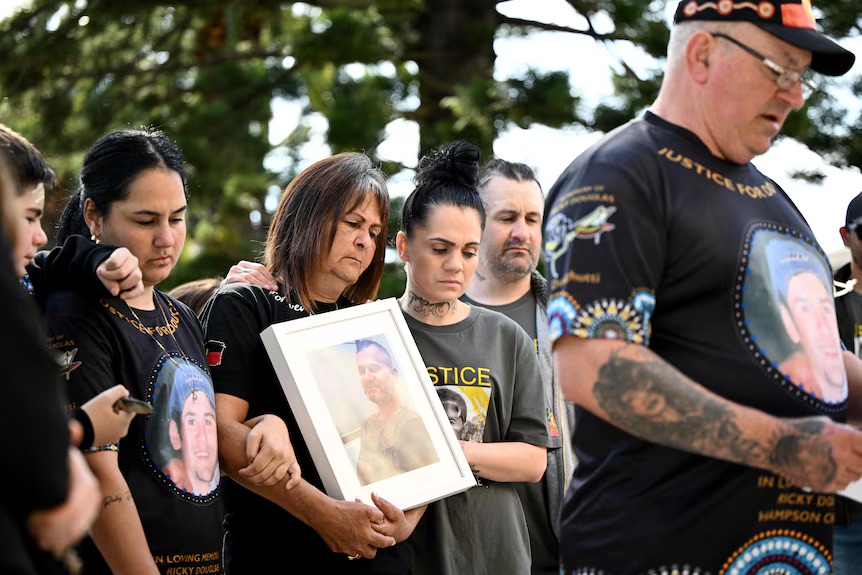
Karina Hawtrey, a solicitor at the National Justice Project, said the inquest heard how "racism operates in the health system and the need for culturally safe care to be provided to First Nations patients".
"Dougie's family are seeking justice, accountability and systemic change and we hope today's findings will go some way to help achieve this," Ms Hawtrey said.
Mr Hampson Snr condemned the treatment of his son, arguing there were people around him who had the skills to save his life.
"He spent those many hours in that hospital, scared, alone, without his family, in pain while the doctors and nurses were failing to do their jobs. Shame on Dubbo Base Hospital," he said.
"That is the reality of being Blak in this colony. The hospitals in this country kill Aboriginal people, that's the reality our mob live with every day. Dubbo Base Hospital should have saved our son's life, instead they killed him."



