




The federal government says it has reached the halfway point of its Remote Jobs and Economic Development Program (RJED), with 3,000 new jobs approved.
In an announcement to be made during her speech at the Garma Festival in north-east Arnhem Land on Saturday, Minister for Indigenous Australians Malarnirri McCarthy will highlight the creation of 1,300 new jobs in remote communities following the third round of grant applications.
The announcement follows the creation of 1,700 jobs through the first two funding rounds and program trials, bringing the total number of approved jobs to 3,000, according to the government.
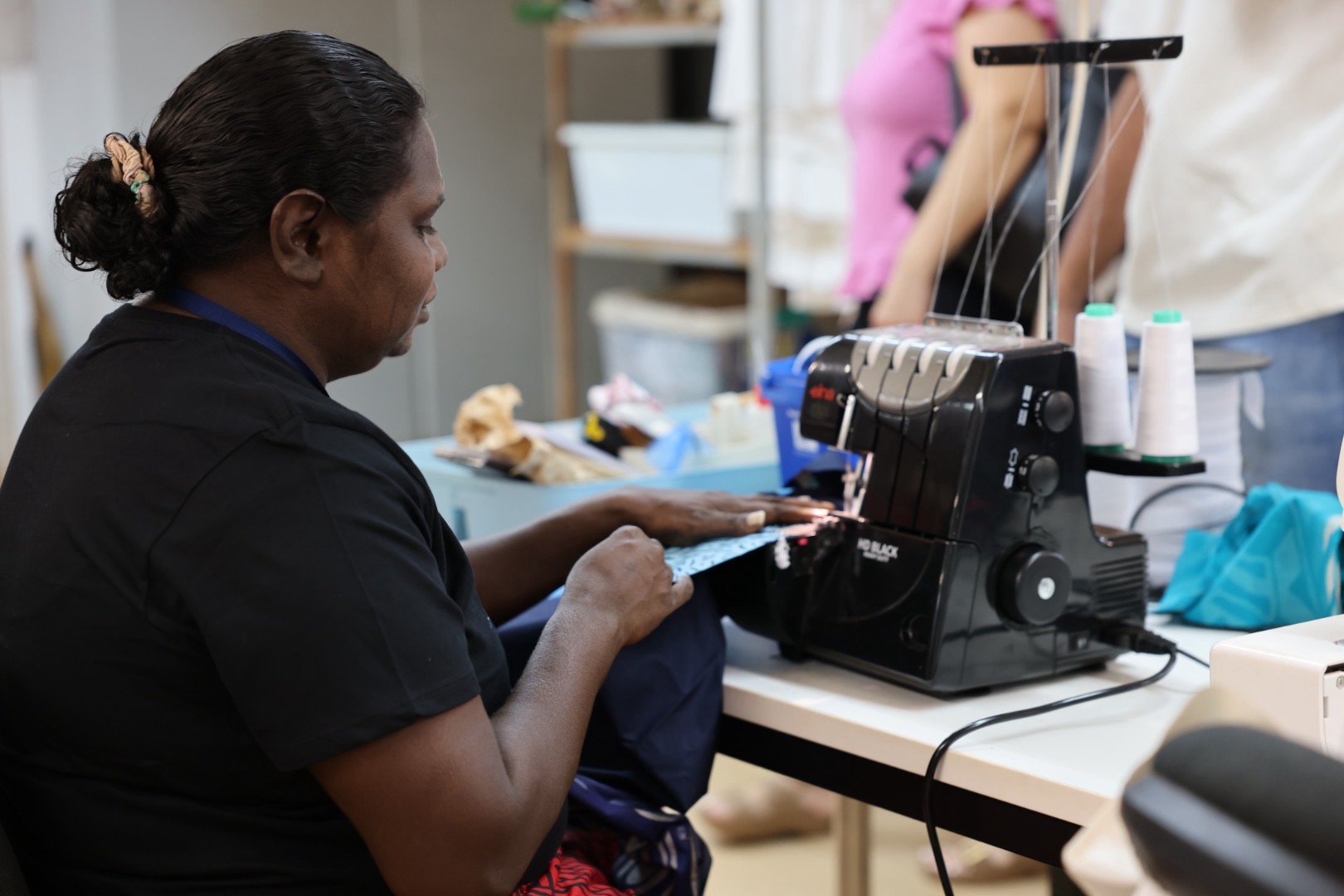
Senator McCarthy said the program is "changing lives in some of our most remote communities, creating jobs with decent wages and conditions that align with community needs".
"We are seeing the impact of our investment with more people moving into local jobs, some for the first time, building skills and delivering services that are making a difference to their communities," she said in a statement.
"RJED is backing communities to drive their own economic futures by creating jobs, strengthening local businesses and organisations, and delivering long-term opportunities in remote communities."
The program is designed to support sustainable job creation in remote communities by helping both employees and employers over the long term. An RJED Community Jobs and Business Fund also supports capacity building and sustainability through mentoring and supervision.
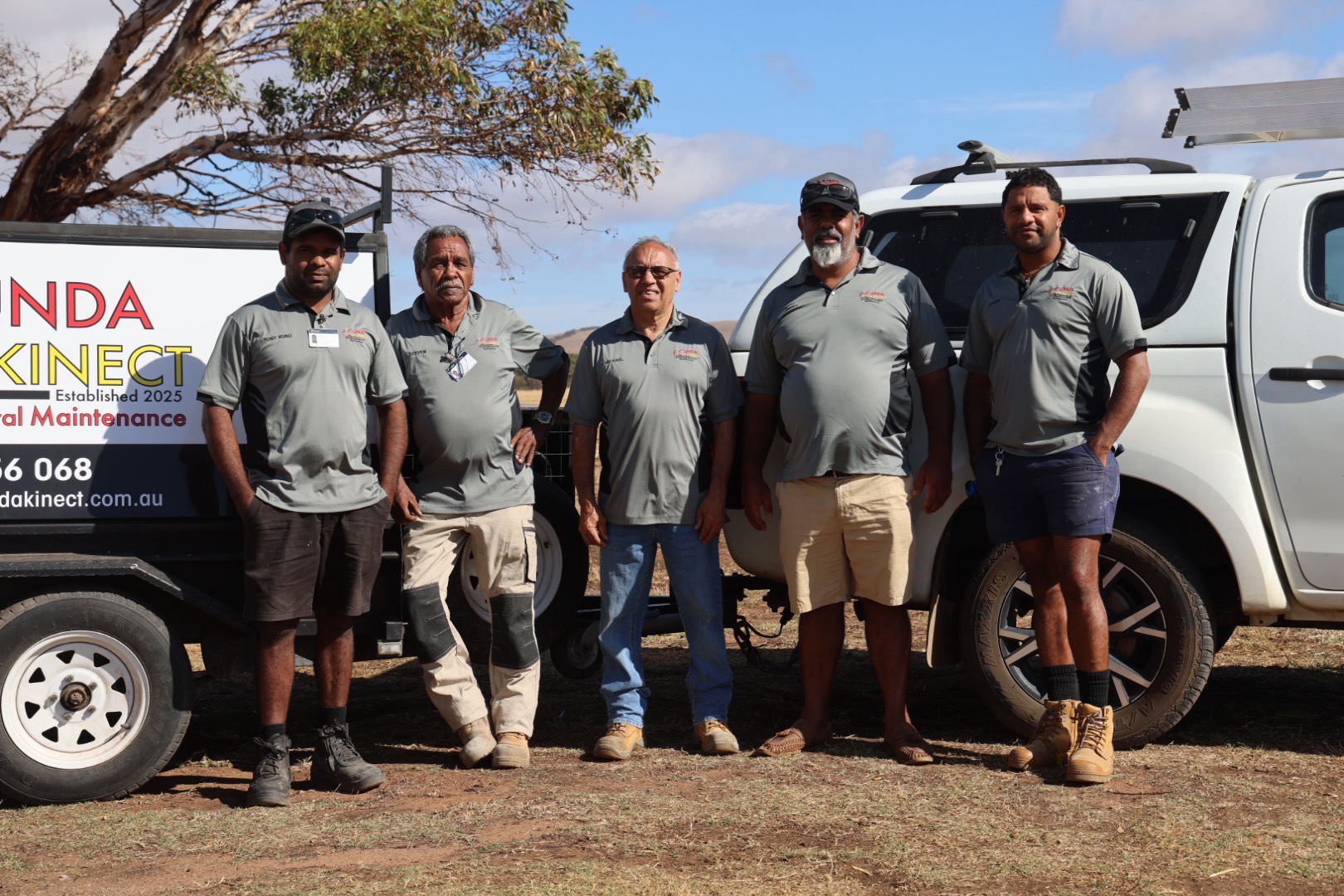
In the May budget, funding for the RJED program — which replaced the Coalition-era Community Development Program (CDP) — was doubled, with $299 million committed over five years. The investment is intended to increase the number of remote jobs to 6,000 by the end of the decade.
The third funding round — the largest in the program's history — opened in February. The government says about 85 per cent of successful employers are First Nations organisations, with jobs spanning hospitality, retail, conservation, renewable energy, youth services and construction across full-time, part-time and casual roles.
A fourth round of grants is expected later this financial year.
Labor's Special Envoy for Remote Communities, Marion Scrymgour, said expanding employment opportunities in remote communities was having a tangible impact.
"RJED is an important program that is making some real impact for people in remote areas," she said.
"This program provides real wages and conditions, but importantly it drives economic development and employment out bush."
The government has consistently linked the program to its broader push for economic self-determination.
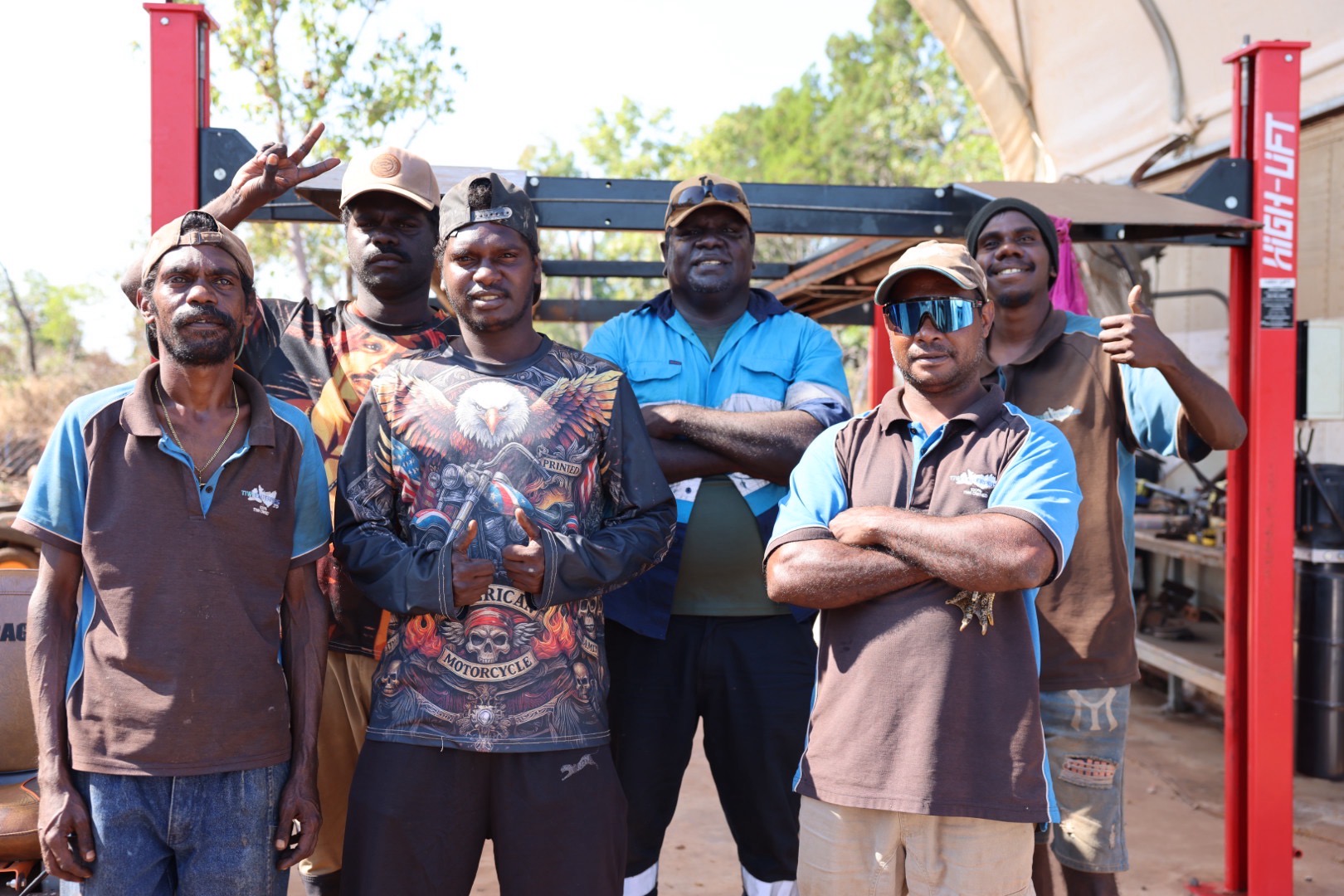
Speaking earlier this year, Prime Minister Anthony Albanese said self-determination "flows from financial security " and from "having a stake in the economy".
"Our government values the security and opportunity that a good job provides - and we respect the dignity of work," he said. "That is why we promised to abolish the failed CDP — and we have."
Mr Albanese made similar remarks at last year's Garma Festival after launching the First Nations Economic Partnership with the Coalition of Peaks and the First Nations Economic Empowerment Alliance.
"Making sure Aboriginal and Torres Strait Islander Australians can get a secure job, make the most of business opportunities and benefit from their land is a big part of Closing the Gap," he said.
"The First Nations Economic Partnership will help put communities in the driver's seat of economic opportunity, ownership and equity."
Opposition Indigenous Australians spokesperson Julian Leeser used his Garma speech on Friday to criticise the government's target of creating 6,000 RJED jobs by the end of the decade.
"We must do better than that," he argued.
"A country must be ambitious about its own people. After all, if leaders don't see a big future for our children, how can we build it for them?"



