




The Federal Government has used World Ranger Day to celebrate the work of Indigenous Rangers, whilst also highlighting progress towards its commitment to double the national Indigenous Ranger workforce by the end of the decade.
The government said 193 new ranger groups have been established since 2024 through the expanded Indigenous Rangers Program (IRP), bringing the total number of groups operating across Australia to 320.
They have committed to increasing the ranger workforce from 1,900 to 3,800 by the end of the decade.
Minister for Indigenous Australians Malarndirri McCarthy said World Ranger Day was an opportunity to recognise the contribution Indigenous Rangers make across the country.
"By expanding the Indigenous Rangers Program, we are creating jobs and career pathways in some of our most remote areas and supporting First Nations people to lead land and sea management," the Minister said.
"Caring for Country is about protecting the environment, while at the same time strengthening communities, keeping culture strong and passing knowledge to future generations."
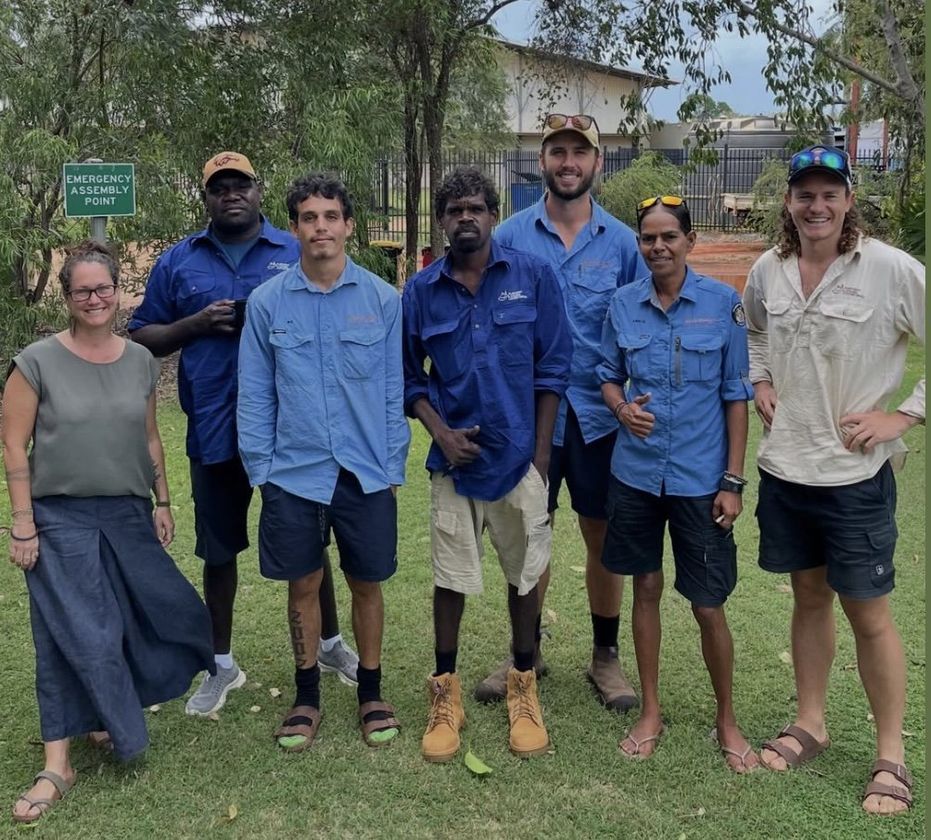
Women now make up 43 per cent of the Indigenous Ranger workforce, reflecting what the government says is the growing leadership of women in caring for Country.
According to the government, more than 90 per cent of Indigenous Ranger groups undertook cultural heritage management activities last year, while 78 per cent worked to protect threatened species across some of Australia's most significant landscapes and ecosystems.
The IRP also delivered employment and training outcomes, with 663 Indigenous Rangers gaining nationally recognised qualifications in conservation, cultural heritage management and leadership during the past year.
Environment Minister Murray Watt said rangers were playing a key role in protecting Australia's environment and cultural heritage.
"Indigenous Rangers are working across Australia to repair biodiversity and manage invasive species like gamba grass and feral cats, and on Sea Country to monitor the health of seagrass meadows and habitat for dugongs and turtles," he said.
"We celebrate the thousands of Indigenous Rangers who are sharing knowledge between generations from the oldest continuing living culture."
Special Envoy for Remote Communities Marion Scrymgour said ranger groups delivered environmental, cultural and employment benefits in remote Australia.
"I congratulate all our Indigenous Rangers for their commitment and hard work in protecting our natural environment," she said.
"Ranger groups provide valuable employment opportunities in some of our most remote communities, and I am pleased we are doubling the amount of ranger jobs by the end of the decade."



