




Prominent Aboriginal leaders will rally outside Northern Territory Parliament on Tuesday as the Territory Government prepares to introduce its widely criticised child protection laws.
Earlier this month, the Country Liberal Party (CLP)-led parliamentary committee ignored evidence and expert advice and recommended the laws — drafted in the wake of the tragic death of Kumanjayi Little Baby in April — be passed with only a minor amendment, despite 120 of the 150 submissions calling for the legislation to be scrapped or substantially amended.
The rally, scheduled to begin at 10.15 am, will rally against the bill and also call on the Commonwealth to hold the NT Government to account for the "politically motivated legislative changes that ignore the evidence, front-line organisations and experts".
Speakers include North Australian Aboriginal Family Legal Service CEO Cindy Torrens, North Australian Aboriginal Justice Agency (NAAJA) chief executive Ben Grimes, NAAJA Chairperson Theresa Roe, Northern Land Council Chairperson Matt Ryan and Aboriginal Housing Northern Territory CEO Leanne Caton.
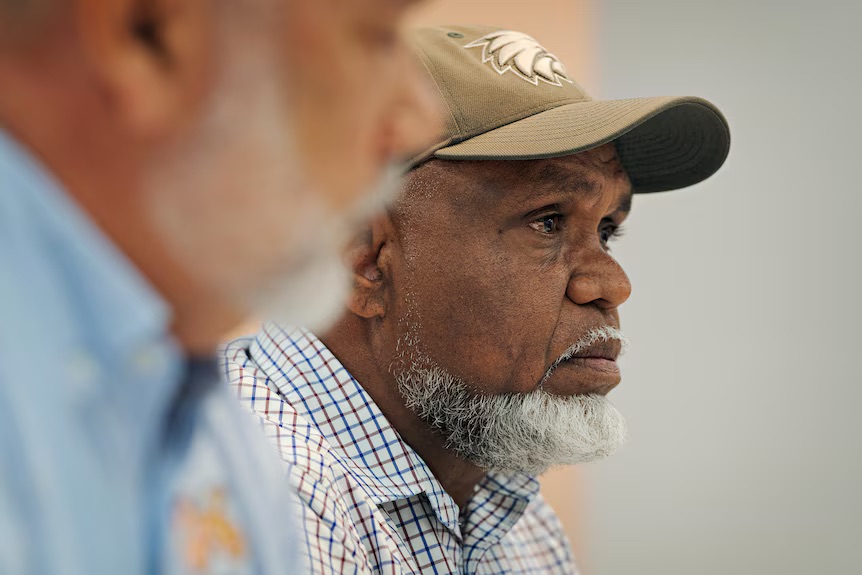
In a statement, Mr Ryan said "all children deserve to grow up connected to family and culture".
"This Bill will remove safeguards put in place to ensure history does not repeat itself," he said. "No more stolen generations. Our children deserve better."
Experts and advocates say the proposed laws will fail to make children in the Northern Territory safer and instead weaken the Aboriginal and Torres Strait Islander Child Placement Principle (ATSICPP). Introduced following the Bringing Them Home report, the ATSICPP is intended to ensure children removed from their families maintain connections to family, community and culture.
The legislation would remove the legal enforceability of the ATSICPP so that it applies only "as far as practicable", while also capping protection orders at two years in favour of permanency placements.
SNAICC - National Voice for our Children CEO Catherine Liddle said the NT Government had ignored expert advice and instead chosen "politics over evidence".
"These are not administrative changes," Ms Liddle said. "They are decisions that will shape the lives, families and futures of Territory children for generations. Territory children and families will live with the consequences of this harmful legislation long after the political debate is over."
Mr Grimes added: "The Bill is the latest in a pattern of legislative reforms introduced by the NT Government over the past two years in which the government fails to consult with stakeholders and legislates despite sustained opposition from Aboriginal leaders and organisations."
%20(1)%20(1)%20(1).jpg)
Despite the ATSICPP being embedded in the Territory's child protection system, the latest data shows only 17 per cent of First Nations children aged 0-17 in out-of-home care were placed with an Aboriginal and Torres Strait Islander relative or kin — the lowest rate in the country.
On Monday, National Indigenous Times reported Northern Territory and Queensland child protection ministers Robyn Cahill and Amanda Camm did not sign a statement — endorsed by every other child protection minister in Australia — affirming that implementation of the ATSICPP is "entirely consistent with child safety".
Ms Cahill did not respond to questions from National Indigenous Times asking whether she supports the principle or its benefits for Aboriginal children.
Legal and child welfare experts have repeatedly argued the minister has misrepresented — deliberately or otherwise — the legislation.
In May, a coalition of eight legal and family violence prevention services issued a statement criticising Ms Cahill for comments they argued again "demonstrate a fundamental misunderstanding of the legislation she administers".
"Earlier public commentary by the Minister repeatedly suggested that the ATSICPP somehow competes with the safety and well-being of children," they said. "That proposition is legally incorrect...The Act already makes the best interests of the child the paramount consideration in every child protection decision."
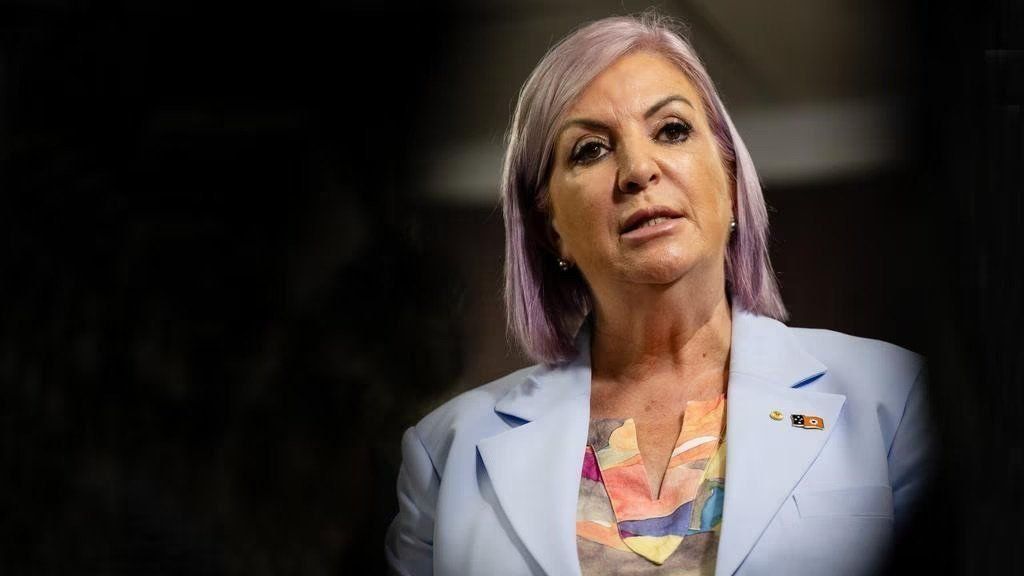
Writing in NT News on Monday, Ms Cahill said the legislation "does not remove recognition of the unique importance of Aboriginal culture, language, Country or kinship".
"Those considerations remain central to decisions involving Aboriginal children as culture is not an optional extra, it is central to identity, belonging and healing," she said.
The parliamentary inquiry's recommendation to pass the legislation prompted Northern Territory Children's Commissioner Shahleena Musk to resign, citing concerns about the Territory Government's approach to governance, transparency and child protection reform.
Despite Ms Musk's long history in the sector, including numerous reports on child safety in the Northern Territory, as well as her experience as a prosecutor, Ms Cahill responded to the resignation by arguing that if the former commissioner "will not put children's safety ahead of everything else, then it is right that they move on".
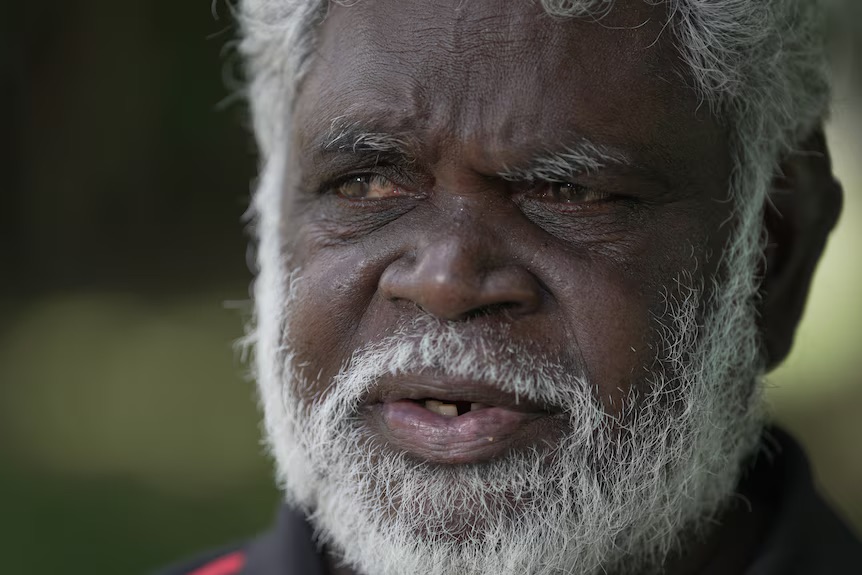
Yiŋiya Mark Guyula, the independent MLA for Mulka, said the government had "decided to do maximum damage by introducing a Bill that will remove more Aboriginal children from their kin and Country," rather than working with communities on programs that support families.
Mr Guyula said removing children from their communities to larger centres such as Darwin, where people often speak a different language, is harmful.
"Our Elders want to be included in child protection reform," he said. "We know what will work and we are devastated that we have not been included in the discussion or decision-making process on such a critical issue that goes to the heard of every Aboriginal community."
Danila Dilba CEO Rob McPhee said rushing the legislation through without genuine consultation with First Nations communities is "nothing short of arrogant".
"The overwhelming evidence tells us that Aboriginal children are given the greatest chance to thrive into their adulthood when they are raised by kin and can maintain their connection to culture," Mr McPhee said.
"The rights, wellbeing and cultural connections of our children must sit at the centre of any reform to the children protection system. What we need is investment in prevention, in housing, in family support — not just more of the same punitive responses."



