




A Northern Territory parliamentary committee has recommended passing the controversial CLP government's proposed child protection legislation, outraging child safety experts and Labor, who say the government has used the inquiry as a box-ticking exercise.
Following the tragic death of five-year-old Kumanjayi Little Baby in April, the NT Government has focused its response on child protection, introducing new legislation and commissioning a review into the department's handling of her case in the lead-up to her death.
As part of a policy shift canvassed for more than a year, in May, the CLP Government announced amendments to the Care and Protection of Children Act, arguing a new "Universal Principle" will "for the first time" establish child safety "as the primary consideration, placing the best interests of every child first, regardless of background".
The proposed reforms would alter the Aboriginal and Torres Strait Islander Child Placement Principle (ATSICPP), which is designed to ensure children removed from their families maintain connections to family, community and culture.
In reviewing the bill, the Northern Territory Legislative Scrutiny Committee, chaired by CLP MLA Oly Carlson, received 150 submissions — the majority opposing the legislation in its current form — and heard from numerous experts over a two-day public hearing before recommending it be passed with only one minor amendment.
This, despite human rights, Aboriginal and legal organisations calling for broader consultation on what they describe as a broken child protection system.
%202%20(1)%20(1).jpeg)
In response, the peak body for First Nations children and young people, SNAICC - National Voice for our Children, said the committee's decision — despite the overwhelming evidence presented — showed it was nothing more than a political exercise.
Chief executive Catherine Liddle said the decision was an extraordinary rejection of decades of evidence, arguing the committee "chose politics over evidence and it is Territory children and families who will pay the price".
"You cannot claim to put children first while rejecting the evidence about what keeps children safe," she said.
"The evidence opposing this harmful legislation presented to this inquiry was overwhelming. From Aboriginal Community-Controlled Organisations to child protection experts and frontline services, the warnings were clear. Yet our evidence and expert advice has been ignored."
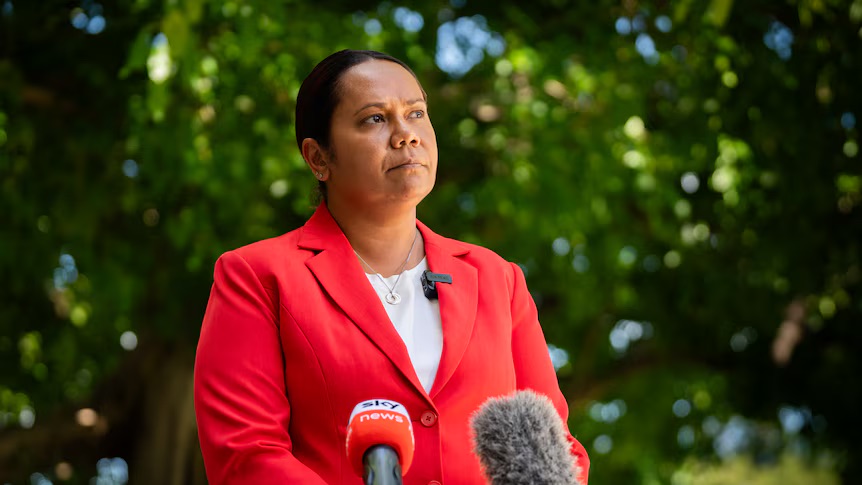
Labor leader Selena Uibo said everyone agreed children needed to be kept safe. The evidence presented, she argued, "showed this Bill will do the opposite".
"The Bill sets Territory children and families up to fail. It leans on punishment, compliance and removal rather than the early supports needed to address the real reasons families come into contact with the child protection system: poverty, overcrowding, family violence, trauma, disability, mental health, addiction and the lack of basic services," she said in a scathing statement criticising the government's lack of consultation.
"It weakens the practical operation of the Aboriginal Child Placement Principle, reduces opportunities for safe reunification, limits family involvement and enables the permanent separation of children from family, kin, community, language and Country."
The two non-government committee members — Independent Justine Davis and Labor's Dehran Young — issued scathing dissenting reports, arguing the committee's recommendation disregarded the evidence presented.
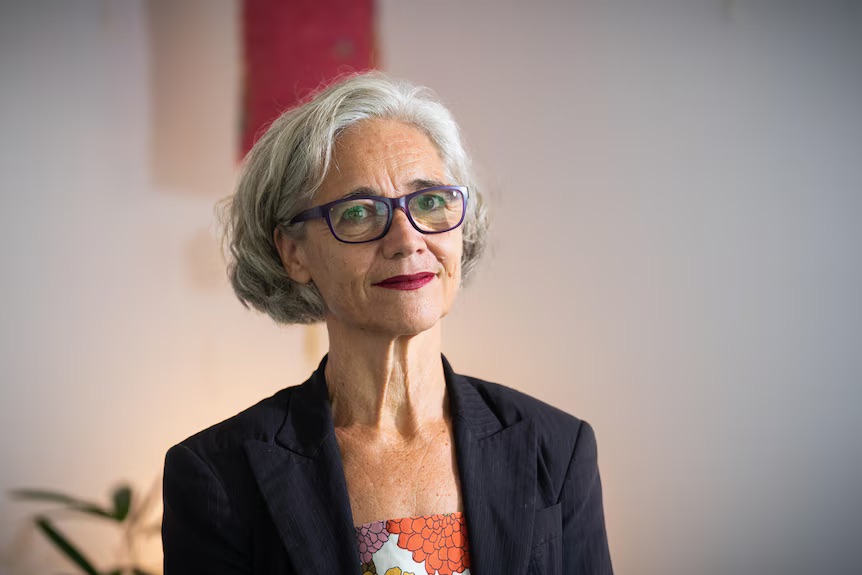
"Throughout this inquiry, the government argued that stronger legislation will make children safer. The evidence before the committee points in a different direction," Ms Davis said.
"Peak legal services, medical associations, community-controlled organisations, and more than 120 of the 150 submitters told this committee the bill should not pass. That is not a close call. It is an overwhelming, consistent verdict from the people and organisers who work in this system every day and who are directly accountable for its outcomes."
Data shows only 17 per cent of Indigenous children aged 0-17 in out-of-home care in the Northern Territory were placed with an Aboriginal and Torres Strait Islander relative or kin — the lowest rate in Australia.
During her emotional testimony before the inquiry, Child Commissioner Shahleena Musk told of meeting 15 Aboriginal children in out-of-home care in the weeks before the bill was introduced.
She recounted how they spoke of not knowing who they were, being unable to speak language, feeling ashamed because they were unable to perform ceremony, and being disconnected from their family.
"Those children did not get a submission, they did not get a hearing date, they were not consulted," Ms Davis wrote. "The bill will determine the conditions under which children like them spend their childhood, and they were not asked."
Ms Liddle said it would be First Nations children who bore the brunt of the changes, which she said should concern all Territorians.
"This Bill lowers the threshold for removing children from their families and expands the powers of a child protection system that is already under immense pressure," she said.
"In a jurisdiction that already has some of the poorest child protection outcomes in Australia, this is a dangerous step backwards."



