


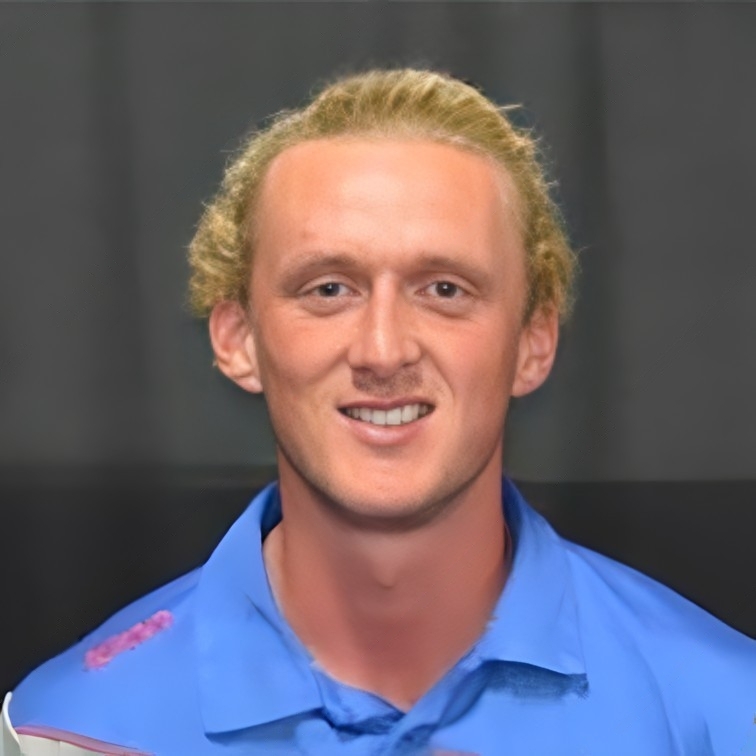

An Aboriginal roboticist who helped inspire the CSIRO's 2026 National Science Week challenge is sharing this journey in science, technology, engineering, and mathematics (STEM) to show young mob they can do it too.
Indigenous Graduate Research Fellow Ted Vanderfeen works with CSIRO's Robotics team in Brisbane, where he develops artificial intelligence (AI) and robotic technologies to help robots navigate challenging and unpredictable outdoor environments.
Mr Vanderfeen undertaking a PhD focused on using generative AI to improve the reliability of robots operating in extreme conditions, from disaster zones to planetary environments.
Before joining CSIRO, Mr Vanderfeen worked at NASA's Jet Propulsion Laboratory in California on prototype under-ice rovers that could one day explore the icy moons of our solar system.
The Palawa man said he is passionate about the ways robots help people solve problems and explore the unknown.
"What I love most about robotics is that it helps us do things that would otherwise be impossible," Mr Vanderfeen said.
"Whether it's exploring another planet, collecting data in remote environments or helping keep people safe in dangerous situations, robots extend human capabilities in remarkable ways.
"We hope CSIRO Robot Responders sparks curiosity and shows young people how STEM skills can be used to solve real-world challenges."
This National Science Week the CSIRO is inviting young Australians to step into the role of a robotics engineer through CSIRO Robot Responders, a hands-on STEM challenge inspired by real-world research.
To support learning in a range of settings, CSIRO Robot Responders combines a new online game with curriculum-aligned educator resources and student workbooks, a community guide, mission scenarios and a collaborative card game, making it easy for schools, families and community groups to take part.
Through the online game and accompanying learning resources participants can design, test and refine robots for some of the world's toughest environments.
From navigating caves and lava tubes to monitoring marine environments and exploring space, young people can discover how STEM helps solve problems in places which are too dangerous or difficult for humans to reach.
Along the way they'll also meet CSIRO roboticists and gain an insight into the people and careers behind these innovations.
CSIRO Education and Outreach Director, Ruth Carr, said initiatives such as CSIRO Robot Responders help make STEM accessible, engaging and relevant while encouraging young people to imagine themselves in future STEM careers.
"We want students from all walks of life to see that the technologies shaping the future are being developed right here in Australia," Ms Carr said.
Every challenge draws on the work of CSIRO robotics researchers and engineers, who develop autonomous and intelligent robotic systems to support industries and communities in demanding environments.
Participants will also discover how robots are helping researchers monitor ecosystems, respond to disasters, work in hazardous locations and support future exploration beyond Earth.
"Hands-on experiences such as CSIRO Robot Responders help connect young people with the people, technologies and opportunities behind these innovations, while building the skills and confidence to explore them for themselves."
National Science Week runs from 15-23 August 2026, with CSIRO Robot Responders available free to schools, families and community groups across Australia.
The first 200 registrants will receive a free CSIRO Publishing book pack. More information is available online.



