




The Brisbane suburb of Tarragindi derives its name from a South Sea Islander man named Tarra Gindi Tasserone, whose story highlights both personal resilience and the broader history of blackbirding in Queensland.
Tarra Gindi Tasserone's Early Life
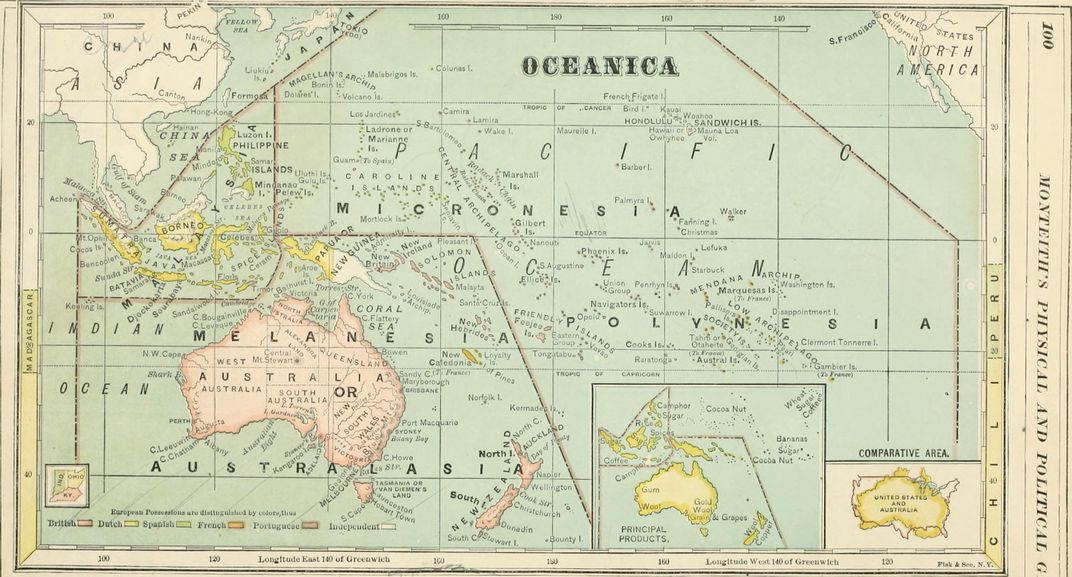
Tarra Gindi Tasserone was born in the Loyalty Islands, a group of islands now part of New Caledonia.
Like many South Sea Islanders during the late 19th century, he was brought to Queensland through the exploitative practice of blackbirding.
This system involved the coercion or outright kidnapping of South Sea Islanders to serve as labourers, primarily on sugarcane plantations.
Tarragindi's journey to Australia reflects this dark chapter of Queensland's history.
Blackbirding Beyond Queensland
Blackbirding was not confined to Australia.
Similar practices occurred in other nations, including Fiji, Hawaii, and Peru, where Pacific Islanders were taken to work in plantations, mines, and other labour-intensive industries.
These forced migrations disrupted communities and caused generational trauma across the Pacific.
Historical records indicate that Tarra Gindi worked on plantations after arriving in Queensland.
However he eventually escaped and found refuge with Alfred Foote in Ipswich.
Mr Foote, a prominent resident of the area, offered Tarra Gindi shelter and employment.
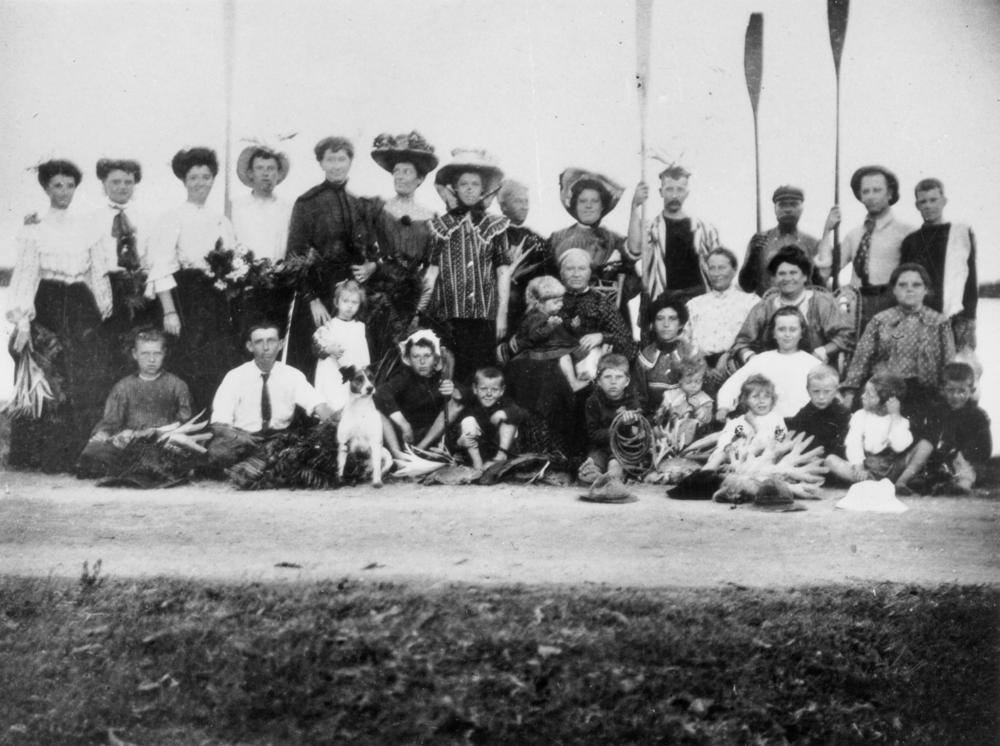
Tarra Gindi went on to work with the Foote family for approximately 25 years, becoming a trusted and respected member of their household.
According to accounts from the Foote family, Tarra Gindi contributed significantly to their operations.
He was described as a faithful and hardworking man who maintained strong ties with the family and community.
Mr Foote's descendants later recalled that Tarra Gindi spoke of his origins in the Loyalty Islands with pride, emphasising his resilience and cultural identity.
The Salvation Army War Cry magazine noted it was in Ipswich where Tarra first encountered the Salvation Army through its open-air ministry, likely due to his association with the Foote family, who supported their work.
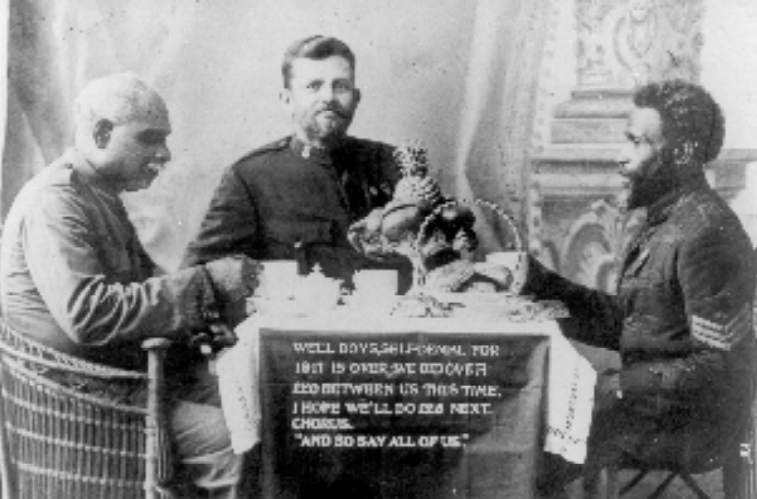
After attending a Good Friday meeting in 1888, he converted to Christianity and became a committed member of the Ipswich Corps, serving as a colour sergeant responsible for the Salvation Army flag.
Naming the Suburb
In addition to his work with the Foote family, Tarra Gindi played a role in land clearing efforts with W.D. and Mrs Grimes.
During this time, he suggested naming the Grimes' house "Tarragindi," reflecting his own name and perhaps preserving a piece of his identity in an unfamiliar land.
The name was eventually adopted for the surrounding area, giving rise to the suburb known today.
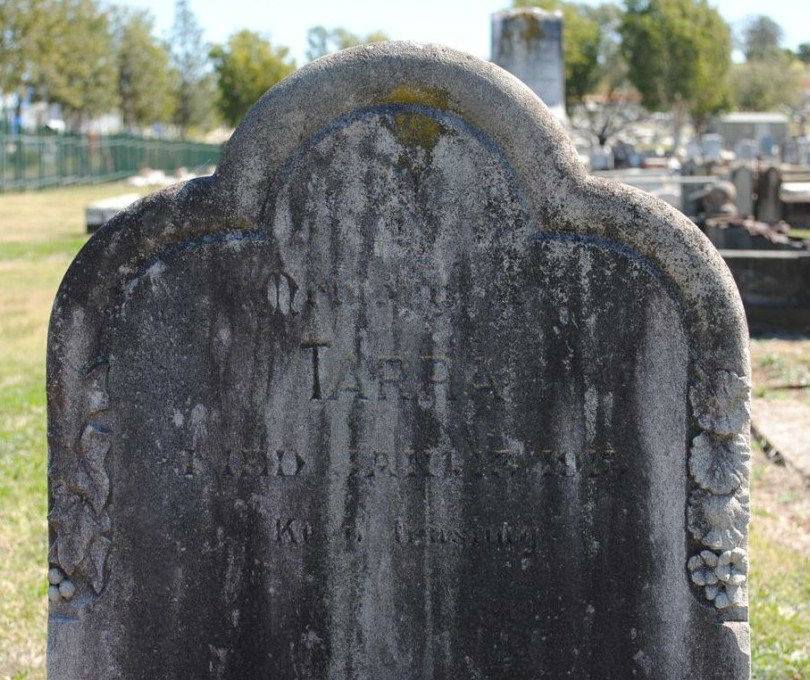
Tarra Gindi Tasserone's story came to an end on 13 January 1913, when he passed away at the age of 63 as a result of a hip injury.
He was buried in Ipswich General Cemetery, leaving behind a legacy intertwined with the history of South Sea Islanders in Queensland.
While no direct voice from Tarra Gindi survive, his actions and the respect he earned from those around him speak volumes about his character.
The Broader History of Blackbirding
The history of Tarragindi is closely tied to the broader story of blackbirding in Queensland.
Between 1863 and 1904, more than 62,000 South Sea Islanders were brought to Queensland, many under deceptive or forceful circumstances.
These labourers faced harsh conditions and significant cultural dislocation, yet their contributions were instrumental to the development of Queensland's sugarcane and agricultural industries.
The State Library of Queensland has noted that the naming of the suburb serves as "a testament to Tarra Gindi's life and his connection to the area".
Tarra Gindi's connection to his cultural roots and his enduring presence in Queensland's history also highlight the importance of recognising South Sea Islander contributions.
Nowdays, South Sea Islanders are acknowledged as a distinct community within Australia, and their heritage is increasingly celebrated.
"Tarra Gindi Tasserone's story is one of strength and survival," a representative from the Australian South Sea Islanders' Historical Association said.
"He represents the thousands of men and women who, despite unimaginable hardships, shaped the foundations of modern Queensland."
The suburb of Tarragindi stands as a living tribute to its namesake, reflecting not only his personal journey but also the shared history of the South Sea Islander community.
As Brisbane grows and evolves, the story of Tarra Gindi Tasserone serves as an enduring reminder of the past, ensuring his name and legacy are never forgotten.



