



The New South Wales Aboriginal Land Council has called on the national Inquiry into racism, hate and violence directed at Aboriginal and Torres Strait Islander people to hold an additional hearing in Sydney to avoid voices going unheard.
The state's land rights peak body says Sydney's inquiry hearing on May 1 failed to reflect the diversity of experiences across NSW, home to the largest population of Indigenous people of any Australian state or territory.
NSWALC said their organisation is "deeply concerned and disappointed" only a single hearing was held in Sydney, where no land council or peak body from the state were invited to speak and give evidence to the committee.
The Australian Council of State School Organisations, National Aboriginal and Torres Strait Islander Principals' Association, the University of Technology Sydney's Centre for Indigenous People and Work and Jumbunna Institute, RSL NSW and Scarred Tree Indigenous Ministries were those who gave evidence on May 1.
South-west Sydney based Gandangara Local Aboriginal Land Council and NSWALC were among those to provide written submissions to the inquiry, along with NSW Aboriginal children and families peak AbSec.
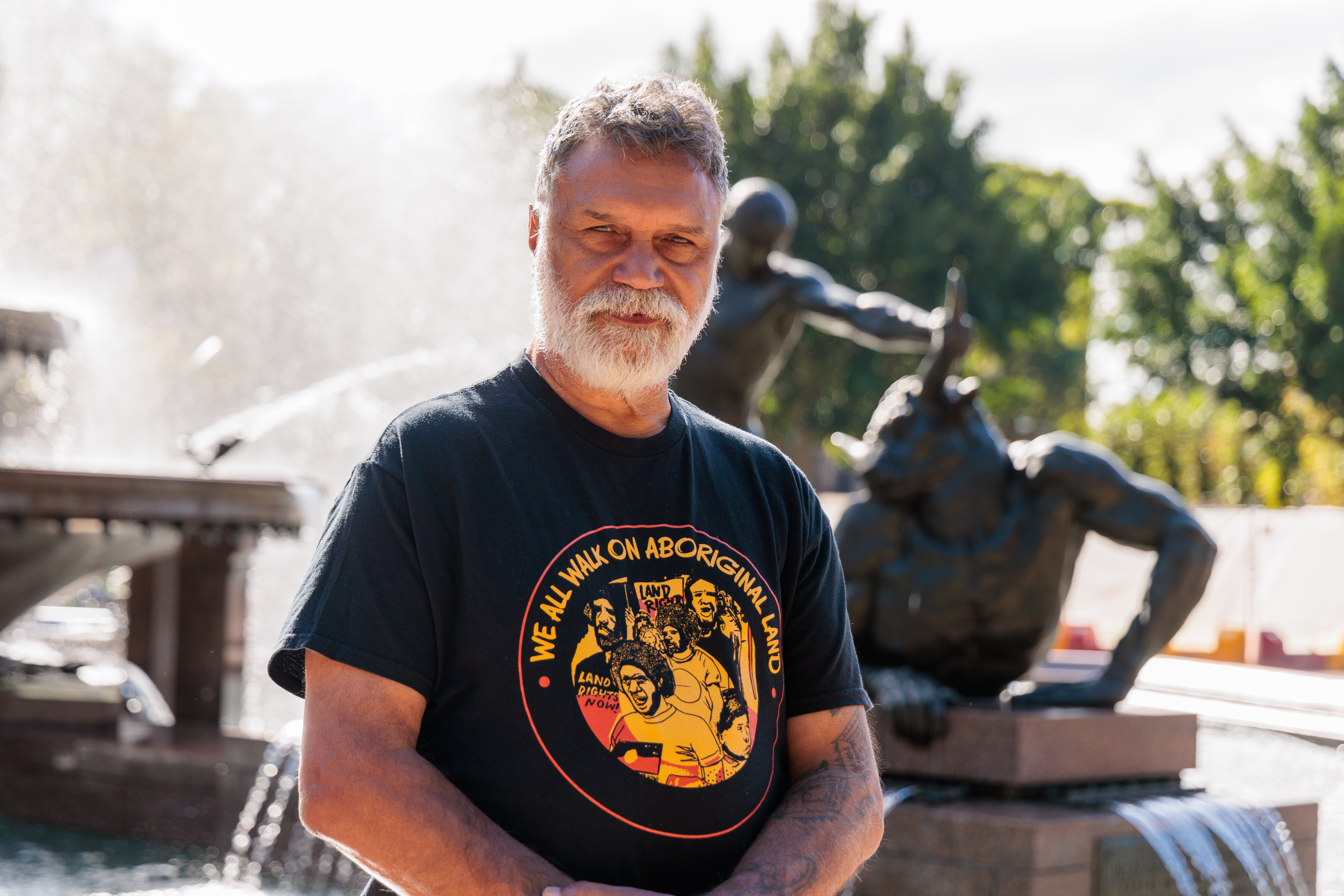
"The experiences of Aboriginal people in NSW must not be minimised or diminished," NSWALC chair Dr Raymond Kelly said.
"While the inquiry has heard from Aboriginal organisations and Land Councils in other jurisdictions, Aboriginal communities in NSW have not been afforded an equal opportunity to speak directly about their experiences of racism, hate and violence.
"We often speak about the importance of recognising that no two mobs are the same. Our cultures, communities and day-to-day experiences differ, and so do our experiences of racism and violence."
Dr Kelly said an inquiry of this significance "must engage equitably with Aboriginal people across the country and ensure that those most directly affected are heard".
Since May, the inquiry has so far held public hearings in Sydney, Adelaide, Canberra, Perth, Darwin, Alice Springs, Brisbane, Cairns and Thursday Island in the Torres Strait.
A single date was set in each location except for Darwin and Cairns.
Peak bodies such as the National Aboriginal Community Controlled Health Organisation (NACCHO) and Central Australian Aboriginal Congress, state and local Indigenous legal and health services, the Human Rights Commission, Reconciliation Australia, Government Departments and National Indigenous Australians Agency (NIAA) have appeared.
NT's Central Land Council spoke in Alice Springs on July 17.
The National Indigenous Times were invited to give evidence in Perth on July 13.
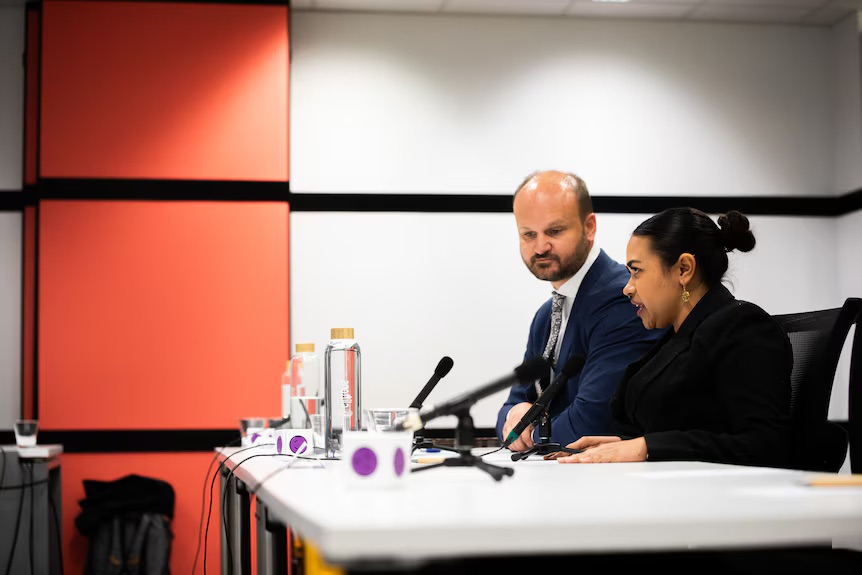
A hearing is being held in Hobart Wednesday, August 5, before a further two in Melbourne before the end of the week.
"Aboriginal organisations in NSW hold extensive knowledge and direct experience of the racism confronting our communities," Dr Kelly said.
"The committee should reconsider its approach and ensure NSW Aboriginal communities have a meaningful opportunity to be heard."
Opportunity for the Inquiry's Committee to 'address the significant gap in NSW representation' remains with these further hearings scheduled, NSWALC said, as well as calling for an additional public hearing in their state.
Aboriginal Land Councils, ACCOs and relevant peak bodies in NSW should be invited to give evidence in this additional hearing, the Council added.
Senator Jana Stewart is chair of the Joint Standing Committee on Aboriginal and Torres Strait Islander Affairs conducting the hearings.
"Senator Stewart thanks NSWALC and all organisations that have contributed to this inquiry," a spokesperson for Senator Stewart told National Indigenous Times.
"The Committee has undertaken an extensive program of engagement across Australia to hear directly from Aboriginal and Torres Strait Islander people about their experiences of racism, hate and violence.
"Decisions about hearing locations, hearing programs and witnesses are matters for the Committee."
In addition to evidence given at hearings, close to 700 submissions have been made to the inquiry.
"Together with evidence received through public hearings and site visits, these submissions form a substantial body of evidence before the Committee and will inform its final report and recommendations," the spokesperson said.
National Indigenous Times had asked if an additional hearing in Sydney or NSW would be considered.



