




Australia's leading Aboriginal-owned national news organisation receives "racist, abusive and threatening comments" daily, staff have told a parliamentary inquiry into racism towards First Peoples.
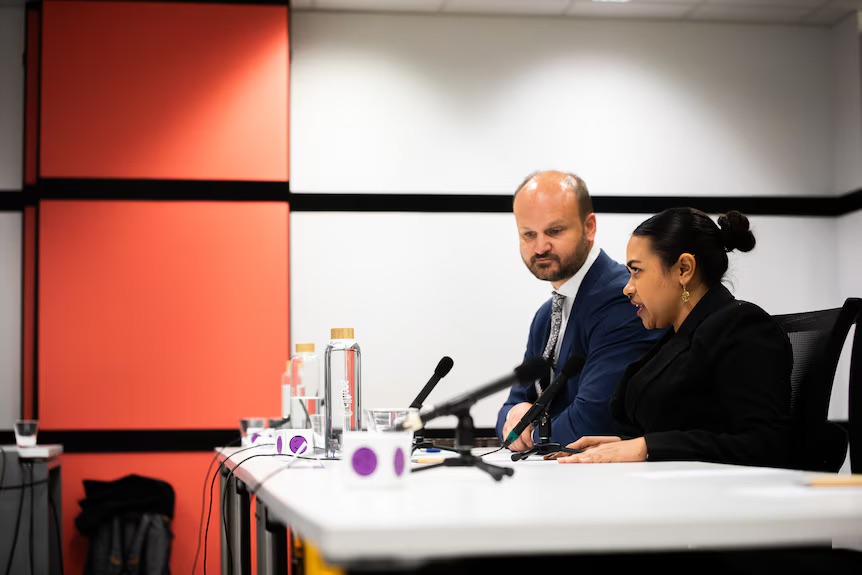
Appearing before the Senate inquiry into Racism, Hate and Violence Directed at Aboriginal and Torres Strait Islander Peoples, Reece Harley, the Managing Director of the National Indigenous Times Group — publisher of this masthead — said racism is "shrinking the space in which Aboriginal people are willing to speak publicly", arguing it serves its purpose: to silence First Peoples.
"Every day our platforms receive racist, abusive and threatening comments. The deluge follows a pattern. It is heaviest when we report on Australia Day, on the Stolen Generations, on Indigenous languages and dual naming, or when a person is interviewed and they're fair-skinned," Mr Harley told the inquiry.
"Commenters deny people's Aboriginality, demand to know percentages, mock their families and question their right to speak. On some stories, the racism outnumbers every other kind of comment in the thread."
Mr Harley noted the targets of racism are often those featured in the reporting, who have to face the blowback of living their identity publicly.
"Elders who survived the Stolen Generations share their history, then spend the rest of the day reading the comments calling them liars," he said.
"A young business owner appears in our pages and spends the following week defending her identity to strangers. People see what follows publication, and some don't doubt keep their heads down rather than cop the abuse themselves."
'Fighting a losing battle' against online abuse
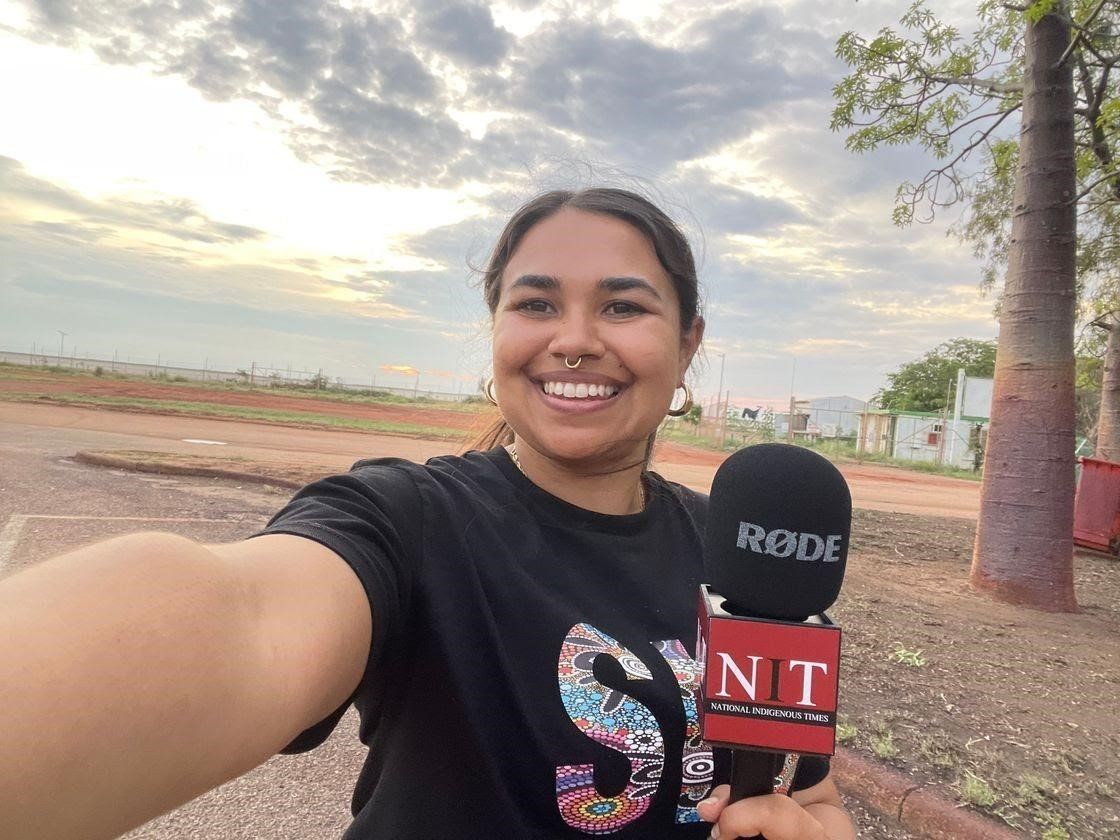
Appearing alongside Mr Harley, National Indigenous Times Group's Social Media and Marketing Officer Leanne Djilandi Dolby told the inquiry of a typical day in her role, dealing with and filtering through an inundation of racism across the organisation's social media platforms.
"I log into social media, delete comments and despite the hundreds of comments I delete and the accounts I block, I often refresh the page and I am flooded with comments that tell us that Aboriginal people deserve to die, that racial discrimination is justified," the Noongar Yamatji Naaguja Nanda nyarlu (woman) said.
"It is our understanding that Meta does not have any local content moderation staff to support the ever-growing hate that is spewed into our comments. As our technology advances, so does newer avenues of racial discrimination; we do not have reforms that rectify the hate we see on our platforms. It feels like I am fighting a losing battle."
Mr Harley agreed, arguing some social media platforms were worsening the problem.
"Their reporting mechanisms are slow, and there is no meaningful engagement with major media organisations like ours," he said. "The burden of protection, therefore, lands on us, a small Aboriginal-owned company, and on Aboriginal staff like Leanne. While tech giants profit from the engagement that this hatred generates."
On social media's role in amplifying racial abuse, he did not hold back.
"It's the business model," he said. "There is a commercial embedded incentive for these social media giants to not just allow [racial abuse], but actually to encourage people to say whatever they want."
Both Mr Harley and Ms Dolby highlighted the horrific level of abuse, with comments attacking the skin colour of children and actively celebrating the death of people in custody a regular occurrence on National Indigenous Times' social media channels.
"Often I see an increase in all types of comments, specifically around days such as Invasion Day, NAIDOC Week, or when there is a high-profile case...where a First Nations person has been affected, or is a victim of crime," Ms Dolby said.
"We often see a lot of influx of comments justifying the racism that this person has experienced, or if they have passed, we often see a lot of those comments as well."
Asked about whether the company had noticed an increase in racism, Mr Harley said that although they didn't actively document the number of racist comments, there had been a marked increase since the Voice Referendum.
"We hear it everywhere that we go, everyone that we speak to," he said.
"They feel a sense that post the referendum, the lessons that people have taken from the referendum is that it's okay to be racist in Australia. It's okay to not care about Aboriginal Australia. It's okay to say whatever you want because we went to a referendum and we won."
The federal government established the inquiry to examine the continued racism, hate and violence directed at Aboriginal and Torres Strait Islander peoples and identify practical responses across workplaces, institutions and the broader community after a series of high-profile racist incidents, including the alleged terror attack in Boorloo on January 26, the alleged attacks on Camp Sovereignty by neo-Nazis last year, and the booing of Elders delivering a Welcome to Country on Anzac Day.
Chaired by Mutthi Mutthi and Wamba Wamba woman Senator Jana Stewart, the inquiry has received hundreds of submissions from government agencies, academics, legal groups and Indigenous organisations highlighting the toll racism has taken on First Peoples across a wide range of platforms.
Ms Dolby told the inquiry she was at the Boorloo rally when the alleged terror attack took place. Thirty-two-year-old Liam Alexander Hall has been charged with terror offences — the first in Western Australia's history.
She claimed she was "heavy-handedly" pushed by a police officer while covering the rally for National Indigenous Times, while other journalists "stood on the sidelines actively covering the event".
"The police did not see me as a member of the media, but just as an Aboriginal woman with a camera," she said.
"A big six-foot police officer towered over me and intimidated me and kept getting closer to me while I had the camera and he laughed in my face.
"I looked up at the second floor to see the police standing there kindly beckoning Liam Alexander Hall into the police wagon, all while the sea of Aboriginal and non-Indigenous bodies were met with violence downstairs."
Ms Dolby said the event, and the police's response — which was heavily criticised by Elders and some Indigenous community leaders in the wake of the alleged attack — left her fearing that "one day I will die at the hands of a racist while I am working".
Governments, digital platforms and institutions "all have a responsibility to do more to address racism directed at Aboriginal and Torres Strait Islander people," she argued.
"Racism has real impacts on people's safety, health, mental wellbeing and opportunities and addressing it requires sustained action, not only during moments of public attention, but every day."
Calls for stronger action on online racism
Mr Harley asked the committee to consider calling for the introduction of enforceable obligations for social media platforms to remove bots and repeatedly racist or abusive accounts, strengthening the eSafety Commissioner's powers to respond to online racial hatred targeting groups, and providing greater federal funding for Indigenous media organisations.
Despite National Indigenous Times Group's national platform, he argued the company receives insufficient ongoing support to "resource our newsroom and our moderation work".
"Racism online is organised, and it is escalating," Mr Harley said. "We see it first, and we deal with it daily, and we will keep publishing regardless of the toll that it does take."
For Ms Dolby, her comments highlighted the experience of First Peoples, both in reporting and consuming the news.
"It goes back to the simple fact that the Australian dream is the blackfella nightmare," she said.



