


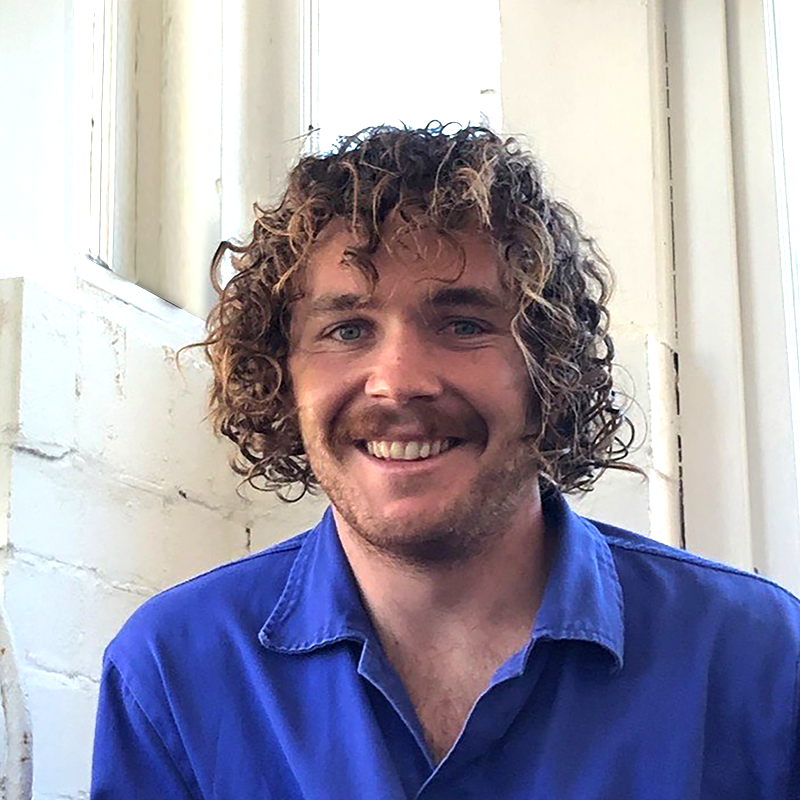

Women's healing, legal, health and family violence organisation leaders are among those appointed to the board of the national peak for First Nations prevention of family, domestic and sexual violence.
Our Ways Strong Together, established by the federal government and Coalition of Peaks in March, elected its inaugural board at its first annual general meeting on this week.
Board members come from across bodies working across sectors, with six of Australia's eight states and territories represented.
It marks what's described as a transition from the peak's establishment to member-led government phase.
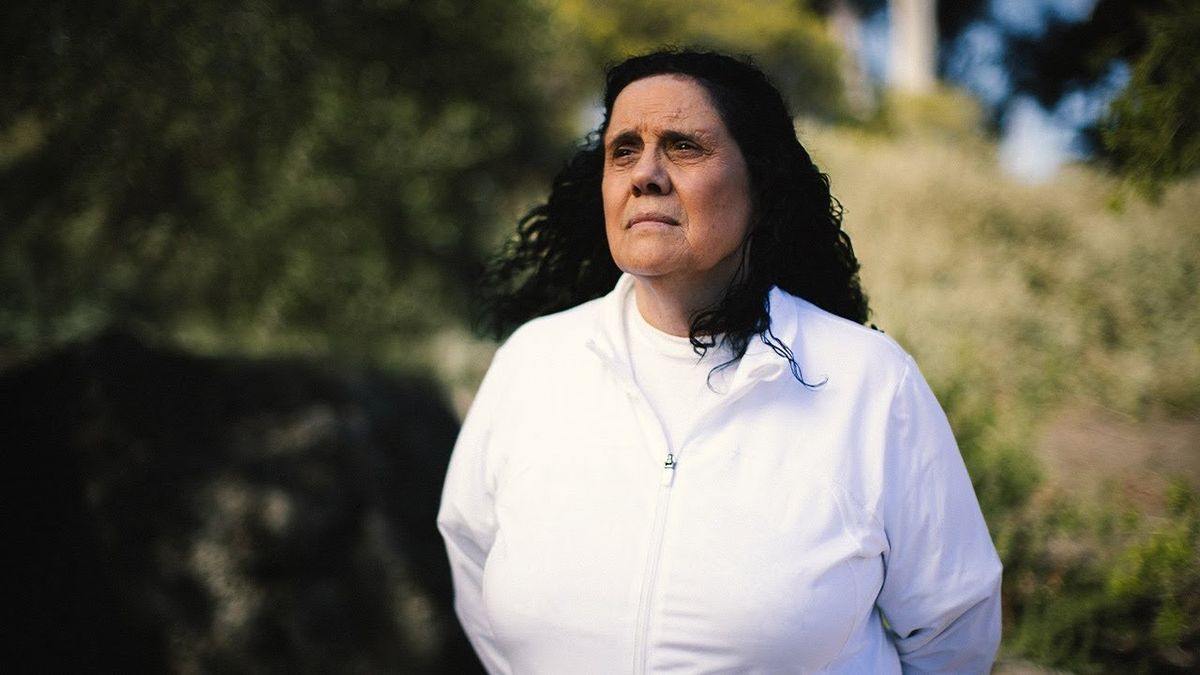
Torres Strait Islander women Donnella Mill led as interim board chair from earlier this year.
"When we began, Our Ways Strong Together was a vision Aboriginal and Torres Strait Islander leaders had carried for more than 30 years," she said.
"Today we have 74 member organisations, a Constitution, a growing team and a voice at the national table. It has been a privilege to build these foundations alongside Aunty Muriel, Wynetta and Lisa, and I thank every member for the trust they have placed in us."
Elected board members include:
- Aunty Muriel Bamblett from the Victorian Aboriginal Child and Community Agency Co-operative (Victoria)
- Regina Bennett from Darwin Aboriginal and Islander Women's Shelter Indigenous Corporation (Northern Territory)
- Jane Bieundurry, Kimberley Aboriginal Law and Cultural Centre (Western Australia)
- Racheal Dungay from Ngarra Aboriginal Corporation (NSW)
- Penney Ferguson from First Nations Women's Legal Services Qld Inc (Queensland)
- Mark Munnich from the Aboriginal Health and Medical Research Council of New South Wales (NSW)
- Craig Rigney from Kornar Winmil Yunti Aboriginal Corporation (South Australia)
Aunty Muriel, Queensland Indigenous Family Violence Legal Servic chief executive Wynetta Dewis and Coalition of Peaks' Lisa Charles were involved in early governance.
"Our success will not be measured by the size of Our Ways Strong Together," Ms Mills added.
"It will be measured by the strength of the sector, the influence of community-controlled expertise, and whether more families and communities are safe, free from violence, and able to thrive."
Two months ago the peak's membership was nearing 50 organisations.
Out Ways Strong Together chief executive chief executive Olga Hanven said the shift to member-led operation is "community control in practice".
"For more than 30 years, Aboriginal and Torres Strait Islander leaders and organisations have called for a national voice on family safety that is owned and led by community-controlled organisations," Ms Hanven said.
"Electing our inaugural board is an important step on that journey. I look forward to working with the board to make sure the knowledge and experiences of our members shapes national policy and funding decisions."
Target 13 of the National Agreement on Closing the Gap aims to reduce the rate of "all forms of family violence and abuse against Aboriginal and Torres Strait Islander women and children" by at least 50 per cent, with the larger aim of reaching zero, by 2031.
Per 2026's Closing the Gap report, there is no new data available since 2018-19, the baseline year, due to factors including "concerns with how the data was collected and the potential risk of harm this data collection caused for participants' despite acknowledgement 'family violence is a significant issue in Australia, particularly for Aboriginal and Torres Strait Islander women and children".
In March, federal Minister for Indigenous Australians Malarndirri McCarthy said the peak "represents the community-controlled organisations and services who have been working to support survivors over many years".
1800 RESPECT (1800 737 732)
Lifeline 13 11 14
Men's Referral Service 1300 766 491
13YARN 13 92 76



