




In the face of a scourge of violence that sees First Nations women experience violence at overwhelmingly disproportionate rates, a new peak body, bringing together the perspectives of Aboriginal community-controlled organisations (ACCOs), has been launched.
First Nations women are seven times more likely to be victims of intimate partner homicide and 27 times more likely to be hospitalised due to family violence than non-Indigenous women. In regional and very remote areas, that figure rises to 41 times more likely.
Since 1989, about 500 First Nations women have been killed — most by someone they knew.
Social Services Minister Tanya Plibersek says the figures are unacceptable, stating the federal government "recognises we must turn that around".
View this post on Instagram
The new body, Our Ways Strong Together, will be launched on Wednesday by the Coalition of Peaks and the federal government. It will be led by Western Arrernte woman Olga Havnen, former CEO of Danila Dilba Health Service in Darwin, and will bring together specialist services, peak organisations and the broader Aboriginal community-controlled sector.
Interim Chair Donnella Mills — also the Chair of the National Aboriginal Community Controlled Health Organisation (NACCHO) — says ACCOs are trusted, place-based organisations designed by and for Indigenous people. As such, "they succeed because they are grounded in culture, local knowledge and accountability to our communities," she argues.
The launch comes more than 18 months after the landmark Senate inquiry into missing and murdered First Nations women and children, and builds on decades of advocacy from Aboriginal and Torres Strait Islander communities.
The peak body will work with governments and services to strengthen the national response to family, domestic and sexual violence.
"Our Ways Strong Together is built from community, for community," Ms Mills said. "Today, we unite their voices at a national level. This peak body is about strength, culture and healing. It's about ensuring our communities have the integrated support they need to keep families and communities safe."
The interim board includes Ms Mills, Muriel Bamblett, CEO of the Victorian Aboriginal Child Care Agency (VACCA) and Chair of SNAICC; Lisa Charles from the Coalition of Peaks Secretariat; and Wynetta Dewis, CEO of the Queensland Indigenous Family Violence Legal Service.
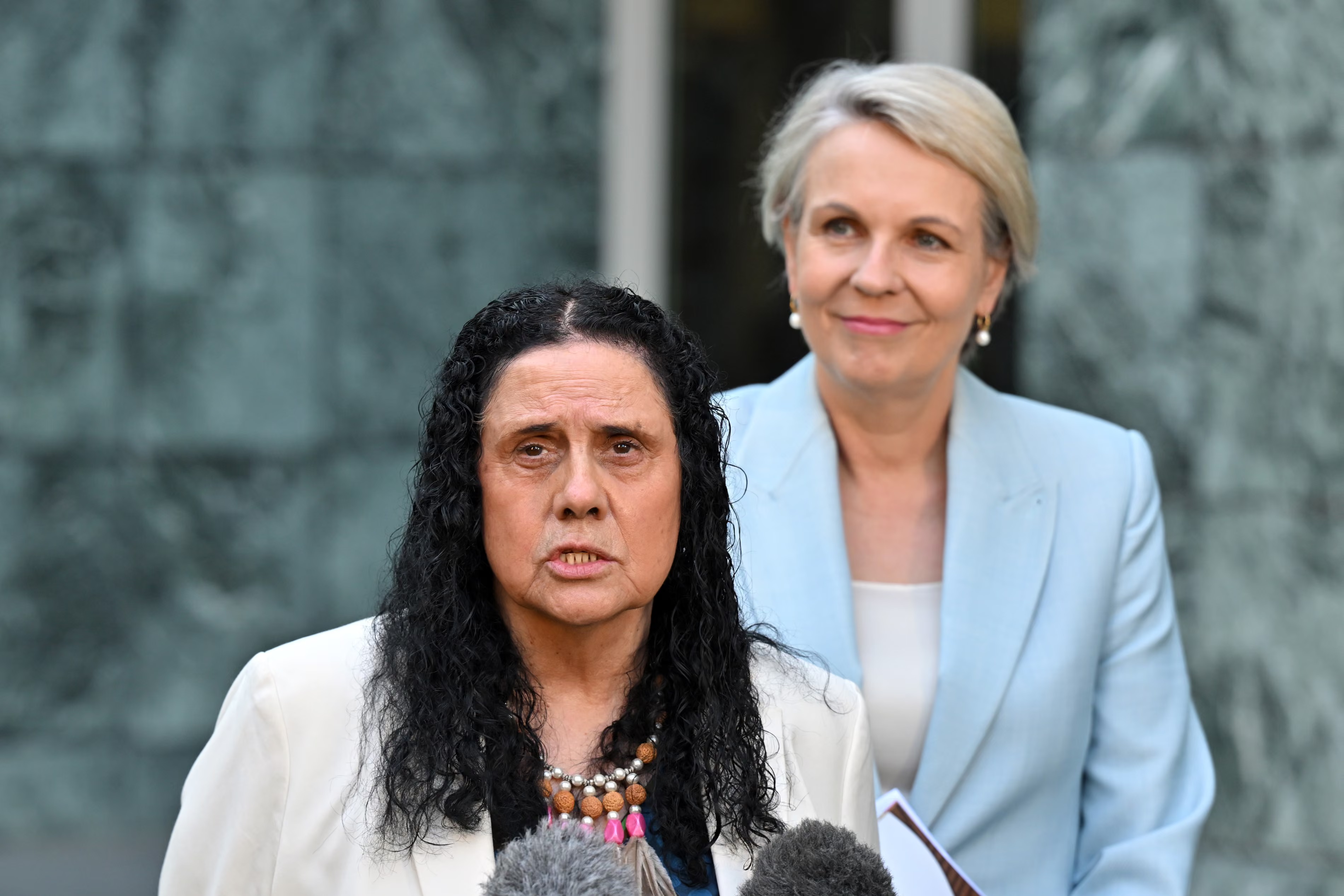
Ms Bamblett said family, domestic and sexual violence affects entire communities and requires a coordinated response.
"Our communities and community-controlled services know what works," she argued. With the right support, community-led solutions can support families and communities to create lasting change."
Ms Bamblett — the 2024 NAIDOC Person of the Year — says the new body would focus on tackling the root causes of violence, including trauma, poverty, homelessness and inequality.
"Again," she said, "we are showing leadership to address the harmful effects of family, domestic and sexual violence in our communities."
The launch follows a federal funding commitment of more than $200 million for the national plan, Our Ways - Strong Ways - Our Voices: National Aboriginal and Torres Strait Islander Plan to End Family, Domestic and Sexual Violence 2026-2036.
Ms Plibersek said the new peak body would play a key role in supporting organisations across the country.
"Our Ways Strong Together will represent and support Aboriginal and Torres Strait Islander community-controlled organisations working on family, domestic and sexual violence across the country," she said. "I look forward to seeing the incredible work they will accomplish."
Minister for Indigenous Australians Malarndirri McCarthy said the body recognises the long-standing work of community organisations.
"Strengthening the community-controlled sector is an important part of the National Agreement on Closing the Gap, as all governments work with communities to end family, domestic and sexual violence," she said.
Ms Mills argued the organisation's foundation comes directly from community.
"We are now inviting Aboriginal community-controlled organisations to join us," she says, "so we can build a stronger, more connected sector together."
1800 RESPECT (1800 737 732)
Lifeline 13 11 14
Men's Referral Service 1300 766 491
13YARN 13 92 76



