




The federal government has announced more than $200 million in funding as part of a national plan to address high rates of violence against Aboriginal and Torres Strait Islander women and children.
Launched on Tuesday, Our Ways - Strong Ways - Our Voices: National Aboriginal and Torres Strait Islander Plan to End Family, Domestic and Sexual Violence 2026-2036 was developed in partnership with Aboriginal and Torres Strait Islander peoples and state and territory governments.
Coming almost 18 months after the landmark Senate inquiry into missing and murdered First Nations women and children, the government describes it as a dedicated national strategy to tackle domestic and family violence affecting First Nations women and children.
It will operate alongside the National Plan to End Violence against Women and Children, and will see $218.3 million over four years committed to establish up to 40 Aboriginal Community-Controlled Organisations (ACCOs) to deliver specialist, community-led services.
A steering committee of Indigenous leaders said the plan "will be our commitment to honour the testimony of Aboriginal and Torres Strait Islander peoples around the country who told us what they need".
"We listened to women and children. We listened to Elders, young people and men. We listened to Aboriginal and Torres Strait Islander community-controlled organisations and non-Indigenous organisations that support Aboriginal and Torres Strait Islander families and communities," the committee said.
"We listened to governments who want to end gender-based violence through better investments and genuine and formal partnerships."
Listening to First Peoples
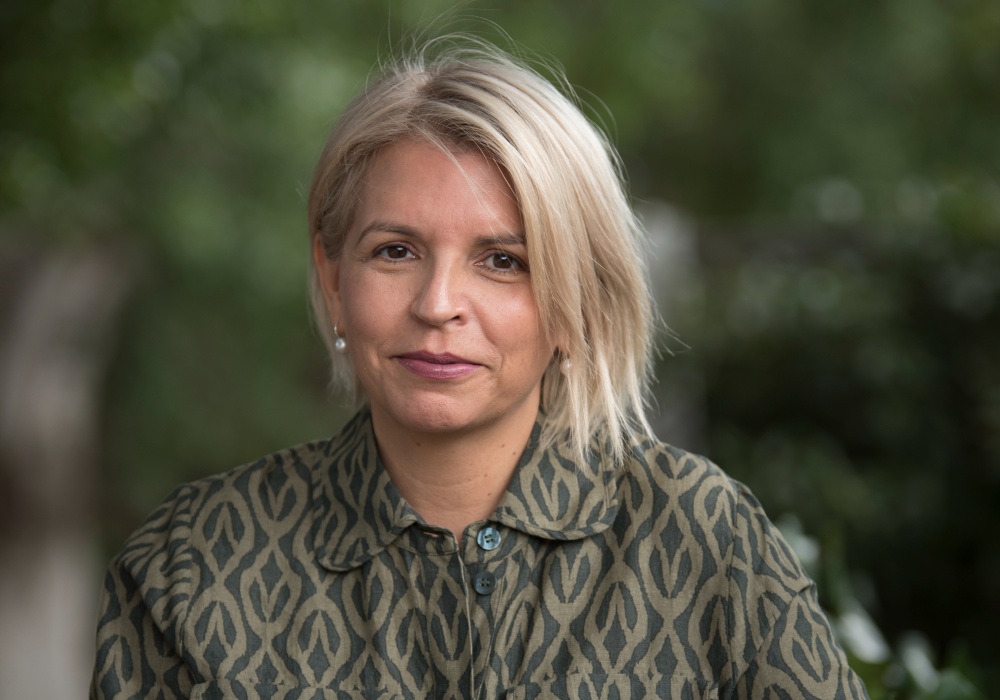
Steering committee member, Associate Professor from Curtin Law School, Dr Hannah McGlade, said the "historic" plan came about through "Aboriginal women's own advocacy and leadership" — including at the United Nations.
Labelling it "hard fought for", Dr McGlade told National Indigenous Times the plan is "unique".
"Because, it really does promote and recognise Aboriginal women, Aboriginal people's voice, self-determination and agency, as well as Aboriginal-led solutions," she said.
Data shows Indigenous women are seven times more likely to be victims of intimate partner homicide and 27 times more likely to be hospitalised due to family violence than non-Indigenous women, rising to 41 times more likely in regional and very remote areas.
Social Services Minister Tanya Plibersek described the launch as a "historic day", saying the plan builds on years of advocacy by Indigenous communities and survivors.
"For the first time, Australia has a dedicated national plan to address the unique needs and barriers Aboriginal and Torres Strait Islander women and children face in accessing support," she said.
"This plan is our shared commitment to work together to make sure all communities, from Redfern to Alice Springs, are safe and strong."
Funding will support crisis response mobile teams, assistance for those leaving violent situations, ongoing support after separation, therapeutic services, and behaviour change and outreach programs for men and boys.
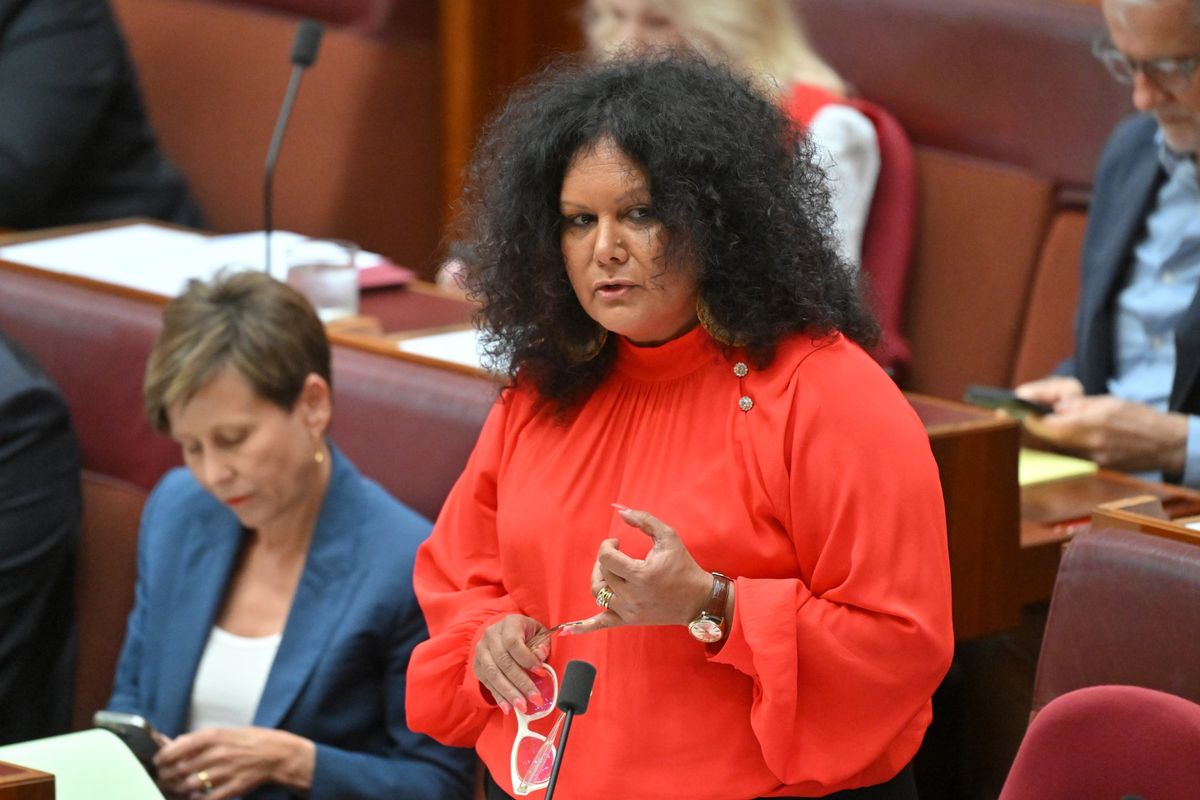
Minister for Indigenous Australians Malarnidirri McCarthy said the plan "delivers on a long-held call by First Nations women and the community sector for a standalone action plan that recognises the specific needs of First Nations families".
"Delivering Our Ways builds on our work to end gender-based violence and is a significant step toward realising better outcomes for First Nations women and children across the country," she said.
Priority areas
The plan is organised around five linked priorities. It emphasises Indigenous voice, agency and self-determination, with decisions guided by community leadership and knowledge, and supports strengths-based, culturally grounded and healing approaches led by First Nations organisations.
It also seeks reform across systems that influence safety — including justice, health, housing, education, disability, family services and child protection — while strengthening evidence, research and data practices through Indigenous Data Sovereignty to ensure information remains ethical and community-controlled. Improving housing stability and financial security is also identified as essential to breaking cycles of violence.
"We recognise that violence against Aboriginal and Torres Strait Islander women and children requires a response that is culturally safe, trauma-informed and enables self-determination for community-led solutions," a government statement in the report reads.
"When services are designed by those who understand local realities — the kinship systems, cultures and connection to Country — safety and healing are more likely to endure."
Dr McGlade says it is vital that communities begin to see the reforming of institutions and systems that impact women's safety.
"We want to see strengthening of evidence and research, and we want to break cycles of harm through strengthening housing and financial security. Those are some of the essential aspects of the plan... these are very important for Aboriginal people," she said.
"We consulted widely to develop this plan, and our responses are based on the voices of Aboriginal women communities and sector representatives throughout Australia."
Additional reporting by Giovanni Torre
1800 RESPECT (1800 737 732)
Lifeline 13 11 14
Men's Referral Service 1300 766 491
13YARN 13 92 76



