




A landmark senate inquiry into missing and murdered First Nations women and children has called for a review of policing practices, as well as a First Nations role at the Domestic, Family and Sexual Violence Commission and changes to the way the media reports on First Nations deaths.
The recommendations are based on hearings held across the country over the last 18 months, which heard testimony from experts, survivors, and countless people directly impacted by racism, sexism and misogyny in seeking justice for their loved ones.
In a statement, the committee said they were "humbled and indebted to the families who relived their experiences and discussed the abuse, violence and trauma they have suffered," noting that "for many First Nations women and children who have been murdered or disappeared, there has been little, if any, justice".
Senator Paul Scarr said that in "too many" instances, perpetrators got away with abhorrent violence.
"What happened to these women and children is reprehensible. Often it was predictable and preventable. And it continues to happen," he said.
.jpg)
The inquiry followed a 2022 Four Corners investigation into the deaths of Indigenous women, as well as a recent coronial inquest into the deaths of four Aboriginal women in the Northern Territory at the hands of their partners.
At least 315 First Nations women have been murdered or died in suspicious circumstances since 2000, and the inquiry received 87 submissions and held hearings across five states and territories.
The findings come only weeks after the latest Closing the Gap report revealed official data on violence against Aboriginal women and children hadn't been updated in six years, described by Djirra chief executive Antoinette Braybrook as "completely outrageous."
The report highlighted the concerns around policing by many who appeared before the inquiry, including discriminatory and racist attitudes towards First Nations people and inadequate responses to reports of domestic violence from First Nations women.
Instances include the findings of a coronial inquest into the deaths of Indigenous children Jacinta Rose and Mona Lisa Smith, which found an "inexplicably" deficient police investigation was due in part to racial bias, and reports from the Yoorrook Justice Commission of First Nations women calling the police after suffering domestic violence, only to be identified as a perpetrator.
It recommended the Attorney-General tasks the Police Ministers Council to "conduct a review of existing police practices in each jurisdiction, consider the learnings from each jurisdiction and aim to implement and harmonise best police practices across Australia" by the end of next year.
National Network advocates Debbie Kilroy and Tabitha Lean said the Senate Inquiry "missed a critical opportunity for this nation to confront the grim reality of violence perpetrated against Indigenous women and children, as well as demanding justice for every disappeared and murdered Indigenous women and their family".
"From its outset, the inquiry was problematic and flawed, not the least because it was conducted by a colonial institution which has exacted significant harm on Indigenous people," they said in a joint statement.
In a submission, journalist and Darumbal and South Sea Islander woman, Dr Amy McQuire, along with Sisters Inside and the Institute for Collaborative Race Research argued that Indigenous women, girls, and gender diverse people are never actually "missing", as that is nothing more than a passive adjective that implies that people choose to vanish.
"Aboriginal women don't just go missing; someone makes them disappear," Professor Chelsea Watego told the inquiry.
Other recommendations in the report include culturally appropriate and nationally significant recognition and remembrance of murdered and disappeared First Nations women and children; the appointment of a First Nations person at the Domestic, Family and Sexual Violence Commission with responsibility for advocating on behalf of and addressing violence against First Nations women and children; and the development and implementation of a sustainable funding mechanism to provide ongoing support services for First Nations people, including women and children, experiencing domestic, family and sexual violence.
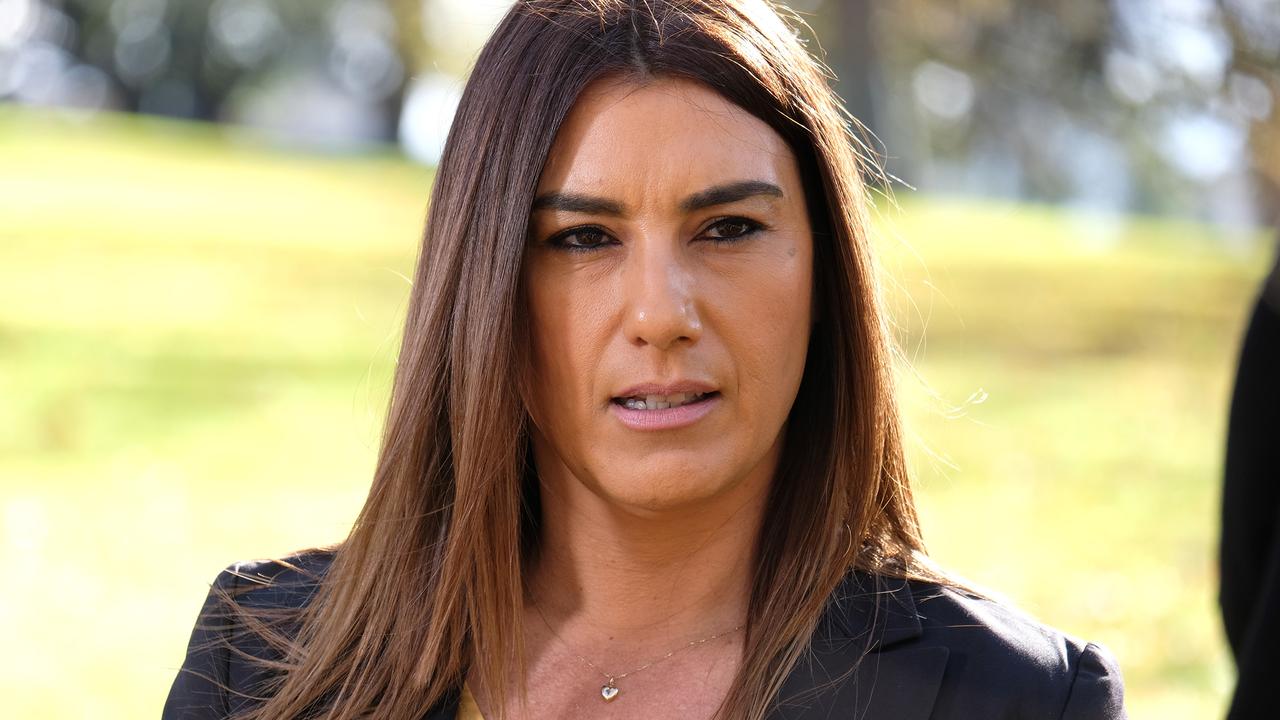
Furthermore, the report recommended the Australian Press Council "considers and reflects" on evidence from the inquiry, with regard to how the media portrays cases of murdered and disappeared First Nations women and children.
These include consideration of additional Australian Press Council Standards or Advisory Guidelines or amendment of the existing Standards and Advisory Guidelines.
During her appearance at the inquiry, WA's youth commissioner, Jacqueline McGowan-Jones highlighted the difference in media attention between a non-Indigenous child disappearing, and an Indigenous child disappearing, arguing that for an Indigenous child "the media portrays it in a racist way".
Dr McQuire submitted to the inquiry that the practice of mainstream media of reiterating - without question - the information provided by police compromised both the outcomes and the quality of the investigations and outcomes.
Senator Cox was critical of aspects of the report that were left out and didn't go far enough, arguing a "glaring omission" was a recommendation urgently calling for an improvement in data collection about missing and murdered women and children.
"Much has been written about the harrowing nature of the stories heard during the inquiry, and it's important that we hear about the suffering. It's our job to stop the suffering," she said.
"But it won't happen until we get frontline government services to care, and sometimes the message that we get is some people don't care."
Independent Senator Lidia Thorpe said that whilst there was some good recommendations that came out of the inquiry, "the overall failure to name and address within the actual recommendations the role of colonisation, white supremacy, and the ongoing genocide falls short of truth-telling, justice, healing, and does a disservice to those who participated in this inquiry".
13YARN 13 92 76
Aboriginal Counselling Services 0410 539 905



