




A Senate inquiry into missing Aboriginal women and children will be tabled in the senate on Thursday, after two years of traumatic testimony from experts, survivors, and countless people directly impacted by racism, sexism, and misogyny in seeking justice for their loved ones.
At least 315 First Nations women have been murdered, died in suspicious circumstances or gone missing since 2000, and the inquiry received 87 submissions and has held hearings across five states and territories.
It followed a 2022 Four Corners investigation into the deaths of Indigenous women, as well as a recent coronial inquest into the deaths of four Aboriginal women in the NT at the hands of their partners.
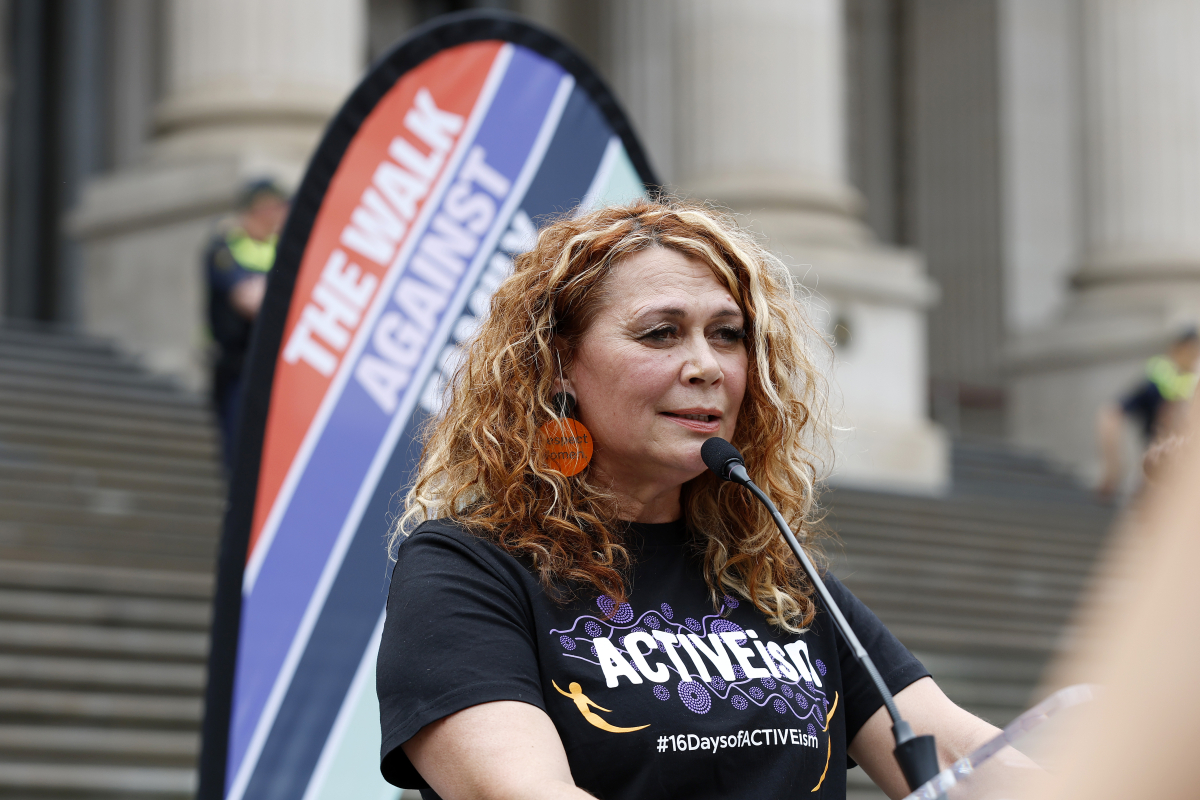
Antoinette Braybrook, chief executive of Aboriginal family violence prevention service Djirra, said the countless statements, appearances and testimonies at the inquiry varied greatly, but the underlying message was the same: "Our women and our children are not safe."
"Reports about the harm, disappearance, or killing of our women and children are too often dismissed or not taken seriously by police and other investigating bodies," Ms Braybrook told National Indigenous Times.
"System violence is often just as dangerous as the male violence."
Data
Despite representing only 3.8 per cent of the population, Aboriginal and Torres Strait Islander people make up 20 per cent of homicide victims in Australia—almost a fifth of those are children. First Nations women are 33 times more likely to be hospitalised than non-Indigenous women due to family violence and eight times more likely to die due to assault.
However, in the latest closing the gap report it was revealed official data on violence against Aboriginal women and children hadn't been updated in six years.
"Would we be so willing to accept this complete lack of accountability and such outdated data about the safety of other women and children?" Ms Braybrook asked.
"This failure by governments to take even the most basic accountability for the safety of our women and children is completely outrageous. You cannot manage what you do not measure, and it tells us we have so much more to do."
Yeena Thompson, a Gamilaraay Yinarr from Moree, said she believed the lack of data was deliberate.
"It just goes to show that they don't want to show the rest of the world how bad and how systemic the racism and discrimination is against Aboriginal people here," she said.
Highlighting numbers from Victoria specifically, Ms Braybrook said Aboriginal women are 45 times more likely to experience family violence – perpetrated by men from all backgrounds – than other women; 69 times more likely to experience a head injury while being assaulted; and 10 times more likely to be killed by someone who says they love you.
"These numbers do not include the 90 per cent of instances of family violence against our women that are unreported, or the deaths and disappearances that are not properly investigated by police and other services," Ms Braybrook said.
The Police
The epidemic of violence has reached crisis levels, according to director and principal solicitor of Violet Co Legal & Consulting, Karen Iles, who has called for police accountability, arguing that coming from an employment law background, it should be looked at through a risk assessment lens.
"You need to eliminate the hazard. Police are the hazard to our people. Police are the hazard to our mental health and wellbeing," she said.
Calling for an investigative model like Northern Ireland, to avoid police internal investigations for misconduct - as is the case in Australia, she told the inquiry: "You won't find many people who think police investigating police is a great idea. You just won't. It doesn't pass the pub test."
At the recent Yoorrook Justice Commission hearings, Aboriginal legal groups highlighted stories of Aboriginal women reporting domestic violence to the police, only to see themselves being arrested as the perpetrators.
Earlier this year Queensland's deputy state coroner said it "may never be known" how 36-year-old Brisbane mother Constance Watcho died. She had been missing for 10 months, and when her family reported her missing in 2018, police marked her case as "medium risk".
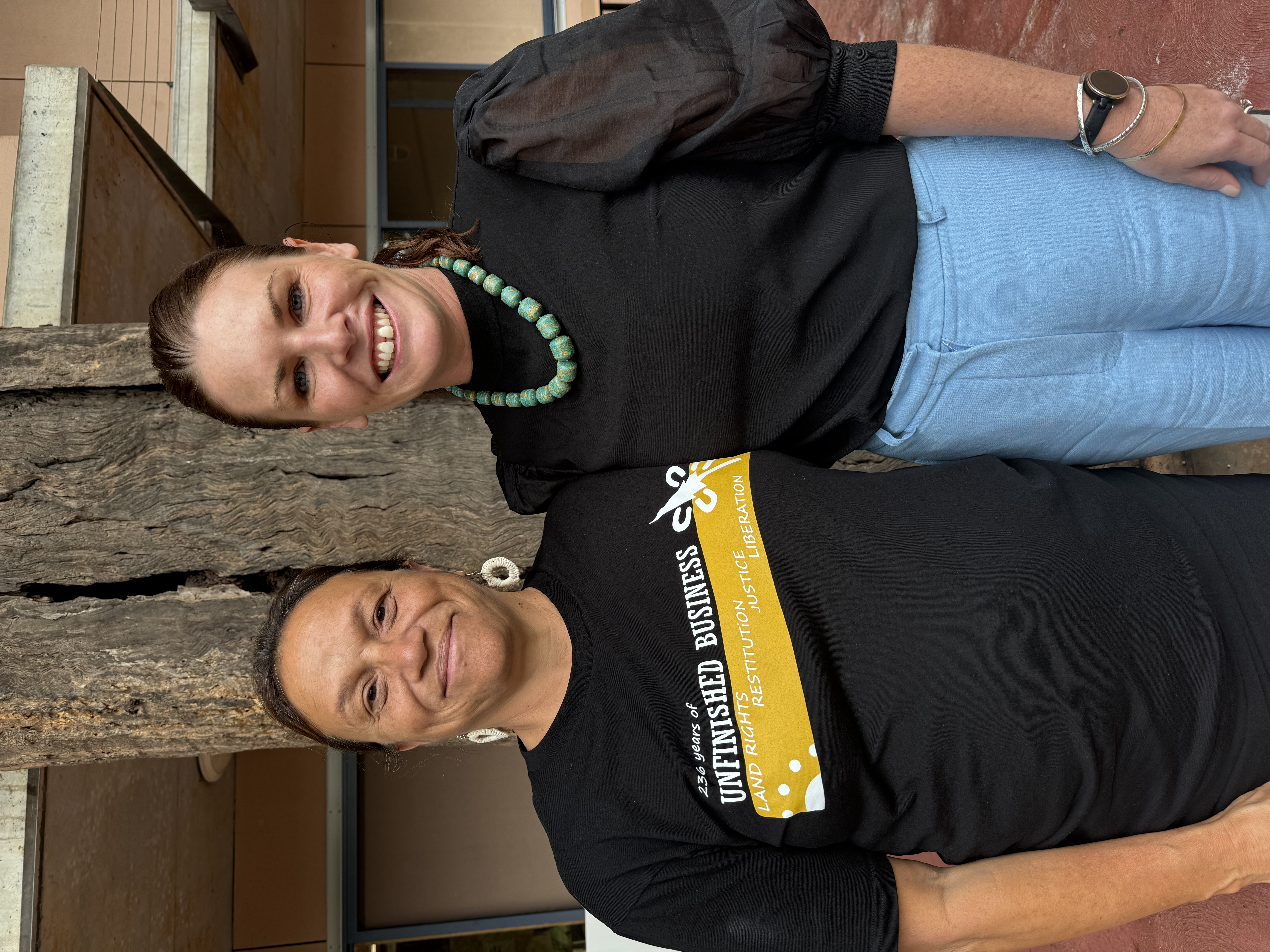
Yeena Thompson told National Indigenous Times First Nations women and children needed "somewhere safe".
"There's still so many of our people [who have] died in custody and not one person has been charged…over that sort of stuff," she said. "And that's historic trauma for not only the family members, but the whole nation of Aboriginal people."
WA Police refused to front the inquiry in Perth. They later submitted a statement saying they had enacted a series of changes to help "improve the response, investigation and outcomes for family violence victims" and to "build and maintain trusting relationships with Aboriginal people".
Ms Iles told National Indigenous Times: "We need a circuit breaker."
"We've got 200 odd years of history of police in this nation, completely disregarding the voices and experiences of Aboriginal families, women and children," she said.
"So there's such low trust that it's going to take monumental change to create trust between Aboriginal women, children and families, and the police."
Racism
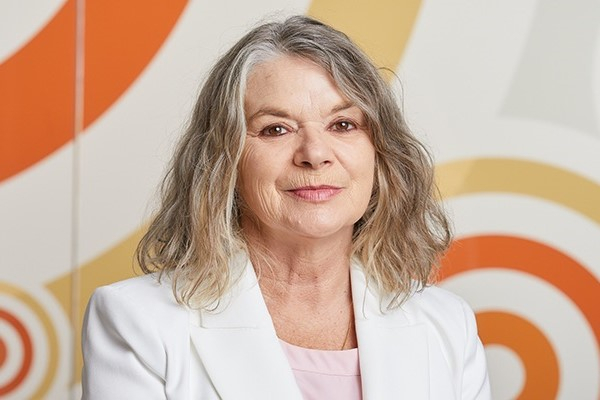
WA's youth commissioner Jacqueline McGowan-Jones said racism had fuelled an alarming number of recent violent acts against Aboriginal children in the state, telling the inquiry that Indigenous children die at greater rates than non-Aboriginal children.
"Some of those are due to family and domestic violence, but some are due to extreme racism," she said.
She highlighted the difference in media attention between a non-Indigenous child disappearing, and an Indigenous child disappearing, reflecting on the large media contingency to find Cleo Smith as opposed to Aboriginal children.
"If it's an Aboriginal child, we might get a Facebook message from either the Department of Communities or police, saying, 'This child is missing," Ms McGowan-Jones said.
"We don't get a full-court press. We don't get the empathy in the community, because the media portrays it in a racist way, if it gets to the media. This is a tragedy in WA, but it's a tragedy right across the country, and it's one that can't continue."
Many anticipate the report on Thursday to be large, detailed and with a number of recommendations. Ms Iles said action is needed, but despite appearing before the inquiry, doesn't hold her breath over the findings.
"How are we holding police accountable for their absolute wilful neglect of Aboriginal families?" she asked.
"The Attorney General and the Prime Minister need to get off their hands and actually do something rather than another report that makes recommendations that are probably pretty weak recommendations, I expect, and [even] then, they don't implement those very weak recommendations."
For Ms Braybrook, the report must not sit on the shelf and collect dust like so many others.
"This is our life," she said. "Our women and our children deserve to be safe."
"The time for talking is well past. The time for partisan debate is over. Political parties must rise above politics and do what is right."



