


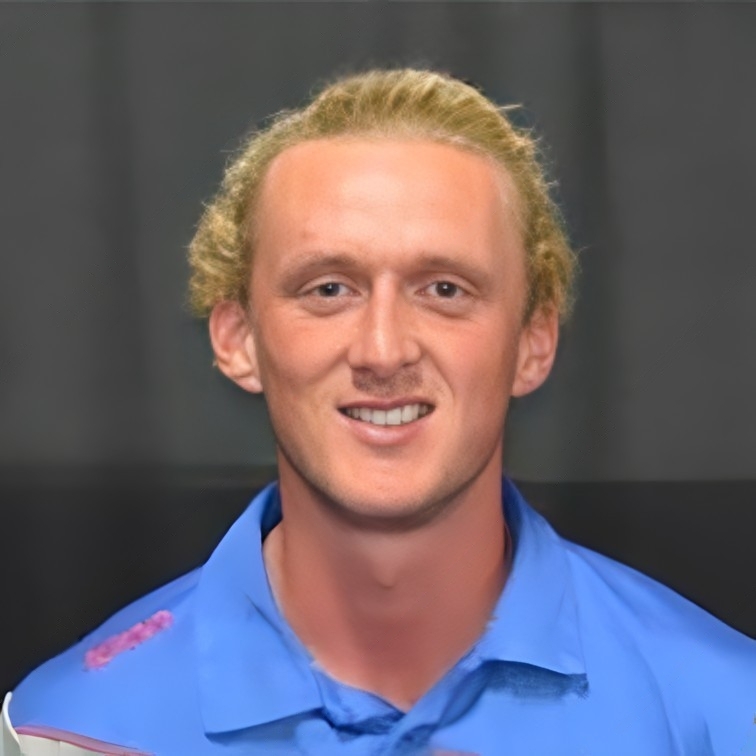

The Tasmanian Aboriginal Legal Service has raised concerns about the Productivity Commission's latest Closing the Gap data.
Released on Wednesday evening, the Commission's 2026 Closing the Gap report found of the 15 targets assessed only three are on track to be met, with suicide rates, adult imprisonment, children in out-of-home care, and the proportion of children developmentally on track continuing to worsen.
Tasmanian Aboriginal Legal Service CEO Jake Smith said the number of Indigenous adults incarcerated in Tasmania is worsening year on year.
He said the rate has increased from 828.6 per 100,000 to 870.2 per 100,000, compared to a decline for non-Aboriginal Adults from 163.8 per 100,000 to 146.7 per 100,000.
"Indicators also show that as at 30 June, 52.4 per cent of Aboriginal and Torres Strait Islander people held in prison custody were unsentenced, the highest rate since the Tasmanian Government signed the national agreement," Mr Smith said.
"These figures represent the Tasmanian Government's lack of genuine commitment and meaningful action in reducing the over-representation of Aboriginal people held in prison."
In addition to the worsening targets, five targets — life expectancy, Year 12 or equivalent attainment, tertiary qualifications, youth engagement in employment or education, and appropriately sized housing — are improving but remain off track.
Commenting on unsentenced Aboriginal people being held in detention and in Tasmanian prisons, Mr Smith said the situation is "unacceptable".
"The Government must as a priority address this," he said.
"The Tasmanian Aboriginal Legal Service has provided opportunities to the Government to reduce the rate of unsentenced Aboriginal people being held, and time and time again it is being overlooked.
"Inadequate legal assistance funding, a lack of options to support people on bail, along with the backlog in our court system and the housing crisis, these are just some of the issues our legal and justice system face, all of which, based on these figures, disproportionately impact Aboriginal people in this State."
Following the report's release National Commissioner for Aboriginal and Torres Strait Islander Children and Young People National Commissioner, Sue-Anne Hunter, said the data was "upsetting, but it is not surprising".
"Governments do not need to design something new," she said.
"They need to fund and follow what is already working in the areas where our children are still being removed, still being detained, and still going without.
"Every year these targets stall or regress, a generation of young people carries the cost, and the same gaps pass to the next generation. That tells our children something about whether these systems were built for them."
She said First Nations children aren't "falling through the cracks". Rather, "they are being failed by systems designed without them".
"That is our Closing the Gap reality, and it is within the power of our governments to change," Commissioner Hunter said.
Speaking on target failures, including incarceration, federal Minister for Indigenous Australians. Malarndirri McCarthy, said: "It's very, very difficult to deal with these situations where you have particular pieces of legislation that see the high incarceration rates of First Nations people."
"What that means is that we have to go harder; we have to keep pushing the states and territories around the justice factors," Senator McCarthy said.
A Tasmanian Government spokesperson said the government was committed to improving access to justice for all Tasmanians, and has made record investments in the legal assistance sector.
With Dechlan Brennan



