



This year marks the 30th anniversary of the official recognition of Australian South Sea Islanders as a distinct cultural group.
In Queensland, events and exhibitions have celebrated their resilience and contributions, highlighting ongoing connections to the Pacific region.
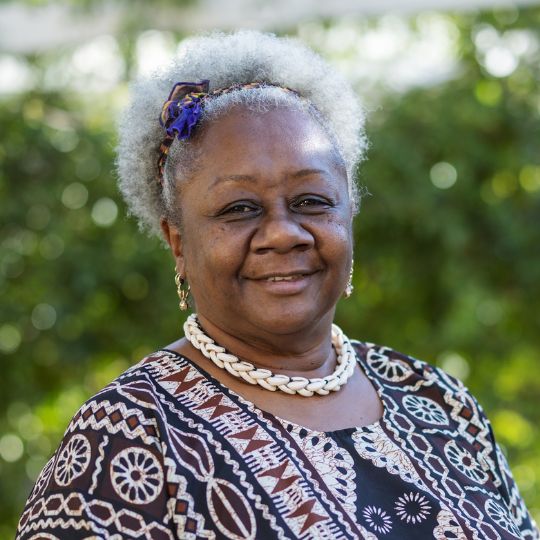
A descendant of Tanna Island, Santo, Ambae – Vanuatu and Chair of the Australian South Sea Islander Port Jackson organisation, Emelda Davis, spoke about the significance of these commemorations.
"Sugar Fest, oceanic culture, history, and music was an initiative that was born in collaboration with the city of Sydney back in 2019 and baby steps we've been building and moving into national organisations or institutions such as the Botanical Gardens to help share the culture because it is a shared history," she told SBS.
She noted these events are not just about celebrating.
"Bringing our descendants together, but also re-connection with our First Nations and Pacific Island families and broader communities," she said.
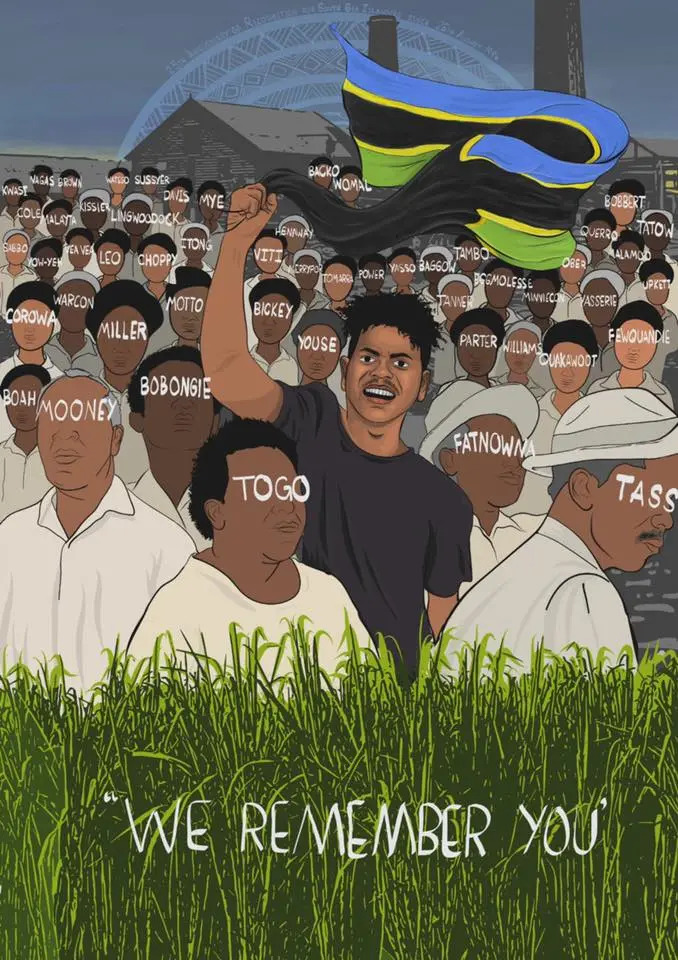
The history of Australian South Sea Islanders is deeply marked by the practice of "blackbirding", where Pacific Islanders were forcibly taken to work in Australia's sugar cane industry.
This legacy of forced labour has left ongoing social and economic impacts that the community continues to address.
Ms Davis spoke of the personal nature of this history, sharing,
"My birthright was stolen. My grandfather, my mother's father was 12 years old."
"I don't know my extended family in Vanuatu. So imagine that having your family stolen and your birthright taken away."
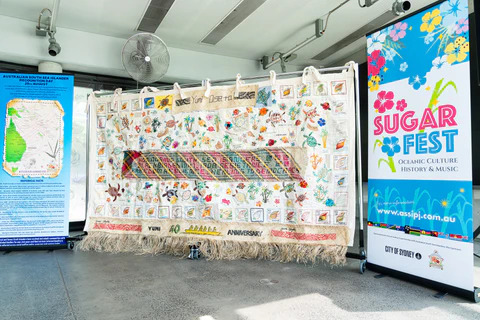
One of the cultural projects that have emerged from this history is the Yumi Olgeta quilt, made by Australian artist Helen Fraser.
Initiated in 2017 as part of an international quilting project, it symbolises unity and storytelling, involving both Australian and Vanuatu communities.
The quilt features motifs like the conch shell, chosen by elders for its significance.
"They picked the conch shell because it represents blowing into the Pacific Islands to bring the community together," Ms Fraser explained.
The quilt's trade route stitches echo the community's stories of movement and connection.
In addition to community-led celebrations, figures like Torres Strait Islander (Erub and Thursday Island) woman, Vonda Malone, a member of the Queensland Government Truth-Telling and Healing Inquiry, have emphasised the importance of addressing Australia's broader history of forced labour and marginalisation.
The Inquiry, part of the Path to Treaty Act, has sought to engage with communities to surface difficult histories.
"Through the discussions we've had so far and the engagements with our community members, this history has come to the surface," Ms Malone said.
The new LNP Queensland government has frozen the Inquiry's work and intends to scrap the Path to Treaty Act.
Ms Malone stressed that truth-telling efforts are crucial for future generations to understand and integrate this part of Queensland's history.
This recognition comes amidst wider calls for acknowledgment of colonial injustices.
Charles III recently addressed the Commonwealth summit in Samoa, stating that while the past cannot be changed, the conversation must continue.
However, some, including Ms Malone, found the lack of discussion on reparations disappointing.
"It is the starting of a conversation... but it is the truth and it needs to be led by Indigenous people, First Nations people, in order to engage and do that respectfully," she said.
The anniversary marks not just a moment of remembrance but a celebration of the progress made and the ongoing pursuit for justice and cultural empowerment by Australian South Sea Islanders.



