




No fighting, more kindness, and McDonald's. These were among the requests from Halls Creek children when the Jungarni-Jutiya Indigenous Corporation (JJIC) asked what they wanted from the town's new Night Space.
Three months in, the Night Space hasn't delivered McDonald's, but each night, children gather under the basketball court's colourful lights to play, eat a hot meal, and spend time with local support workers. The organisation's leaders and local authorities say youth crime is down across the remote Kimberley town.
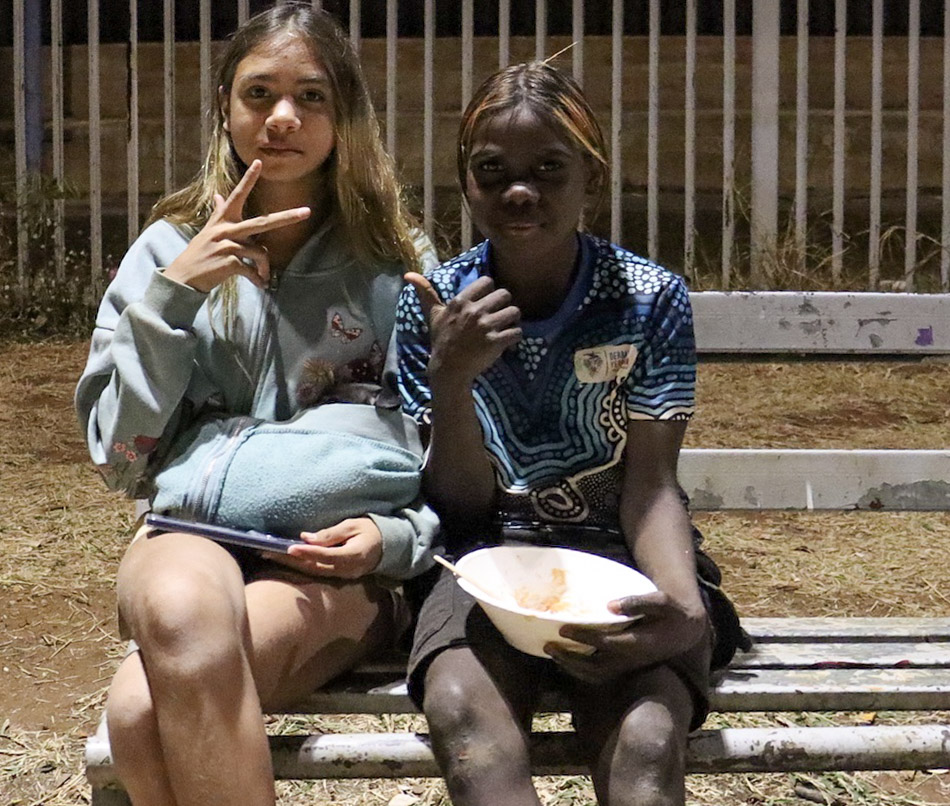
JJIC chief executive Lucy Navoka said there had been fewer vehicles stolen at night since the Night Space opened.
A Night Space worker, who asked not to be named, said she had observed an estimated 40 per cent reduction in youth crime during the same period.
The reports are backed by Kimberley Inspector Robyn Greene, who frequents Halls Creek as part of her jurisdiction.
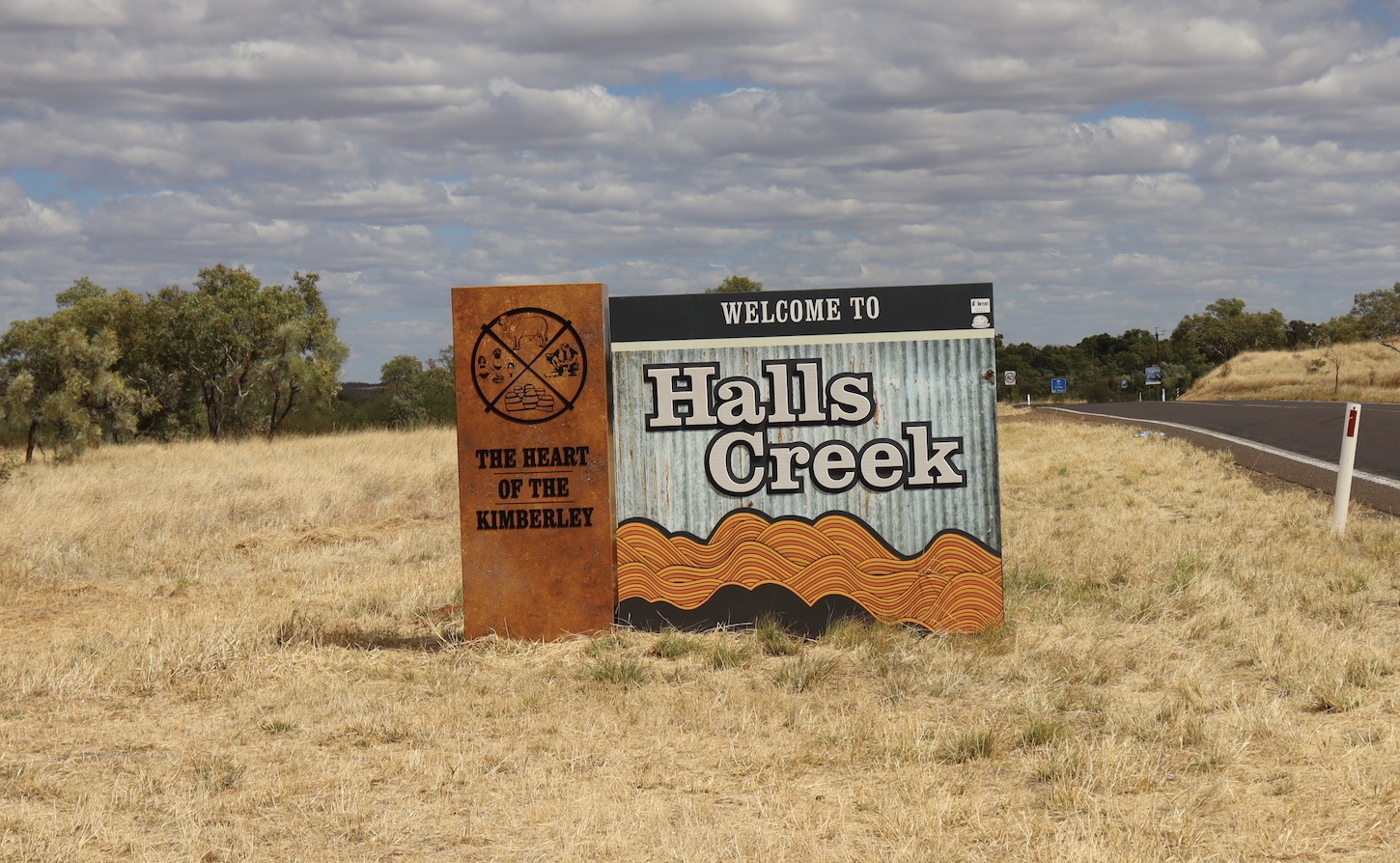
"Since the opening of the Night Space, we have seen a reduction in youth crime and calls for police. It has had a positive influence," Inspector Greene told National Indigenous Times.
Kimberley Superintendent John Hutchison said several factors had contributed to the drop in crime in Halls Creek but noted the beneficial impacts the Night Space had on the remote town's youth.
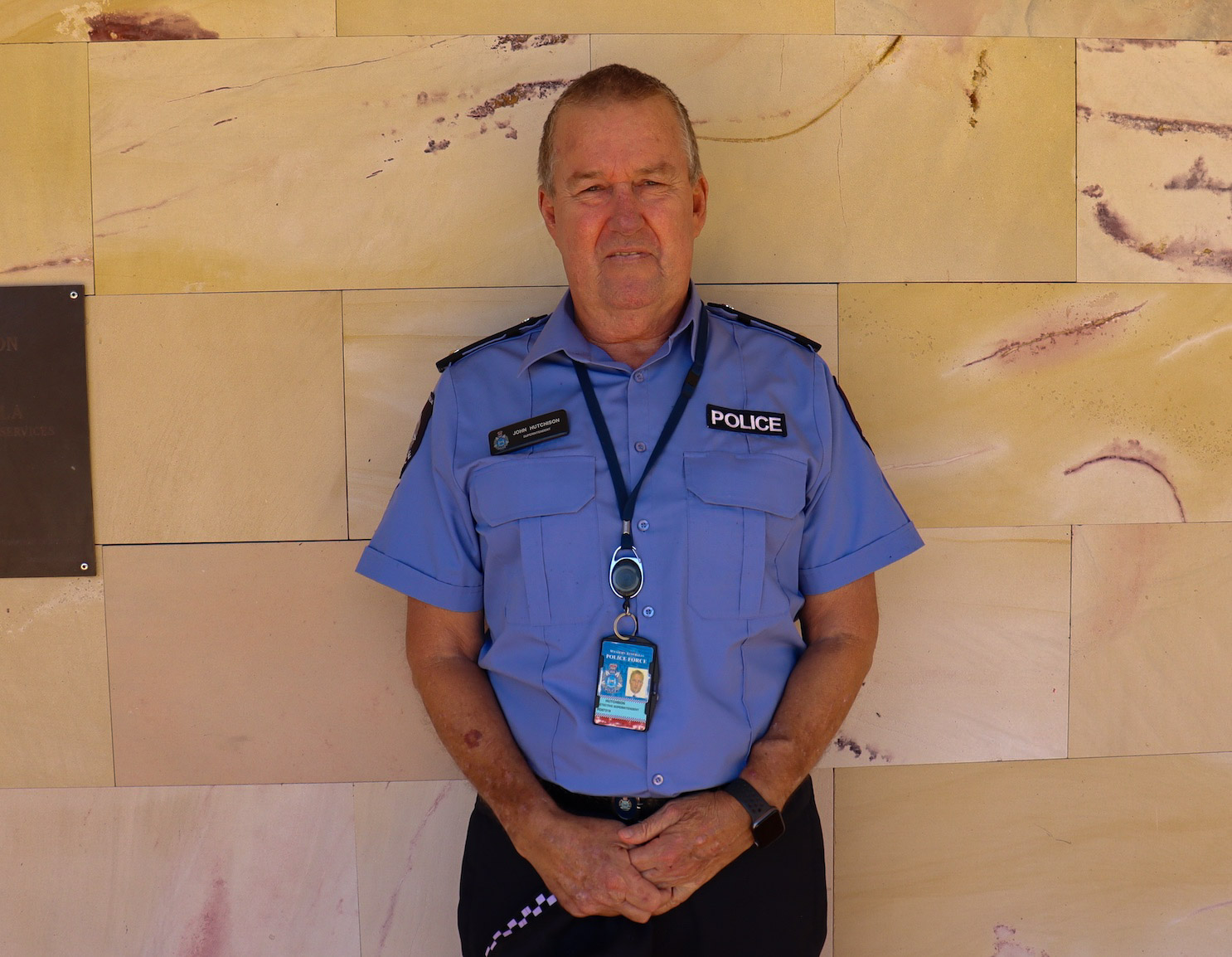
"The declining rate of crime in Halls Creek can be attributed to numerous factors; we now have a new Officer in Charge, we also have extra officers," Supt. Hutchison told National Indigenous Times.
"But the Night Space is obviously a major factor in contributing to reducing youth crime because the number one cause of kids being out and committing crimes is boredom."
The quieter nights are a sharp contrast to the Easter long weekend, when Halls Creek saw a spate of youth crime and at least three stolen vehicles.
On Good Friday, a Toyota Hilux was stolen and driven around town, packed with children and teenagers. Another work vehicle vanished from a Roberta Avenue home and later crashed into a boulder. A third was taken from the Kimberley Language Resource Centre, where property was also damaged.
Police charged at least one young person, including an 11-year-old boy, over the incidents.
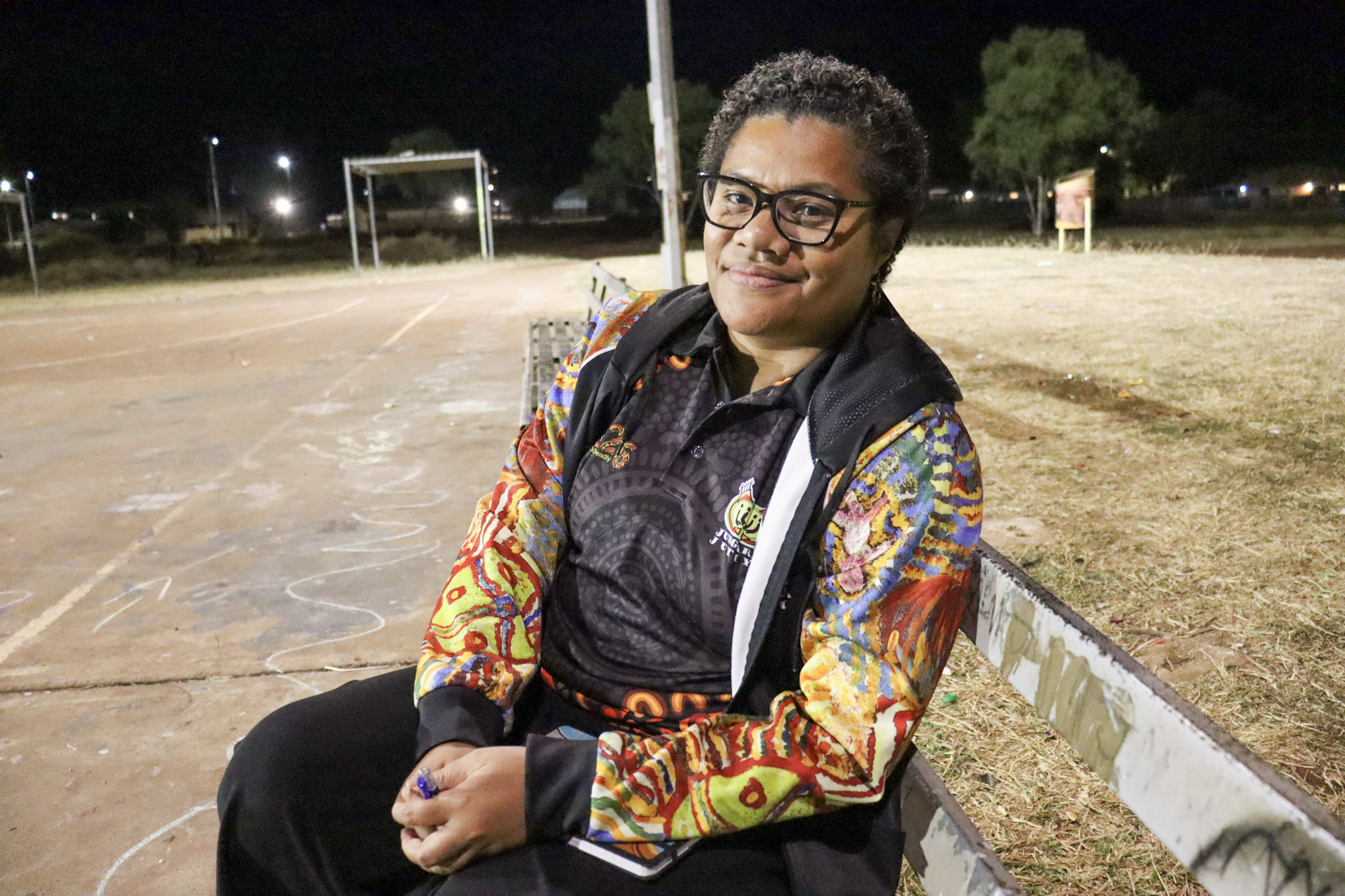
But tonight, 11-year-olds Mariah and Mel swap basketballs and stories with their friends, full of energy.
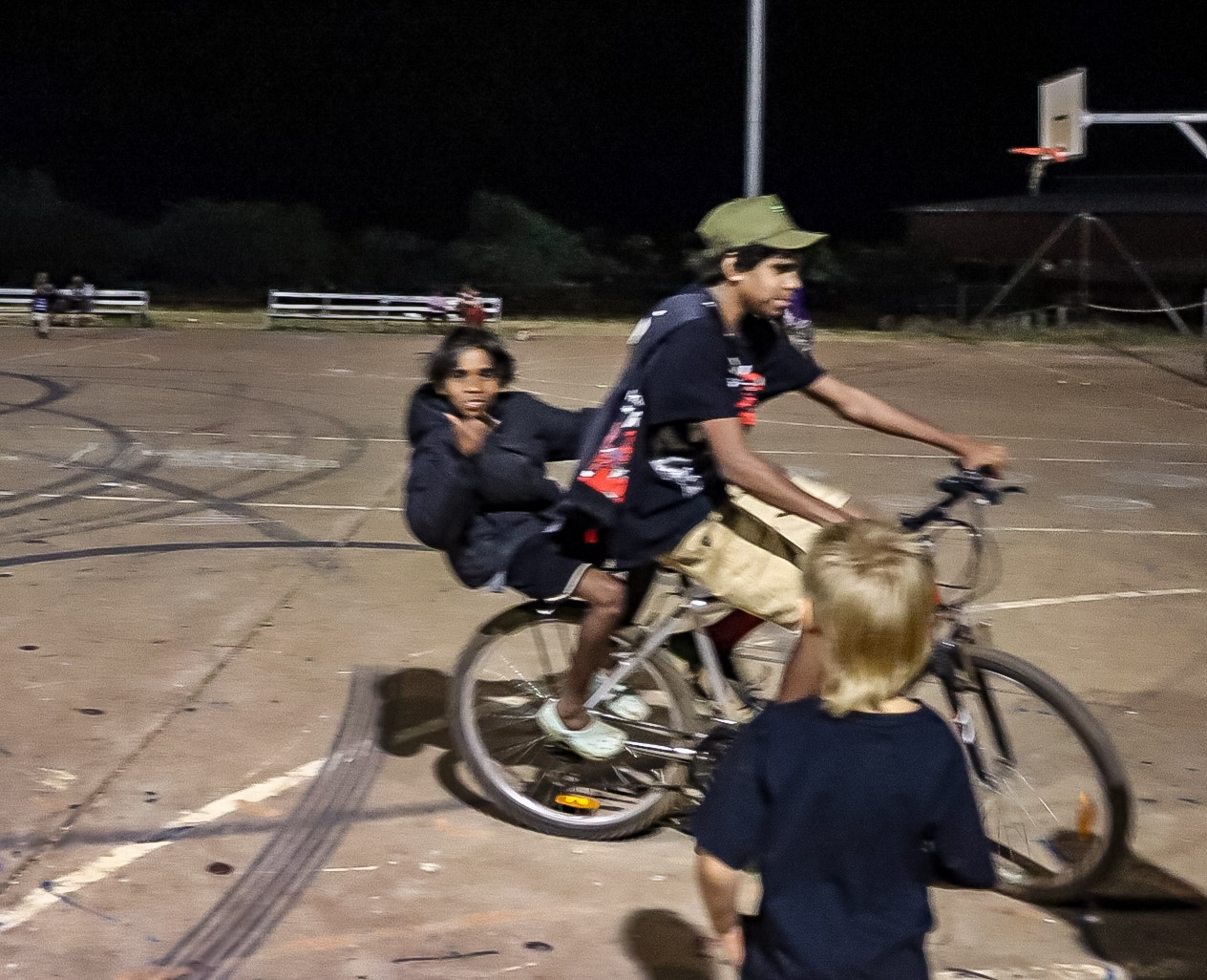
They say the best part of Night Space is simply having somewhere to go. Both want it to open every night.
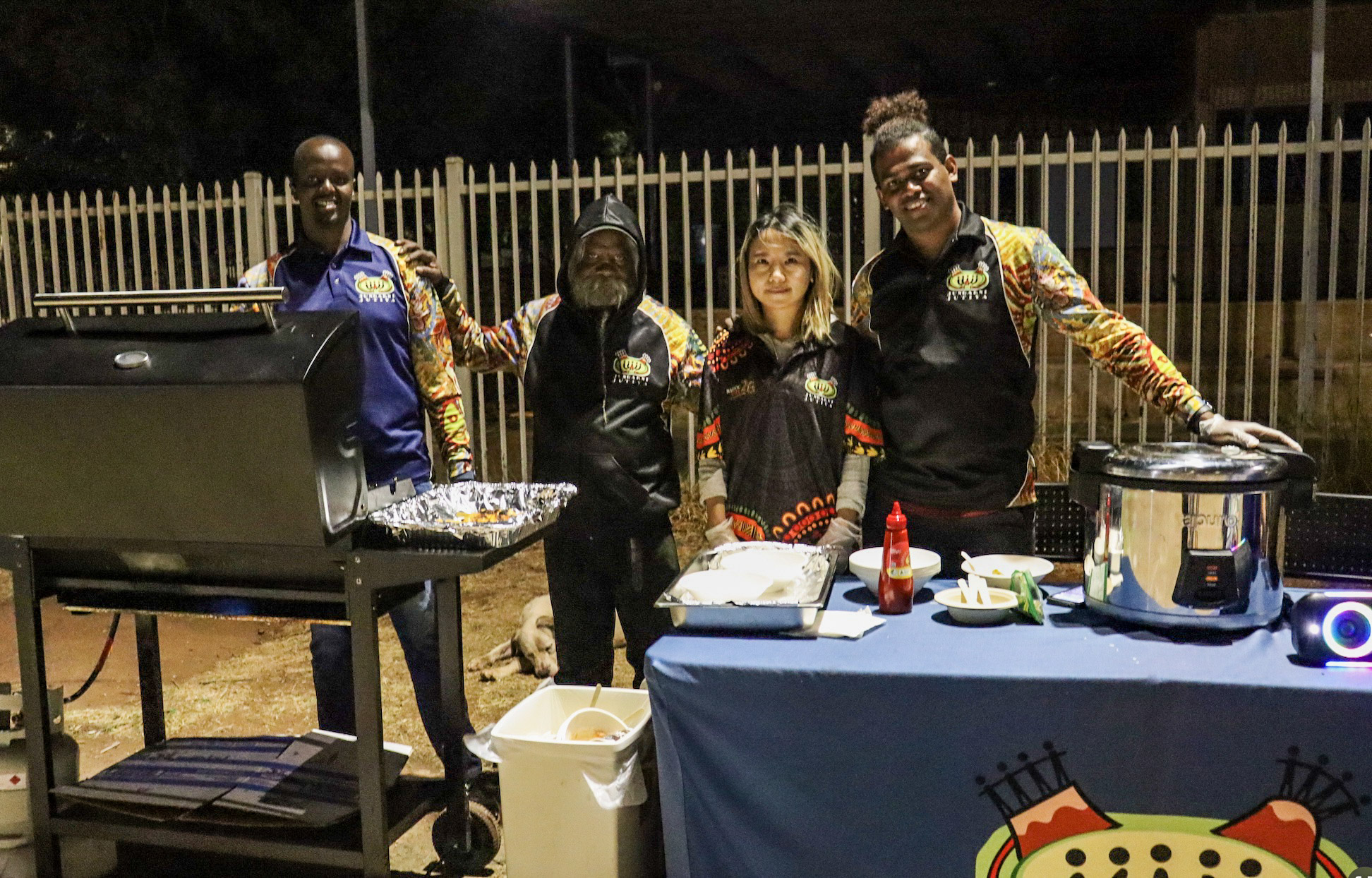
The Night Space runs Tuesday to Saturday, from 5pm to 11pm, drawing JJIC staff and Halls Creek children to the basketball court.
Next week the service is expected to move into a covered area at the Halls Creek Shire Hall.
"We are currently in the process of purchasing a building in town to transform into a permanent location for the Night Space," Ms Navoka said.
The open-air court doesn't deter the children. One seven-year-old child says they love running around the basketball court with friends and family, and having a feed.
But for the child, their night is about to be cut short.
As they laugh with friends and dart after the basketball, staff prepare to drive them to one of three locations JJIC has identified as safe places for children his age.
WA's Department of Justice funds the Night Space through the Kimberley Juvenile Justice Strategy, which aims to reduce youth offending across the region.
Because the age of criminal responsibility in Western Australia is 10, the funding only covers children and teenagers aged between 10 and 17.
While Ms Navoka is grateful for the Department of Justice's support, she is troubled by the number of children aged under 10 who follow older siblings and relatives to the Night Space.

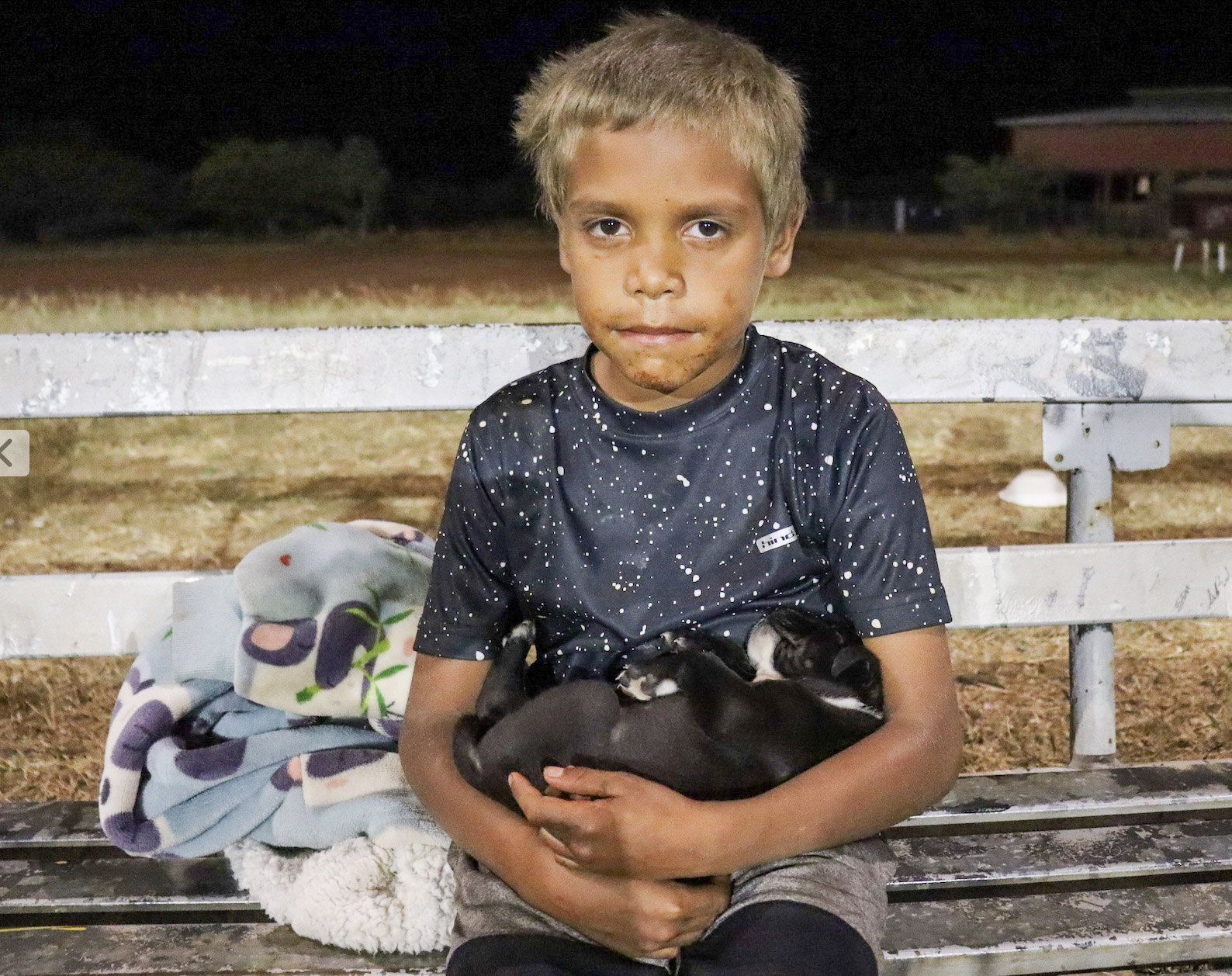
JJIC does not receive funding to support them, and the program's funding does not cover younger children.
"It's sad, but when we start operating from the Shire Hall and then eventually the permanent night space location, the under-10s come, we just have to give them their hot meal and return them home," Ms Navoka said.
"Sometimes one address may not be safe for them that night, but luckily we have staff members who are local to Halls Creek and know where another location might be safer for them for the night."
Although the children fall outside the youth justice system, finding safe accommodation for those considered at risk intersects with the child protection and family support responsibilities of WA's Department of Communities.
National Indigenous Times asked the Department of Communities why it did not provide funding for children aged under 10 attending the Night Space, and what support was available in Halls Creek when staff believed a child could not safely return home.
While the Department of Communities did not directly answer questions about why it did not fund children aged under 10, or what support was available when a child could not safely return home, a spokesperson said in part "no single agency can do this alone".
"The Department of Communities, the Department of Justice, WA Police Force, community sector organisations and Aboriginal Community Controlled Organisations are all working together to address the underlying drivers that lead to antisocial behaviours and tackle these complex issues," the spokesperson said.
The spokesperson said night spaces supported young people who were on the streets at night, "often due to unsafe or overcrowded home conditions", and pointed to government funding for Target 120 of $1 million, for family support programs and at-risk youth services in Halls Creek and the East Kimberley.
But on the basketball court in Halls Creek, the funding divide is less visible, as children aged three to 17 eat, play and look out for one another.



