



Pilbara Native Title organisations are set to benefit from government grants to help create local employment, strengthen organisational capacity and improve Aboriginal cultural heritage management.
A total of $7.38 million has been distributed among 22 Pilbara Native Title organisations through the Western Australian Government's Native Title Party Capacity Building Program, with the aim to support organisations working to meet growing governance, heritage management and community responsibilities.
The announcement comes as Aboriginal Affairs Minister Don Punch faces intense political pressure and mounting calls for his resignation.
WA Opposition Leader Basil Zempilas and prominent Aboriginal leader Dr Robert Isaacs have sponsored a parliamentary e-petition, launched this week, calling on Premier Roger Cook to dismiss Mr Punch, alleging he has failed to perform his core duties during the child protection crisis in South Hedland.
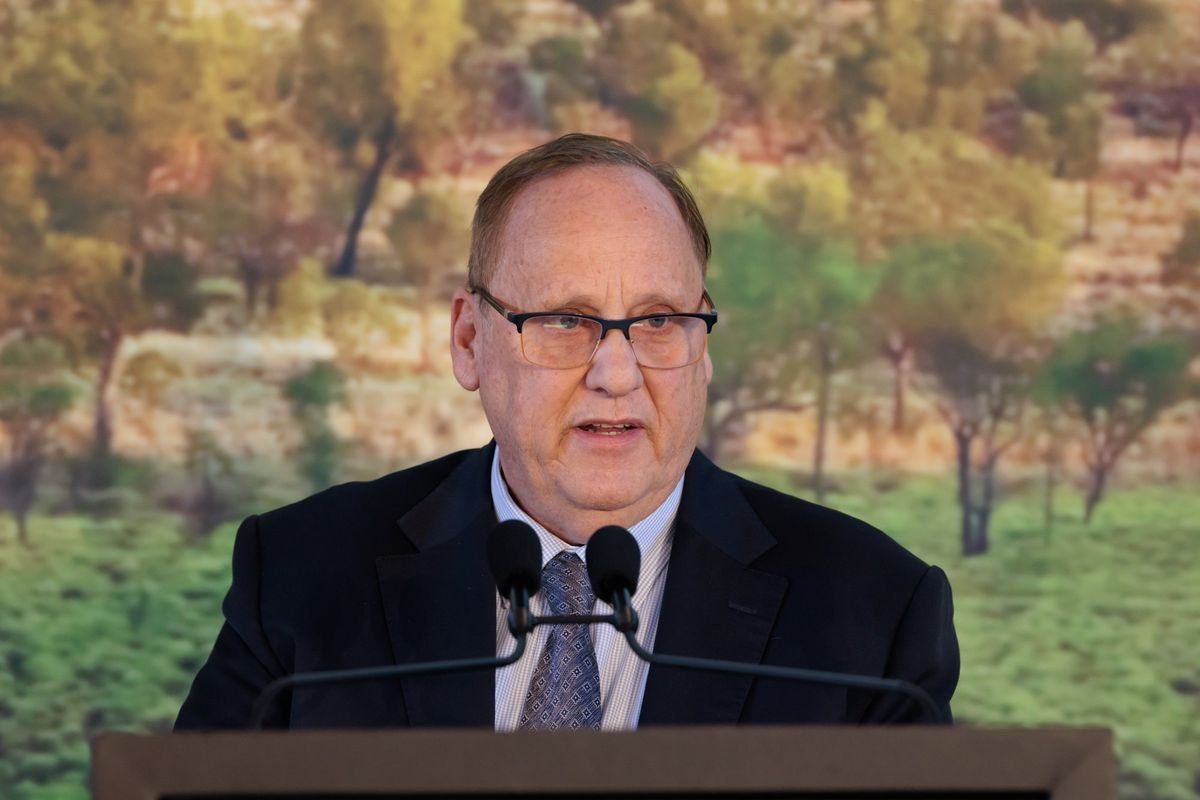
Mr Punch defended the government's investment in regional governance, noting that Native Title organisations carry vital statutory responsibilities in protecting cultural heritage, representing their members, and engaging with industry.
"This funding is providing some important support to organisations across the Pilbara, helping them employ staff, strengthen their governance and improve the systems they need to carry out this work," he said.
While the funding is spread across 22 organisations, limiting the amount available to each, recipients are using the grants to address practical priorities, including employing staff, improving systems and developing the skills needed to manage their responsibilities.
Wanparta Aboriginal Corporation general manager Brooke O'Donnell said the funding was helping the corporation build its internal capacity and work towards greater independence.
Ms O'Donnell said the decision to strengthen the corporation's own capabilities followed discussions between the Board, external advisers and support contacts about the sustainability of relying on outside assistance.
"About two years ago, working with our external advisers and contact person, the Board agreed that relying on outside support wasn't sustainable for anyone. Ngarla people wanted to lead their own business and reach their own goals," she said.
"This funding is helping us do that. It's not just about employing someone, it's about building Wanparta's strength from within, through staff, systems, training and tools, so Wanparta can run on our own and grow for generations to come.
"The progress so far has been really encouraging."
Wanparta has been approved for $180,000 over four years through the program.
The funding has enabled the corporation to employ a dedicated officer since July 2025, alongside supporting heritage and administrative functions.
It is also helping Wanparta improve heritage records, databases and mapping, develop staff skills, establish a strategic plan based on Ngarla people's goals, and strengthen its governance policies and procedures.
Ms O'Donnell said the funding was building capacity across the entire corporation, including clearer communication with government, industry and members.
The longer-term goal is to build towards initiatives such as Ngarla Rangers, business development and heritage work on Country.
Other Pilbara recipients are also using the funding to address their individual organisational priorities.
Tjamu Tjamu Aboriginal Corporation is undertaking digital mapping projects across Kiwirrkurra Country to strengthen heritage management, while also increasing community involvement through a Land and Culture Advisory Committee.
Buurabalayji Thalanyji Aboriginal Corporation has introduced new systems to manage cultural heritage information and proponent applications. Gobawarrah Yinhawangka Aboriginal Corporation is strengthening its organisational capacity, stakeholder engagement and access to specialist heritage expertise.
Yindjibarndi Aboriginal Corporation is also investing in staff development and training to build the skills and systems required for effective cultural heritage management.
Mr Punch said recipients were making targeted investments to address their individual needs and strengthen their organisations.
"While the funding is shared across a large number of organisations, we are seeing recipients make targeted investments that are delivering practical benefits for their organisations and communities," he said.
The Native Title Party Capacity Building Program is part of the statewide Native Title Party Support Strategy, which aims to help native title organisations participate more effectively in cultural heritage, land management and consultation processes across Western Australia.
Established in 2023, the $58 million program provides long-term funding agreements to 77 native title parties across the State, supporting investment in staff, governance, systems and services.



