




Indigenous leaders from New Zealand and the Cook Islands recently signed a treaty known as He Whakaputanga Moana (a declaration of the sea and lakes), which acknowledges whales as legal persons.
Aotearoa (New Zealand) has previously extended legal personhood to entities like Te Awa Tupua Whanganui River, Te Urewera land, and Taranaki maunga mountain.
However, He Whakaputanga Moana marks a departure from these precedents.
Unlike earlier initiatives, it is grounded in tikanga Māori (customary law), rather than Crown law.
The declaration aims to safeguard the rights of whales, known as tohorā, enabling them to migrate without hindrance and utilise both mātauranga Māori and scientific knowledge for enhanced protections.
Additionally, it seeks to establish a specific fund dedicated to whale conservation efforts.
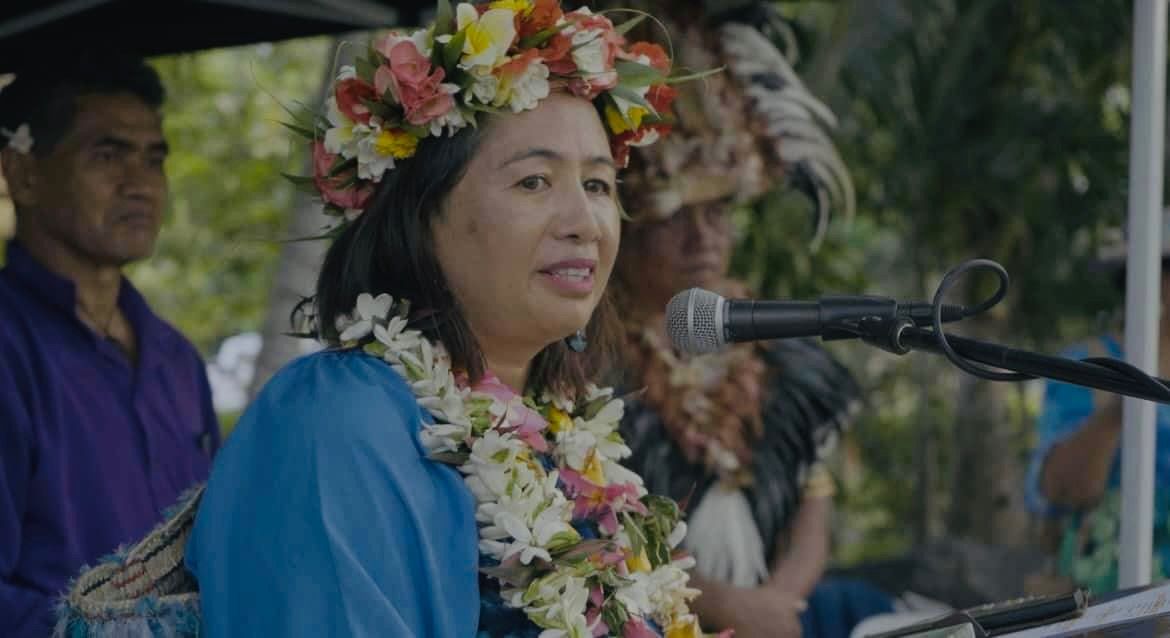
Mere Takoko a Ngāti Porou, Te Whānau a Apanui, Rongowhakaata iwi (tribe) woman and Conservation International New Zealand's Vice President told ABC: "For us, the whale is our ancestor. It's about protecting these sentient beings."
"By giving them legal personhood, it's really a reassertion of their inherit rights but also about endowing them with the right to frolic freely in the ocean," she said.
"Legal personahood is ultimately about giving them visibilty in the water, and trying to deter unsustainable practices like ship-strikes from occuring."
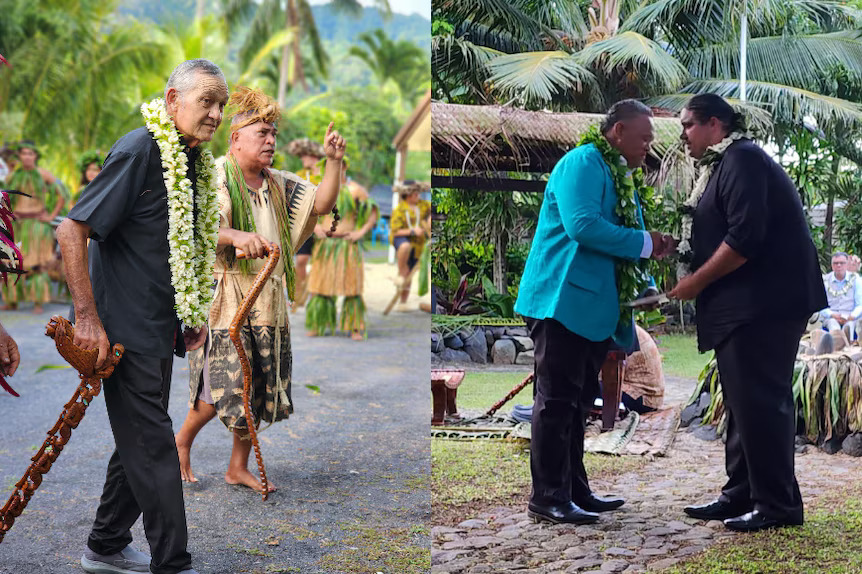
The declaration was endorsed by prominent figures including King Tuuheitia Pootatau Te Wherowhero VII of the Kiingitanga movement, Lisa Tumahai, chair of the Hinemoana Halo Ocean initiative, and Cook Islands leader Kaumaiti Nui Travel Tou Ariki.
It acknowledges the significance of whales as ancestral beings in traditional Māori and Pasifika beliefs.
King Tuuheitia described the declaration as "a woven cloak of protection for our taonga," highlighting that the presence of whales "reflects the strength of our own mana", the ABC reports.
Over the past decade, Aotearoa has been at the forefront of pioneering legal personhood for elements of nature as a mechanism integrated into settlements under Te Tiriti o Waitangi/Treaty of Waitangi.
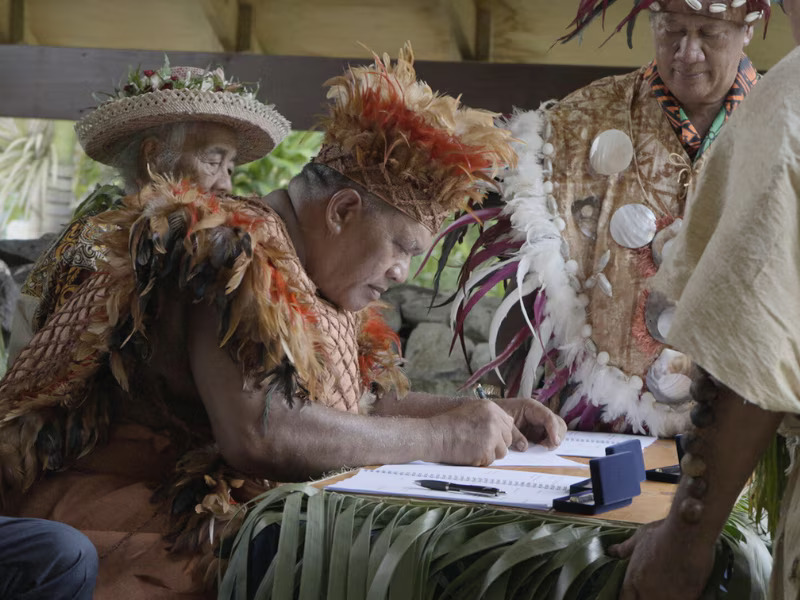
It's crucial to highlight that these concepts have been acknowledged and put into practice through collaborative efforts between the Crown and Māori.
The treaty allows Ms Takoko's team to start talks with governments across the Pacific to help craft a legal framework to protect whales.
"We see this opportunity as a way to anchor the blue economy in the Pacific," Ms Takoko told Pacific Beat.
"And we are establishing a $100 million fund to assist Pacific governments to put enabling legislation in place.
"And there will be a whole other raft of benefits through the protection of the whale, which includes the restoration of our blue habitats."
Ms Takoko expressed her aspiration for all traditional leaders of the Pacific to support the initiative, and she intends to engage with governments accordingly.



