




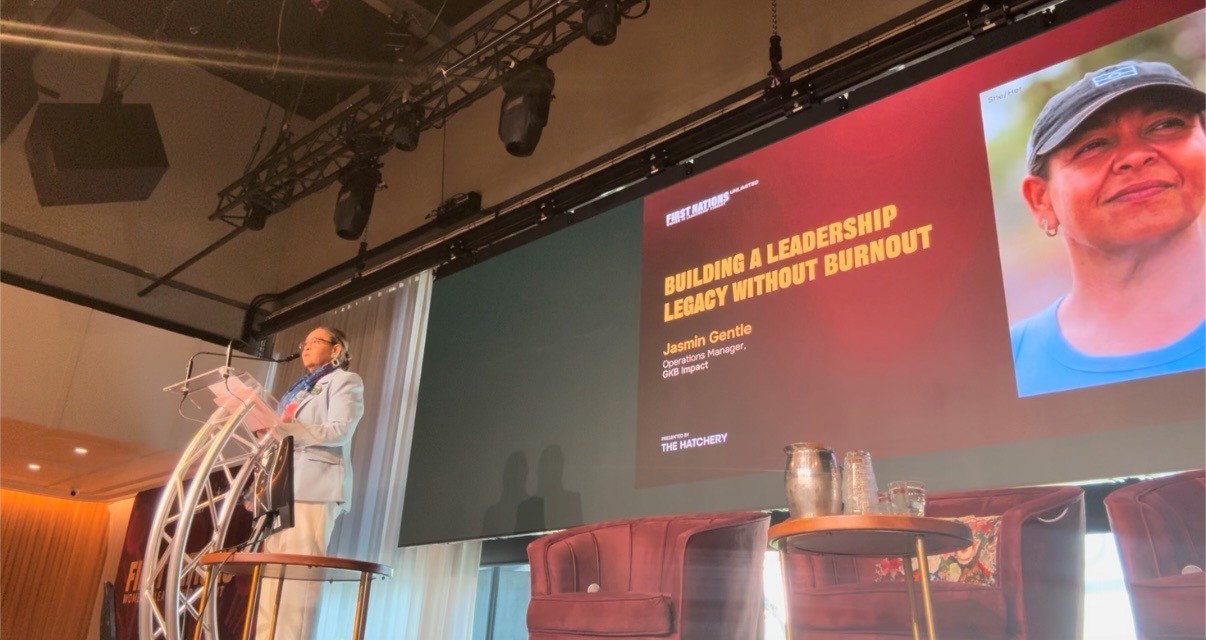
A powerful call for First Nations women to protect their wellbeing while continuing to lead communities has been delivered by Jasmin Gentle, who says legacy should never come at the cost of burnout.
Speaking on the theme of legacy and cultural burnout at The Hatchery's First Nations Women UNLIMITED Leadership Summit, Ms Gentle shared her personal journey as a mother, carer, student and leader, reflecting on the weight many Aboriginal and Torres Strait Islander women carry while balancing family, community, culture and professional responsibilities.
"Today I want to talk about legacy and cultural burnout. Not as abstract ideas, but as lived realities," she said.
For Ms Gentle, the concept of legacy began long before she held leadership positions.
"I became a single mum at 22. Back then, legacy wasn't a word I used. Survival was the word," she said.
Ms Gentle spoke candidly about working multiple jobs, supporting family members and navigating life as a young mother while trying to create opportunities for those around her.
Her career eventually led her into education, where she worked to create safe spaces for Aboriginal students before making a significant decision to leave a higher-paying role behind.
"People asked, 'Why?' Because legacy sometimes means leaving money on the table to gain purpose, skill and perspective, and to be closer to your community," she said.
Ms Gentle said some of her greatest leadership lessons did not come from formal positions but from raising children, caring for family and showing up consistently through life's challenges.
"That's where my leadership was forged, not in boardrooms, but in the everyday decision to keep showing up," she said.
In 2024, while working full-time, Ms Gentle returned to university and continued building her professional career, eventually stepping into leadership roles supporting governance, self-determination and community development initiatives across Noongar country.
Among the projects she highlighted were programs supporting intergenerational knowledge transfer between Elders and young women, as well as youth wellbeing initiatives combining modern science with traditional food knowledge.
While celebrating these achievements, she also used her platform to highlight the hidden burden many First Nations women carry.
"Many of us carry what we recently called cultural load, now known as colonial load," she said.
"The unpaid, often invisible expectation placed on First Nations women to represent, translate, soothe, educate, fix and lead."
Ms Gentle described the pressure of constantly being asked to sit on panels, review documents, educate others about racism and carry community grief while maintaining professional performance.
"In workplaces, community, schools, even at home, we are asked to be the bridge," she said. "And bridges are strong, but they are also walked on."
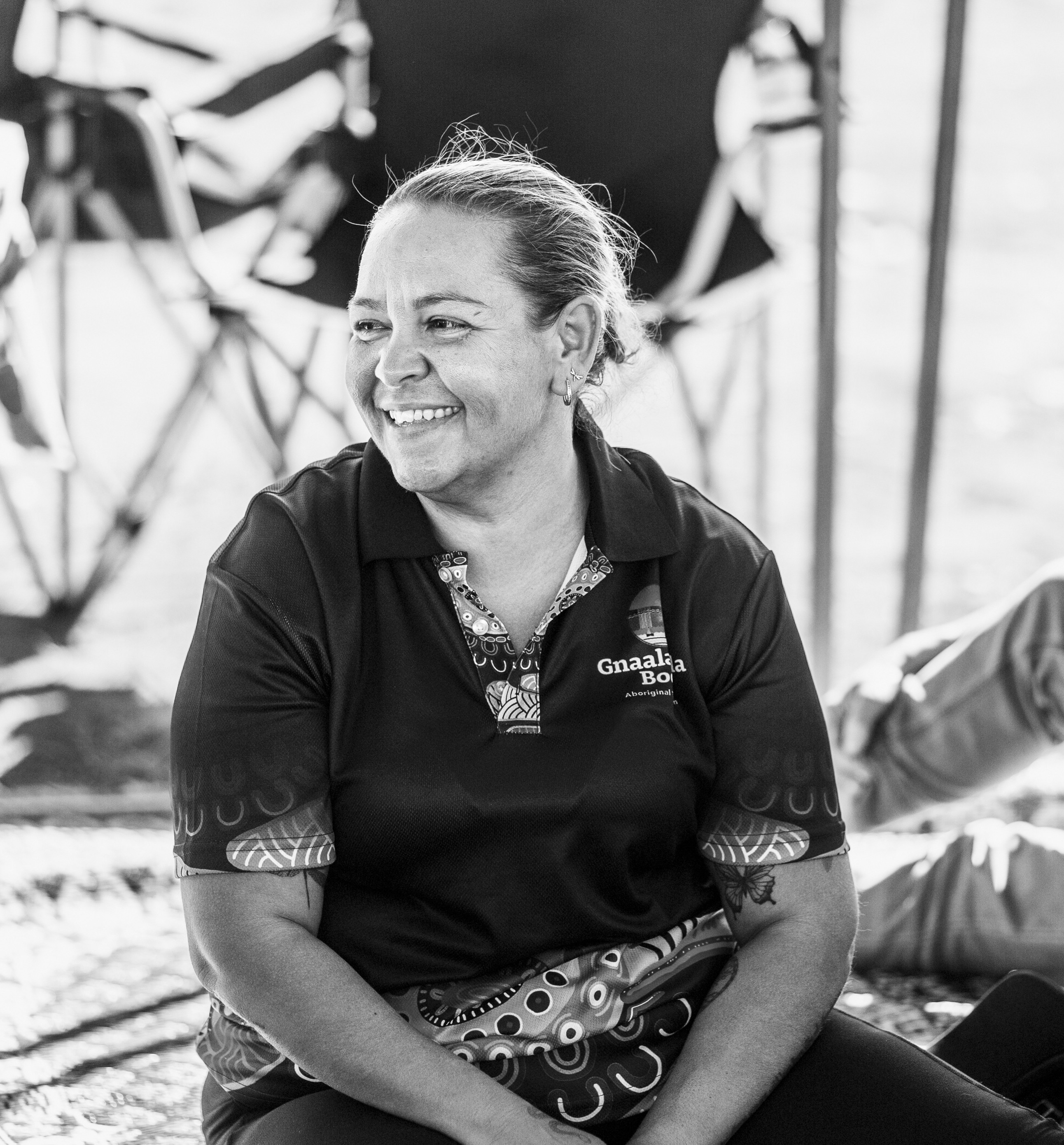
Ms Gentle warned cultural burnout is more than exhaustion.
"Cultural burnout doesn't just drain us — it erodes legacy," she said.
"Legacy isn't just what we build; it's how we build it — with values intact, with health intact, with the next generation seeing a version of leadership that is sustainable."
A key message throughout her address was the importance of boundaries.
"I used to think saying yes was a sign of commitment," she said. "Now I know that no is a strategy for longevity."
Ms Gentle encouraged leaders to make values-based decisions, prioritise cultural safety and embrace shared leadership models that reduce pressure on individuals.
"Legacy is many hands, not one hero," she said.
She also shared a deeply personal story about reaching a point where the demands of work, study, family and community became overwhelming.
"I started forgetting things. I cried after meetings," she said. "I couldn't hear Country because my head was so loud."
The turning point came when Ms Gentle deliberately stepped back from opportunities that no longer aligned with her values.
"I said no to three opportunities that looked prestigious, and yes to rest, to my kids' sports days, to a quiet cuppa with Aunties," she said.
Ms Gentle said the experience taught her one of the most important lessons of her leadership journey.
"Legacy multiplies when we honour our limits," she said.
Closing her speech, Ms Gentle challenged First Nations women to rethink the way they view leadership and responsibility.
"You are not the resource — culture is the resource; we are the custodians," she said. "Strong children need strong women.
"Our future deserves leaders who last. Protect your fire; pass on your light; don't carry or pass on the ashes."



