


The AIATSIS Summit on the Gold Coast marked Mabo Day with reflections on truth, power and the future of Indigenous rights on Wednesday.
Kaleb Mabo, the grandson of Eddie "Kioki" Mabo, used his address to connect the significance of June 3 with the continuing work of truth-telling, cultural authority and community-led change.
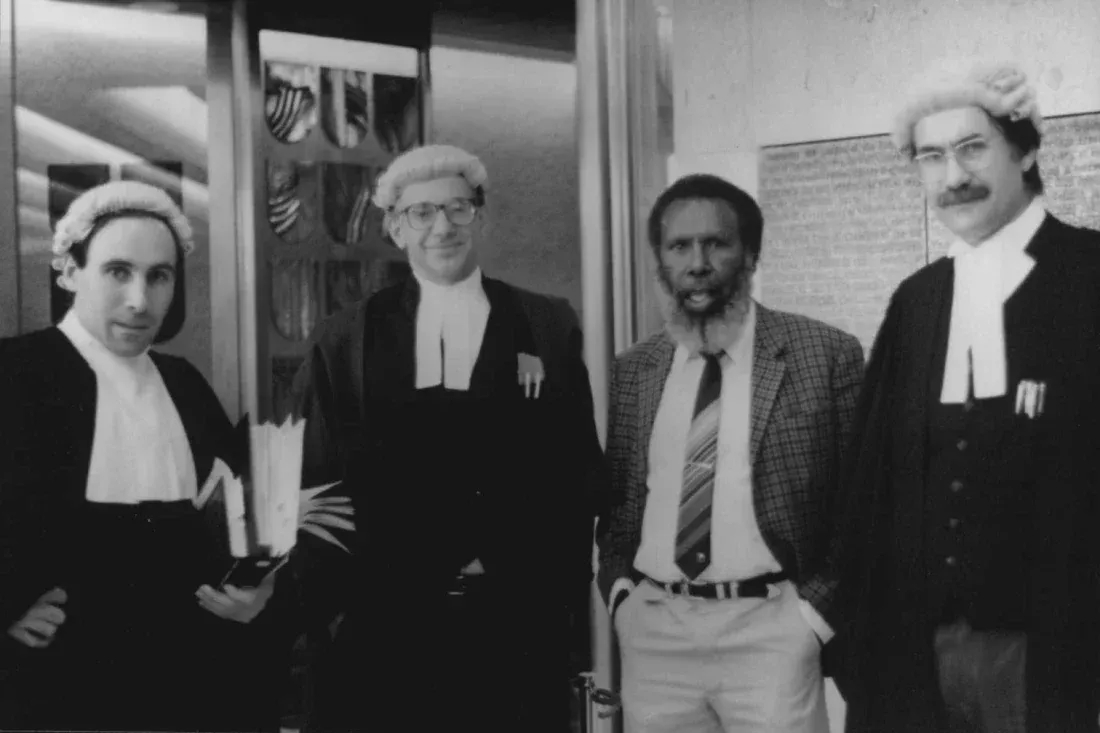
For Mr Mabo, the day was also a family story carried through the life and legacy of his grandfather and the Meriam people of Mer (Murray Island).
His address framed the Mabo decision not only as a legal moment, but as the result of cultural knowledge, resistance and responsibility that existed long before the courts recognised it.
Eddie Mabo's knowledge of land, inheritance and custodianship was presented as law held through generations.
"That knowledge was not symbolic, it was law," Mr Mabo said.
"Under Australian law, the land he always knew as his was said to belong to nobody.
"Imagine being told that your ancestors were invisible."
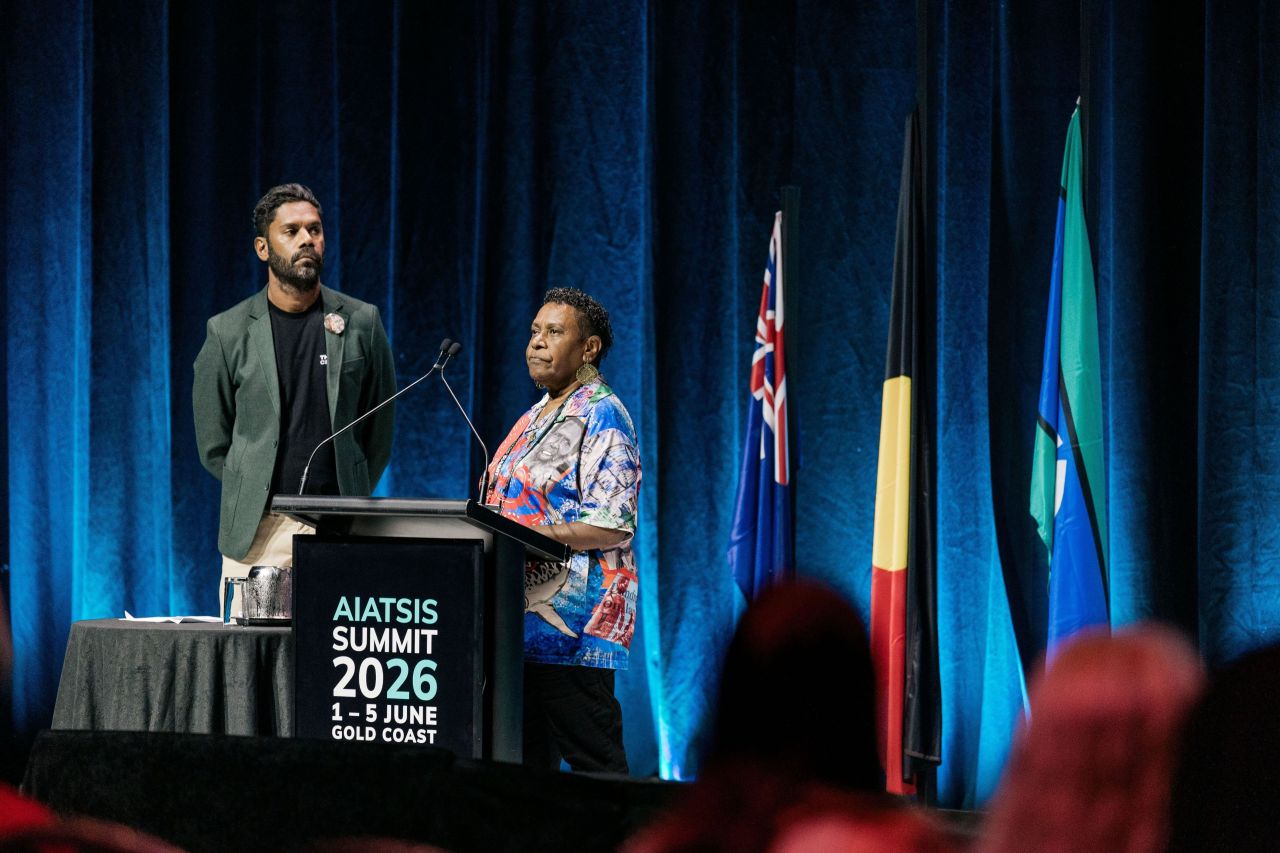
He detailed how Eddie Mabo challenged a legal system which had ignored Aboriginal and Torres Strait Islander people since colonisation.
The High Court decision recognised what Indigenous people already knew: that terra nullius was a lie and Native Title existed.
Truth-telling was presented as more than a record of the past.
It was described as a demand for courage from communities, institutions and the nation.
Mr Mabo linked truth to the ongoing impacts of colonisation across health, education, justice, housing and child protection.
"Truth is not just about the past," Mr Mabo said. "Truth includes acknowledging the ongoing impact of colonisation today.
"When we tell the truth, the full truth, we shift the narrative, and when we shift the narrative, we shift the power."
The Mabo decision was described not as a gift from the court, but as recognition of a power which had always been present.
That power could be seen in Indigenous-led solutions, young people standing strong in culture and education, and communities shaping their own futures.
The address closed with a call for a future built on truth, legal and cultural recognition, and shared responsibility between Indigenous and non-Indigenous Australians.
Waanyi and Kalkadoon Queensland barrister, Joshua Creamer, continued the Mabo Day focus in his following address, citing Eddie Mabo's words about education, culture and land rights.
Those words, Mr Creamer argued, carried force because they showed Eddie Mabo's motivations, not only the later legal interpretation of his case.
Much of Indigenous history had been written through the lens of others, including in court judgments.
For Mr Creamer, the Mabo legacy reinforced the need for Indigenous people to tell their own history.
"I often think about how many times the judges in the Mabo decision have been cited compared to how many people know Eddie's direct evidence or know his motivations," Mr Creamer said.
"How little is known about Koiki, [Dave] Passi and others.
"It reinforces the point that we must tell our own history."
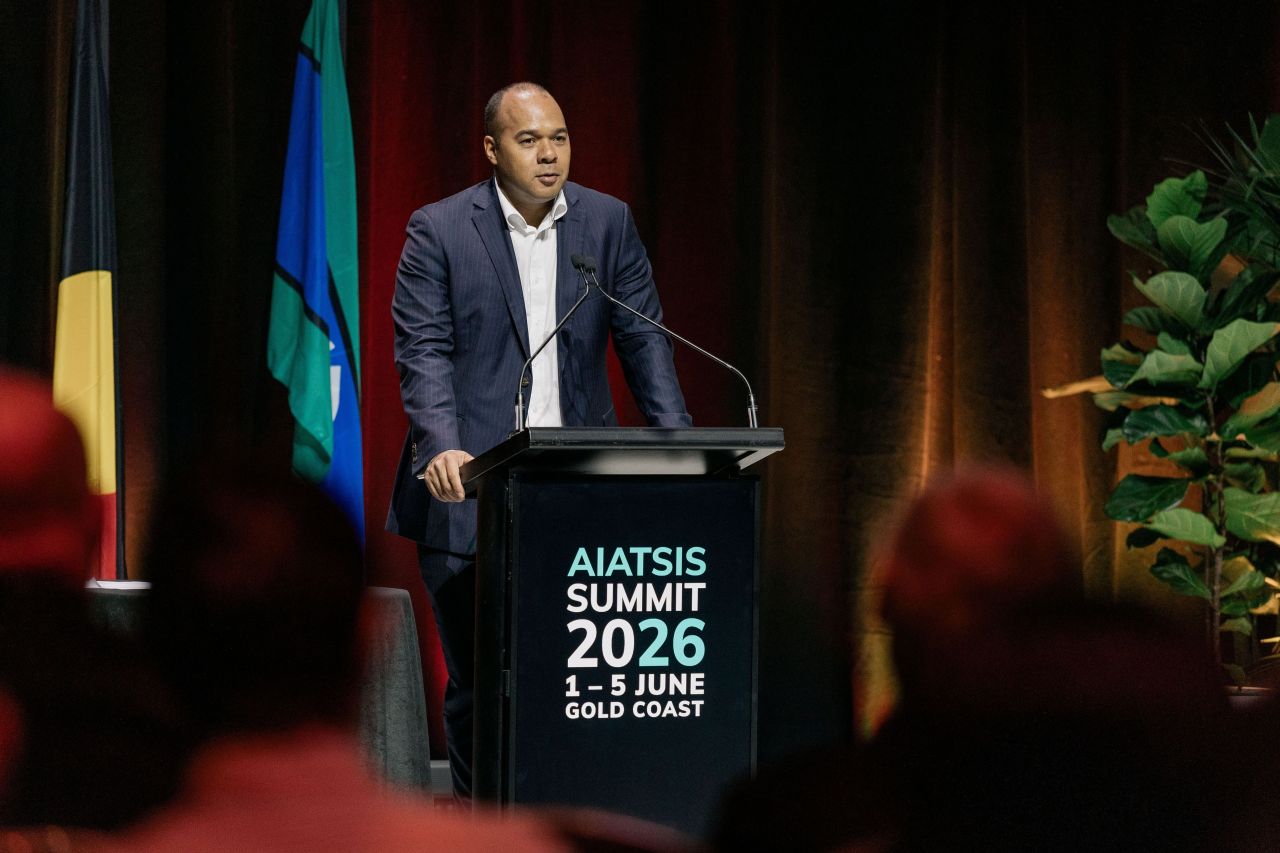
The focus on Indigenous truth shaped Mr Creamer's work in stolen generations and stolen wages cases across Queensland, the Northern Territory and Western Australia.
Through that work, he interviewed hundreds of Elders and reviewed thousands of documents that challenged Australia's national story.
Mr Creamer said the country often carried a "romanticised notion" that its wealth had been built by cattle barons, rather than the Aboriginal men, women and children who worked across pastoral industries and domestic service.
He said that history showed generations of Aboriginal families had helped build the prosperity Australia continues to benefit from today.
"Australia's got this sort of romanticised notion that our wealth has been built on the back of these big cattle barons," Mr Creamer said.
"But when you look at it, it was Aboriginal people, men, women and children who were providing the labour.
"We really were the backbone, we built the pastoral industries, men worked on the stations, women worked as domestics."
Many of the people whose families helped build that wealth remained without proper recognition or security.
Mr Creamer described them as "the forgotten Australians", with some living in tents, shipping containers and sheds despite generations of labour that helped build national prosperity.
For Mr Creamer, that reality reinforced the need for truth-telling to move beyond acknowledgement and into structural change.
He said gatherings such as the AIATSIS Summit were important because they brought people together, strengthened ideas and helped maintain focus on long-term change.
That long-term focus, he said, was central to Eddie Mabo's legacy and the legal fight that changed the country.
"We've got to continue to be motivated like Eddie Mabo was, to be motivated to think about the big picture, the end game," Mr Creamer said.



