


The AIATSIS Summit on the Gold Coast has become a meeting place for Indigenous leaders, organisations and communities to discuss truth-telling, culture, native title, language, justice and self-determination.
For Warlpiri, Ngulakan and Mara man Karl Hampton, from Mparntwe/Alice Springs, the summit has carried significance both as a national gathering and in his role as AIATSIS Council chair.
This year's theme has reflected many of the issues raised by speakers, including continuing injustice, the power of culture and the need for Indigenous people to shape their own future.
Mr Hampton connected the theme to keynote discussions across the summit.
"It's about telling the truth, which still has to happen in our country," he said.
"Shaping our future, a lot of that's up to our mob to do that.
"If we hold the power, we hold our destiny and our future for our children."
The summit has been held across a significant period on the national calendar, beginning around National Sorry Day, continuing through Reconciliation Week and moving into Mabo Day.
Its first sell-out year has shown the place the gathering now holds for Aboriginal and Torres Strait Islander people across the country.
The timing of the summit was part of its national importance.
"The AIATSIS Summit is Australia's leading Aboriginal and Torres Strait Islander gathering of our mob," Mr Hampton said.
"We know it happens during Reconciliation Week... it starts off with National Sorry Day, it moves into Mabo Day."
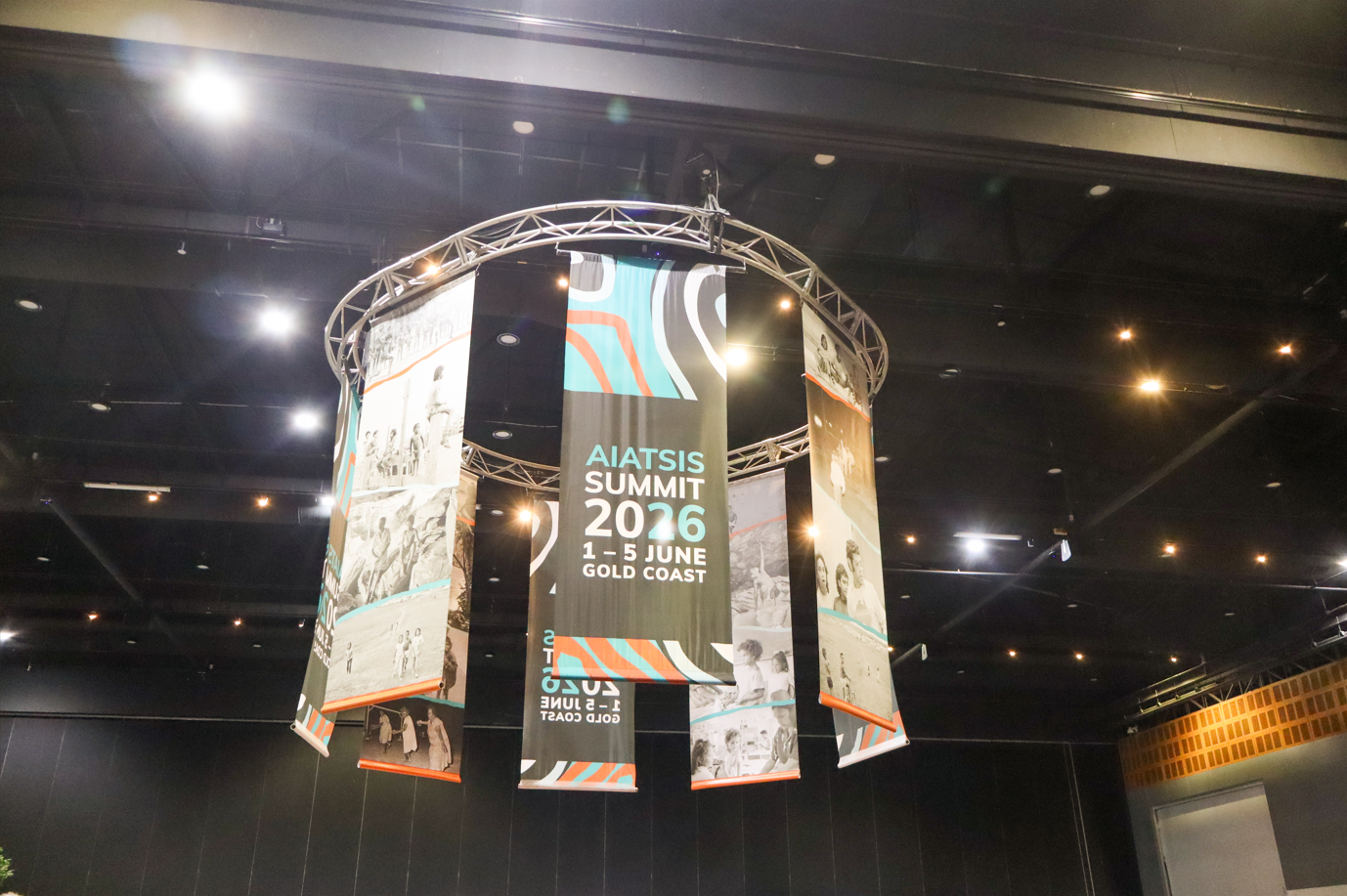
Across the event, discussions have covered issues affecting Indigenous communities in every part of Australia.
Culture, land rights, environment native title, economic development, business, language, and education have all formed part of the program.
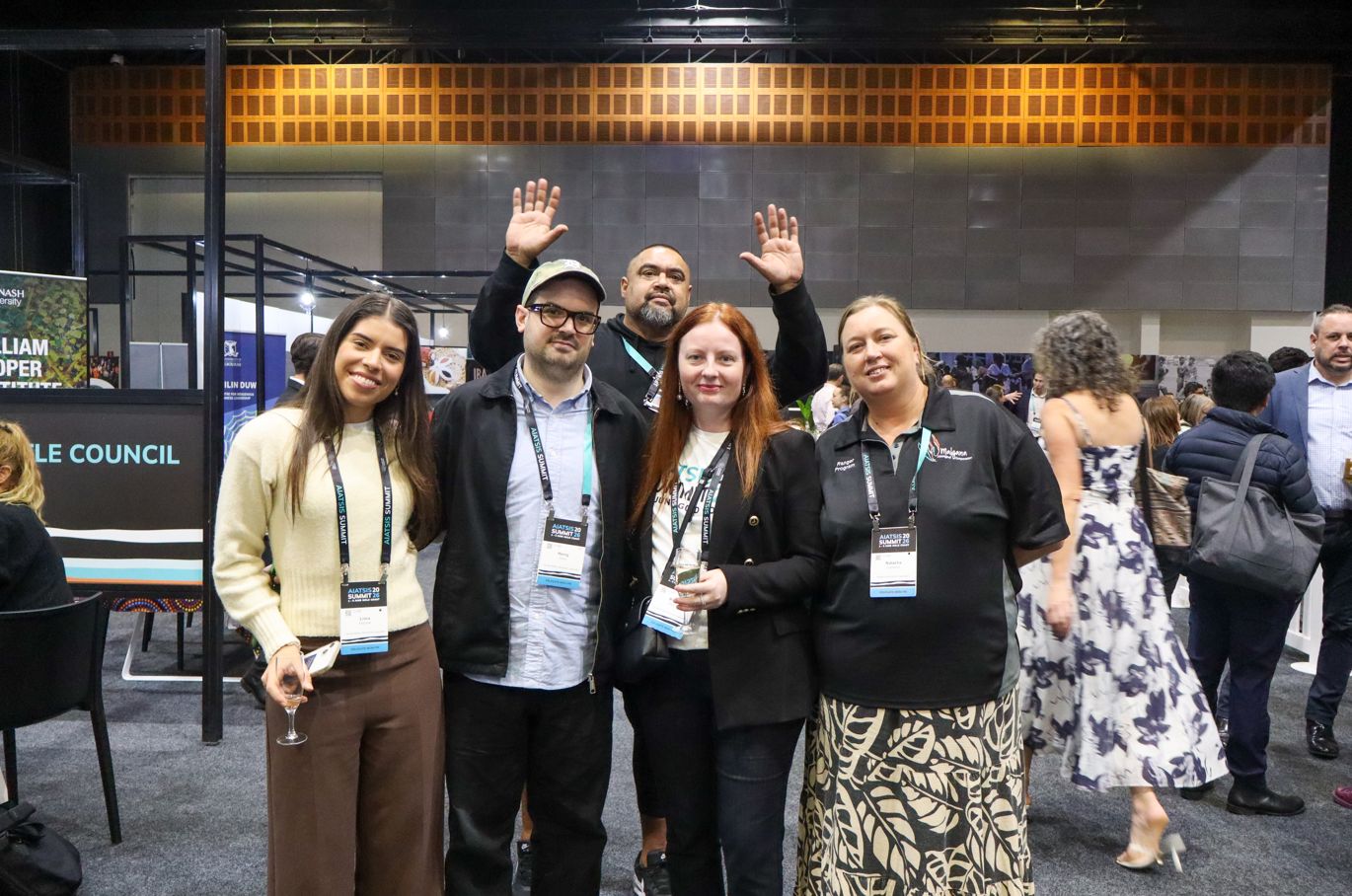
The summit has also created a space for people from different regions to meet, share work and build connections.
During the week, Mr Hampton had spoken with people from the Kimberley, the Pilbara, Kalgoorlie, the Aṉangu Pitjantjatjara Yankunytjatjara Lands, the Tanami and Warlpiri lands.
That national mix has helped define the event.
"There's almost anything that you want to talk about is being spoken about," Mr Hampton said.
"The other strength of the AIATSIS Summit is I'm just amazed when you walk into the exhibition hall or you're walking around the summit, just how many important Aboriginal people are here.
"It brings people from all corners and all parts of Australia and the Torres Strait together."
AIATSIS' work in preserving culture, language, history and family records is a major focus for the organisation.
Mr Hampton said the institute's archives and collections held important material for Indigenous families and nations, including records that could help people reconnect with family history.
The ongoing work to digitise collections was important, but access and use of those records remained central.
"We can't afford to lose that," Mr Hampton said.
"We can't afford for that part of our history in terms of truth-telling to be forgotten.
"Get into your family history, do your own research, and that'll uncover a whole range of stories that you may not know."
Truth-telling remains a key issue for Mr Hampton in the years after the Voice referendum.
Mr Hampton said the disappointment of the referendum's result has not ended the work carried through the Uluru Statement from the Heart, which he described as a living document.
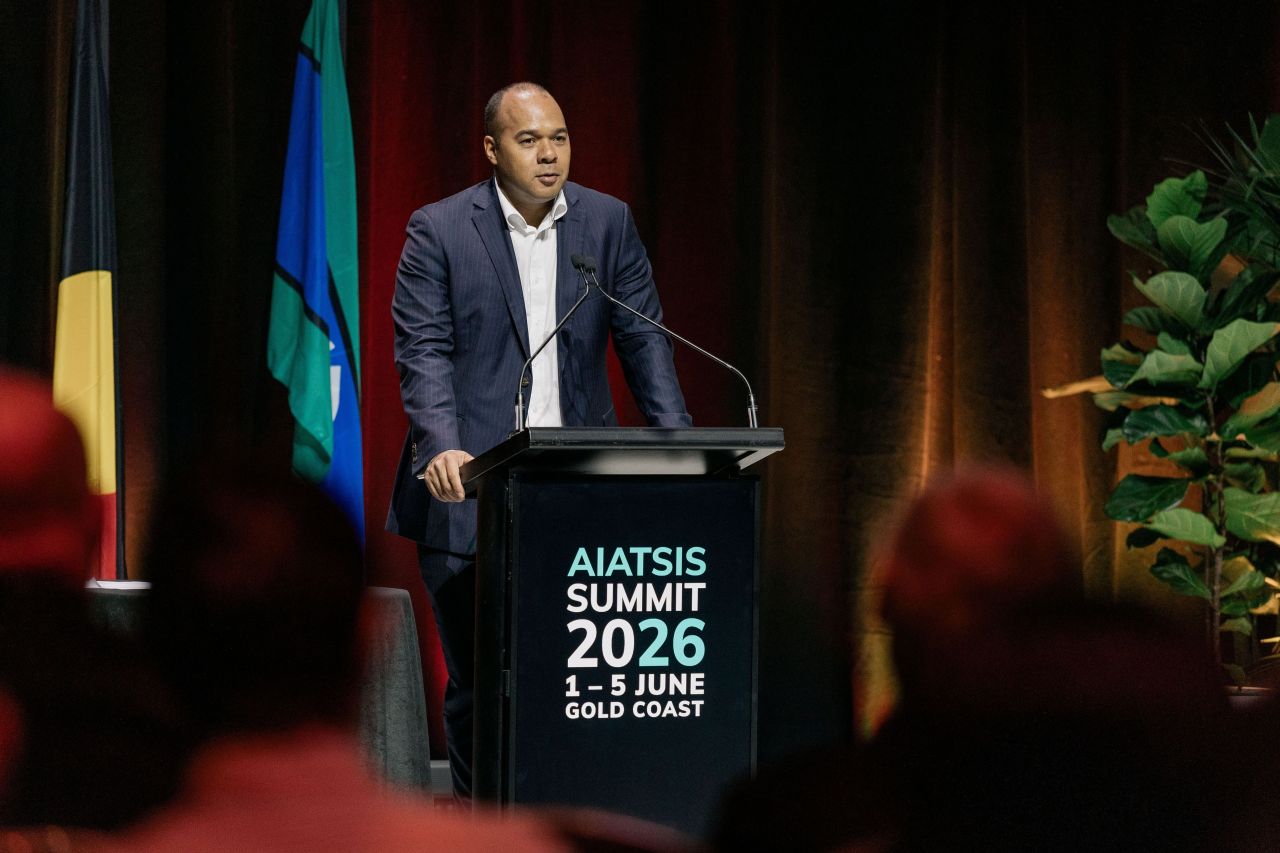
For Mr Hampton, truth-telling is also personal because of the colonial impact on Warlpiri people in the Tanami region.
Australia's path forward depended on bringing those histories into the open.
"Truth-telling to me is still very relevant," Mr Hampton said.
"We've got to bring it out from underneath the dirt and get it out there so we can move together as a nation.
"What we need is action from the government."
The summit's message was not only about discussion, but what people carried home.
The final takeaway was for people to return to their own communities with the ideas, pressure and responsibility raised across the week.
"I think the one conversation is to speak up and to do action," Mr Hampton said.
"Don't leave the words that we hear about here this week in the room or here on the Gold Coast.
"Take the inspiration with you, back to your Country, back to your mob and get in there and do it."



