




Djaara people in central Victoria are taking strides toward water justice on country, years on from signing a landmark agreement for self determination they feel has fallen in this area.
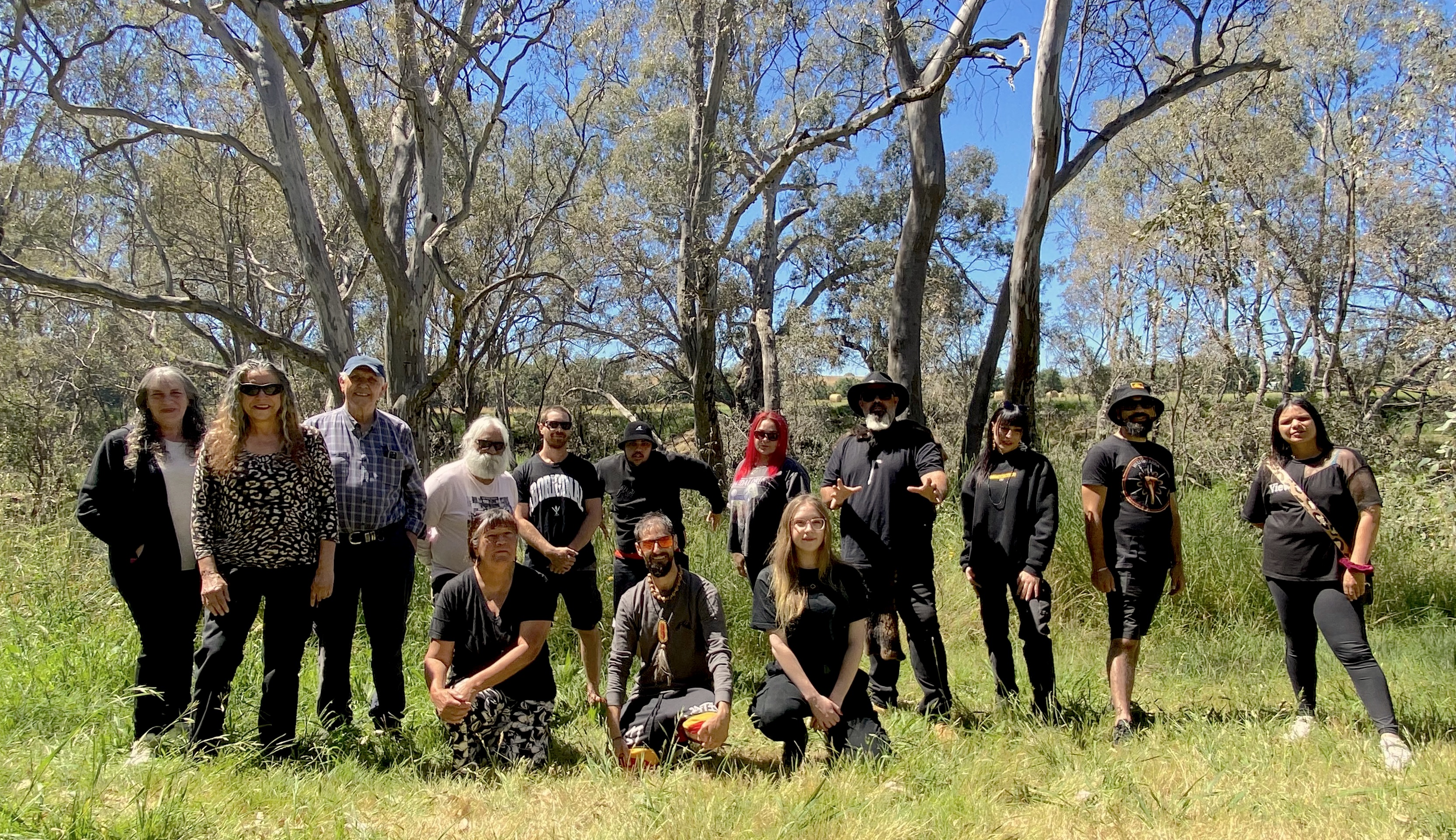
DJANDAK - an enterprise of Dja Dja Wurrung Clans Aboriginal Corporation (DJAARA) launched their Dhelkunyangu Gatjin (working together to heal water) strategy on the banks of the Campaspe River at Platypus Compass in Axedale, 20 minutes east of Bendigo on Monday.
The strategy's release came in June, forming a Project Implementation Control Group in the months since to engage with local water agencies in partnership to walk towards a Dja Dja Wurrung vision of 'healing water'.
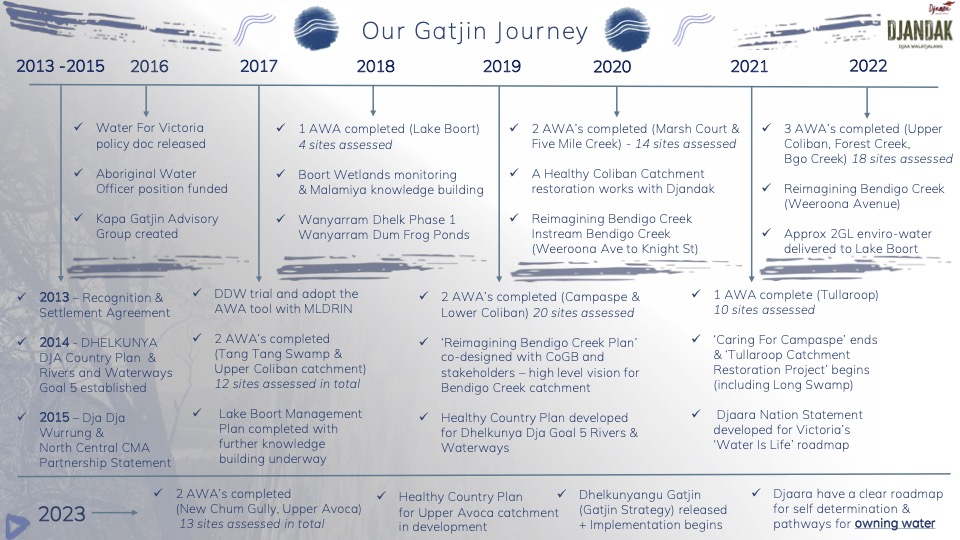
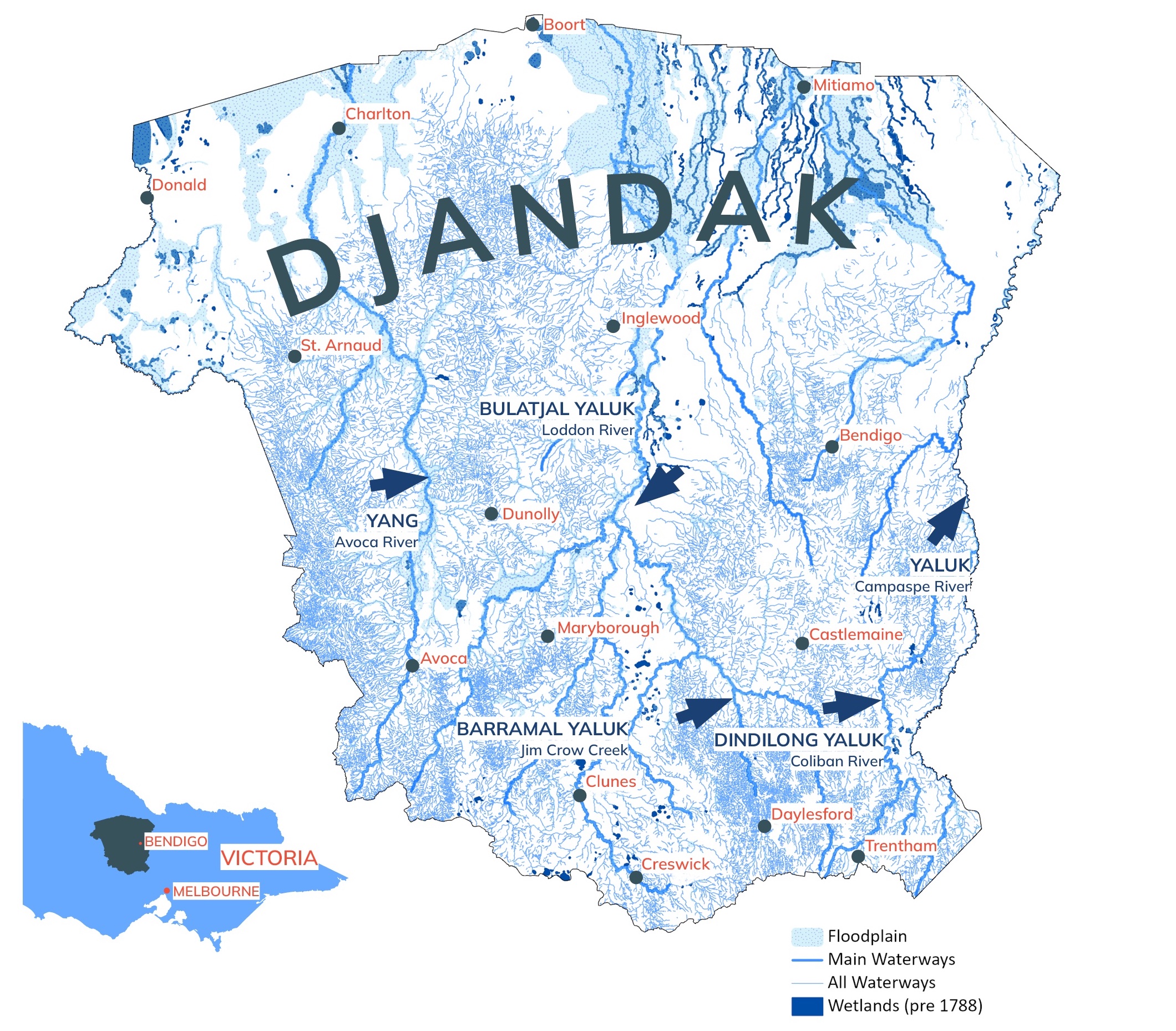
The official launch came amid DJAARA's 10-year celebration of signing their Victorian-first Recognition Settlement Agreement with the state government, strengthening community decision making and self determination across Djaara country (djandak).
Traditional Owners said their right to involvement in water (gatjin) management has gone unrealised.
Founding DDWCAC chair Uncle Graham Atkinson signed the RSA in 2013.
He spoke of his memories learning to swim in the "mighty Campaspe" and drinking tea brewed from its water as a young boy.
By the time he was a teen, because of irrigation, pollution and "abuse that occurred along the waterways" those days were gone.
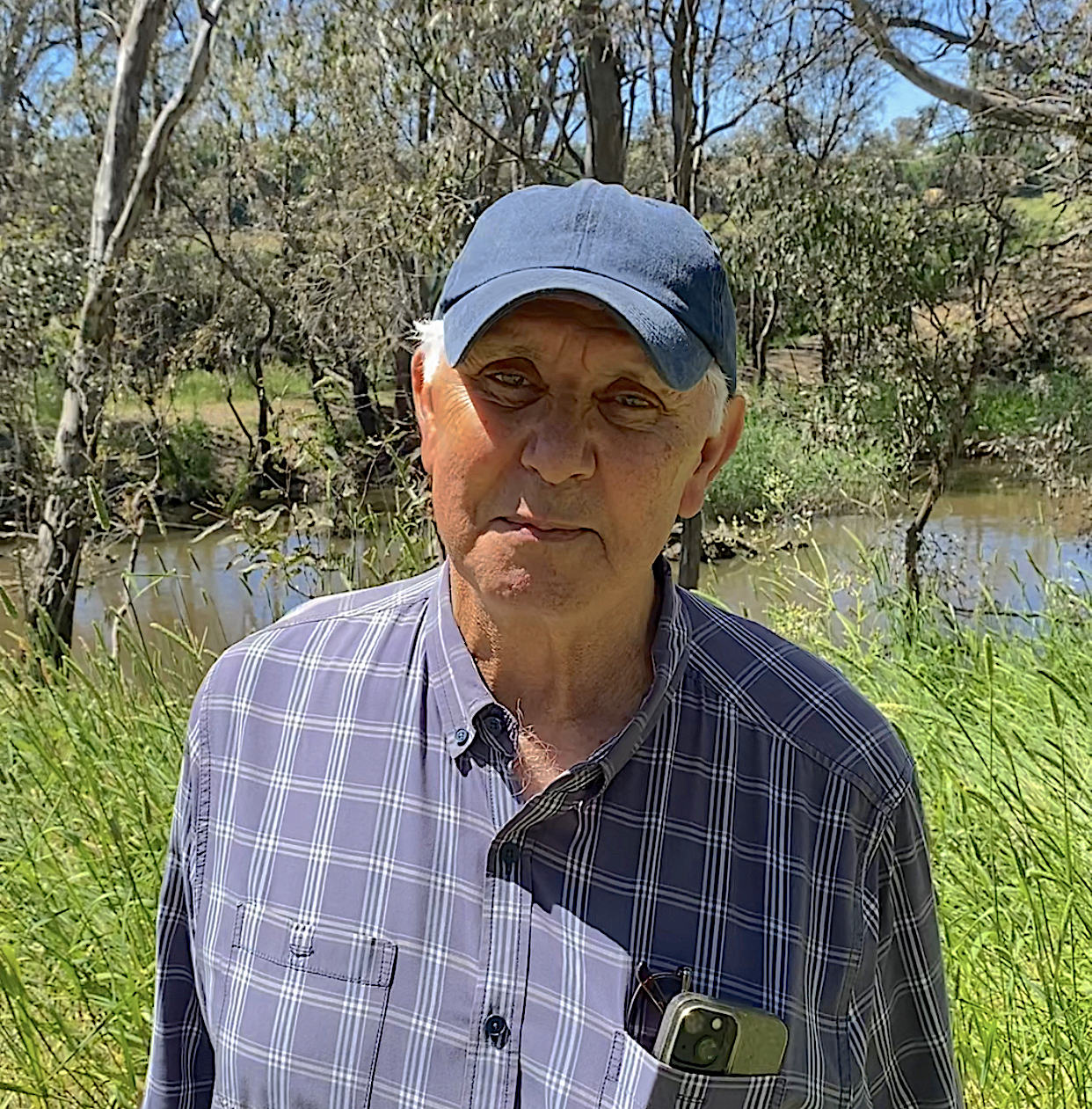
Uncle Graham told National Indigenous Times there's hope with the strategy of "healing" the Capaspe for future generations.
Gatjin Policy Manager Caitlin Donnolly-Lee said "crappy" decision making had led to the current situation.
"Our country is sick and a poor history of crappy water management decisions continue to make it sicker. These decisions affect country and it's no longer just a Djaara or Aboriginal issue..it's becoming a national problem," he said.
"We have obligations to continue to heal and care for our country and not having a say over water it's a direct threat to those obligations.
"We want to have a say. This strategy tells you how we want to have that say."
Ms Donnolly-Lee told National Indigenous Times water delivery across country, future Djaara ownership of water, water recycling, and ngaldurrong yana (walking together) with existing organisations are leading elements of the plan, among others.
She said some groups, like City of Greater Bendigo and North Central Catchment Management Authority have engaged for some time, but further involvement is required.
Implementation Control Group member Anna Lamont, from local water management group Coliban Water, said "the water industry is facing the need for transformation and vision, so I think the timing is really critical for this strategy".
Ms Lamont agreed "country is sick" and commended the "systemic approach" of the strategy.
"No strategy is a good strategy unless it can be implemented. And I have the privilege of being on the group that can come together to enable this shared change to happen," she said.
Cultural knowledge is something hoped to be harnessed.
"I truly believe the reason that country is the way that is today is because the traditional owners haven't been listened to. They've worked this land for a really long time. They know this land," Ms Donnelly-Lee told National Indigenous Times.
"I think Djaara knew and still know how to care for country in a way that the rest of the state probably still needs to learn to."
Dja Dja Wurrung Group chief executive Rodney Carter said launching the strategy gave him "immense pride".
Mr Carter told National Indigenous Times the significance of water to Djaara to draws a line to the significance of articulating his people's thoughts and plans in writing.



