



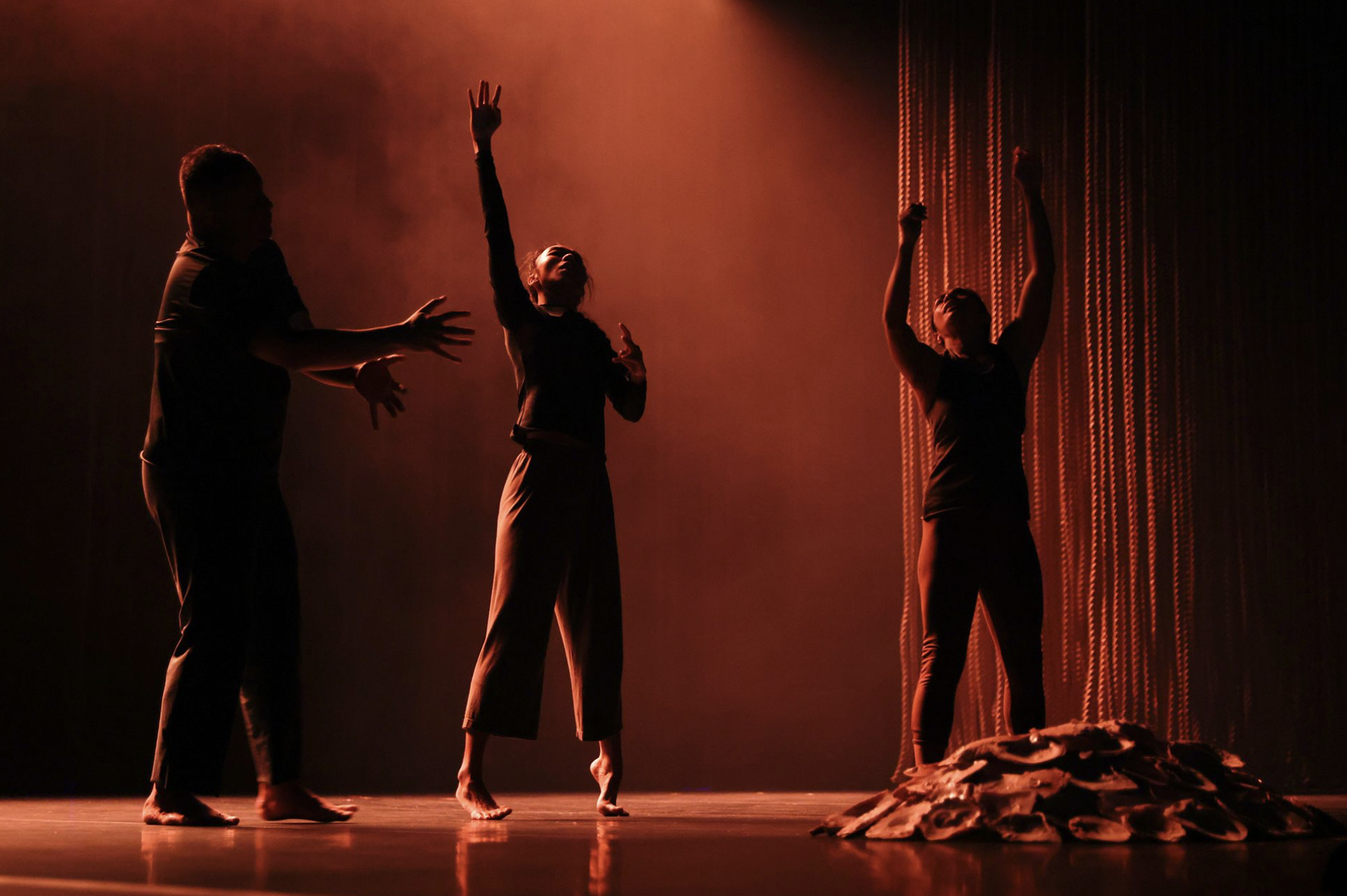
Mutiara, a choreographic narrative, is a powerful depiction that draws inspiration from the tragic and rich history of Broome's pearling industry.
The captivating dance transports us to the 1870s from the dark days of blackbirding, a cruel practice where pearling masters forcibly abducted indigenous people from the Kimberly region and forced them into the freediving world.
The industry's harsh conditions persisted for decades, exploiting indentured Asian workers until the early 1970s when the era of hard hat diving came to an end.
Indigenous intercultural dance theatre company Marrugeku sheds light on the often overlooked connections between the First Peoples of the Kimberley and the workers of the Malay diaspora.
Throughout the hardships a bond was forged, many of the migrant workers and the Yawuru people lived, worked and suffered together.
Marrugeku Artistic Co-director, choreographer and Yawuru Bardi women Dalisa Pigram, who also has Malay heritage, said Mutiara started from a conversation with a Malay Broome Elder Ahmat Bin Fadal about his work as an indentured diver in the 1960s and his interactions with the Yawuru people.
"Growing up in Broome you see it reflected in the fabric of the community, the pride and the joy the Malay community people brought to our town and our place and I can imagine to the industry," she said.
"The fact that even in Broome there are statues of other contributing cultures, especially if it was to do with money and success…not a lot is written or displayed with that pride on the outside for the Malay contribution.
"This piece is our way to bring that to the surface…we see them, we feel them, we understand them, we are connected to them and we honour them, so we really wanted to contribute to telling that part of our history."
The dancers draw inspiration from Silat, Yawuru, and Minangkabau dance, infusing their performance with a distinct regional choreographic fluidity that reflects their profound connection to the land and sea.
Through their graceful movements, they embody the rhythmic ebb and flow of the ocean, commemorating, healing, and reimagining narratives of coexistence, love, resilience, and survival.
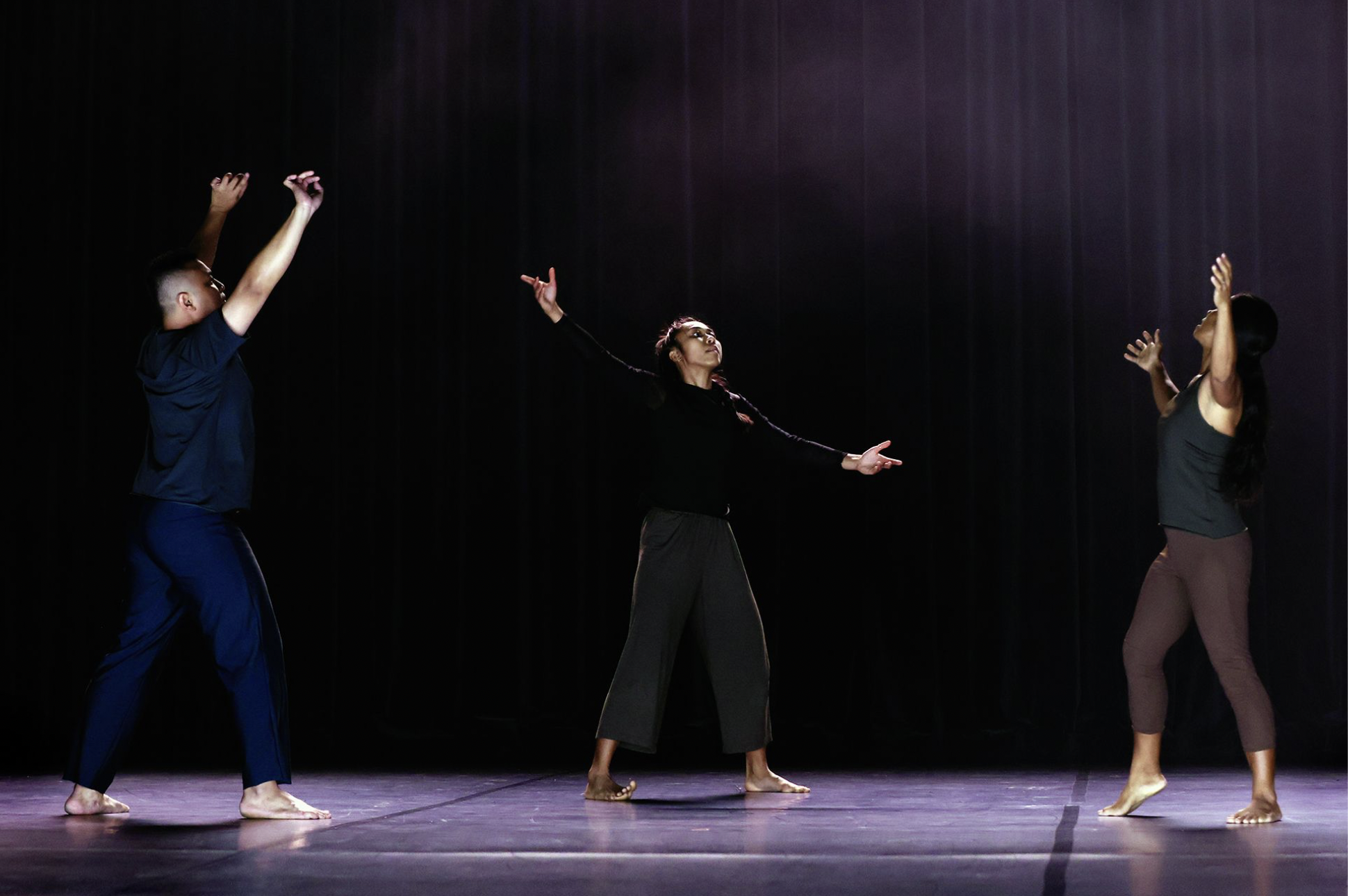
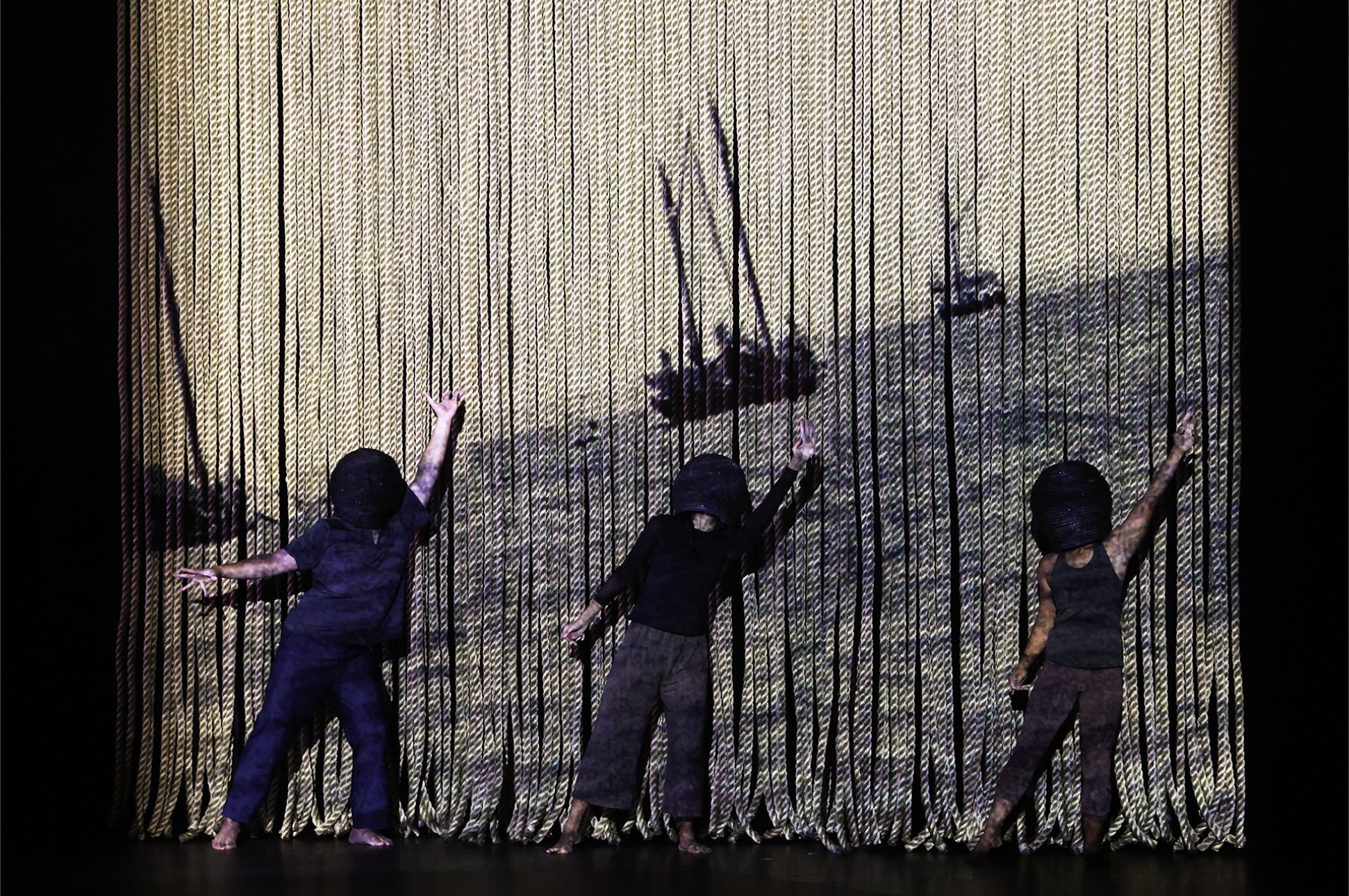
The captivating performance blends dance, soundscape, and visual artwork, providing a tantalising glimpse into a world of extraordinary beauty where ancestral tales are shared, ancient bones resonate with voices, and the diver yearns for the embrace of home in the depths below.
Some of the themes Mutiara explored through the dance, choreography and storytelling are feelings like being alienated, said Ms Pigram who elaborated the Asian men who came to Broome often had their passports taken away from where they could not go home.
"For Ahmat who travelled from Singapore as a young man in a suit and tie, thinking he was arriving in a bustling city, arrived on the red dirt of Yawuru country and he cried," she said.
"He didn't know where he was or what his job was going to be, he didn't know he was going to be diving underwater, he didn't know a lot."
During this time in Broome a myth had risen where the pearl masters believed that pregnant Indigenous women had larger lung capacity, so they were forced to dive even though Aboriginal women weren't allowed on the boats.
"Our attempt at truth telling is to uncover these histories that many Australians, let alone the rest of the world know about, that happened here in this country," said Ms Pigram
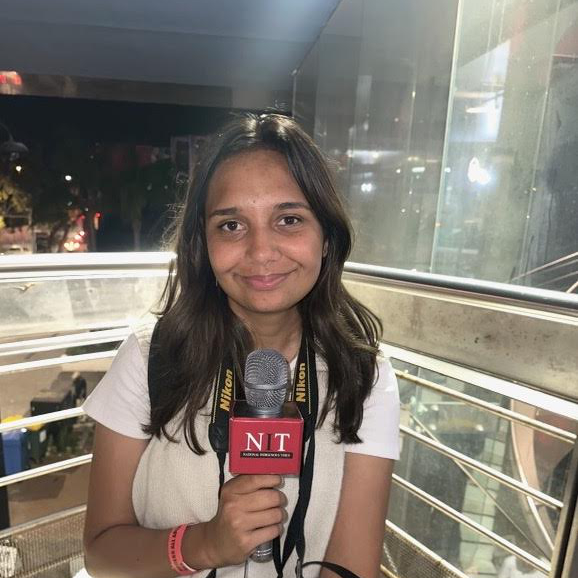
Malaysian choreographer and researcher Soultari Amin Farid is part of the collaborative effort between the artists of Indigenous and Malay backgrounds, which also includes Mr Bin Fadal.
"Another theme drawing upon Ahmat's story was the treacherous professional that was the pearl diving itself…[Ahmat] told us this story of when his oxygen cut out and how he was trying to get air, in an abstract way we included it," he said.
"Of course that is involvement in the work itself, recapping those moments of how he felt when his air was cut and how he was thinking of his mum and thinking of god and how that constantly went through his mind every time he goes down from the boat into the sea itself."
This parallel narrative sheds light on the broader Australian experience of migration and the sense of displacement that comes with not belonging. Within this shared space, the migrant workers and the Yawuru people coexisted, toiled, and endured hardships together.
"This is not a history that we as Malay people and Singaporeans are aware of and it was a wonderful experience researching about it and getting to know more about the experience,"Mr Farid said.
Mutiara, which translates to "pearl", celebrates the resilience, love and the strength of ancestors and honours the unsung bond between First Peoples of the Kimberley and seafaring Malay peoples during a time of colonialism.



