




Professor Marcia Langton AO, a distinguished anthropologist, geographer, and the Foundation Chair of Australian Indigenous Studies at the University of Melbourne, has dedicated her career to honouring and sharing Indigenous knowledge systems.
As a proud granddaughter of the Yiman and Bidjara peoples of Queensland, where she was born and raised, Professor Langton's work is rooted in a lifelong commitment to Indigenous heritage, advocacy, and education.
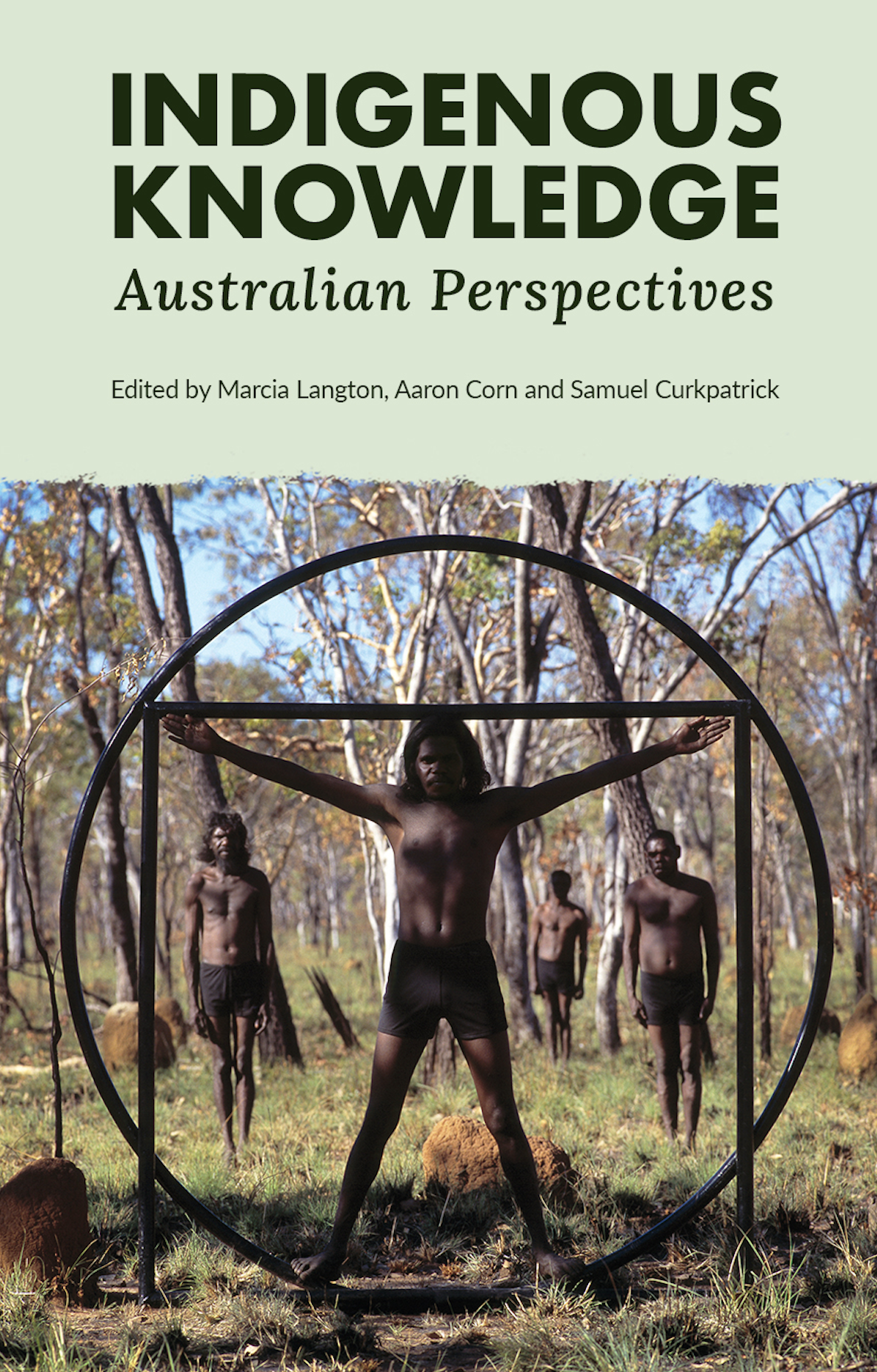
Her recent co-edited book, Indigenous Knowledge: Australian Perspectives, offers a comprehensive exploration of the powerful insights that Indigenous knowledge can bring to some of today's most pressing issues.
In collaboration with co-editors Aaron Corn and Samuel Curkpatrick, Professor Langton brings together Indigenous Elders, scholars, and practitioners in a groundbreaking collection that spans disciplines from environmental management to mental health, agriculture, and astronomy.
The book invites readers to reflect on profound questions: How are we to live well with others? How can we sustain abundant environments and nourishing cultures? How might connections to place and past generations strengthen our cultural, political, and economic futures?
Professor Langton emphasises that Indigenous knowledge has guided First Nations communities for tens of thousands of years.
"It is not a static tradition—it is a living, evolving practice. Indigenous knowledge traditions carry understandings of ancestral histories, coastal inundations, and other major climate changes, as well as patterns of behaviour for how to live well on country, manage the environment, provide for material needs, and maintain social balance," she said.
Australia's approach to Indigenous knowledge research, Professor Langton notes, is unique in the global context. The book's interdisciplinary collaboration respects the contributions of Indigenous knowledge holders, ensuring that they are credited as co-authors and intellectual property holders.
"This model exemplifies a deeply respectful and ethical approach to research that centres Indigenous perspectives," said Professor Langton.
She adds that this approach allows the voices of Indigenous Elders and knowledge holders to be not only preserved but also integrated into contemporary research and policy discussions. Impacting fields as diverse as medicine, social development, and environmental sustainability.
One of the book's standout chapters, "Deepwater Knowledge: Indigenous Recollections of Rising Ocean Levels," underscores the depth of Indigenous knowledge and its implications for climate resilience. This chapter recounts Aboriginal narratives of coastal inundations that occurred thousands of years ago, mapping changes with remarkable accuracy.
"This knowledge is invaluable, especially as we look to climate change adaptation. Indigenous communities have survived and adapted to dramatic environmental changes in the past, providing a model for resilience that modern science can learn from," said Professor Langton.
"The ongoing impact of rising sea levels on communities today—particularly in the Torres Strait, where Indigenous groups have raised their concerns on a global stage—shows just how essential Indigenous knowledge is to understanding and addressing these changes."
Another key chapter explores the customary water rights of Australia's tropical savannas. For Indigenous communities, water is more than a resource—it is a vital element of cultural identity, governed by traditional laws and practices.
Professor Langton explains the critical tension between Indigenous water rights and modern regulatory systems, pointing to the importance of involving Indigenous voices in water management to promote sustainable and equitable practices.
"These traditional practices, often backed by generations of environmental stewardship, provide valuable frameworks for contemporary environmental management," she said.
"Indigenous knowledge offers practical and ethical guidance on managing resources in a way that ensures sustainability for future generations."
The book also delves into Indigenous approaches to health and well-being, particularly the work of traditional healers, or Ngangkari. Recognised for their contributions to mental health, these healers combine spiritual and physical practices to address a range of health needs.
Ngangkari healers often work alongside Western practitioners in remote hospitals, where they help build trust and provide holistic care that strengthens community well-being. Professor Langton describes these traditional healers as: "Extraordinary practitioners whose work in mental health is increasingly acknowledged."
"They offer holistic care that addresses not only the physical but also the emotional and spiritual health of their patients."
This collaborative approach, where Ngangkari and Western doctors work together, highlights the strengths of integrating traditional and modern health practices.
Indigenous Knowledge: Australian Perspectives is more than an academic work; it is a call to action.
"The world's contemporary challenges," Professor Langton said.
"Can be addressed through conversations with our ancestral pasts and the ancestral futures we are shaping today."
From land and sea management to cultural continuity and sustainable agriculture, Indigenous knowledge offers essential perspectives on how to thrive in harmony with the land.
As Professor Langton reflects on the book's impact, she hopes that it will inspire a wider appreciation for the complexity and depth of Indigenous knowledge systems.
"Indigenous knowledge is fundamental to understanding how to live well, care for the environment, and sustain the diversity that enriches our world," she said.
Indigenous Knowledge: Australian Perspectives bridges the gap between ancient wisdom and contemporary challenges, inviting readers to learn from the past to create a better future.
Through the voices of Indigenous Elders, scholars, and practitioners, it presents a vision for a sustainable, interconnected world—one that honours and respects the knowledge systems that have sustained life in Australia for countless generations.



