



School attendance in WA's West Kimberley is among the State's lowest, however a re-engagement program is getting kids back in class.
The Marra Worra Worra Aboriginal Corporation (MWWAC), based in Fitzroy Crossing, runs the Dalja program which supports Fitzroy Valley District High School (FVDHS) students from Fitzroy Crossing and about 40 nearby remote Aboriginal communities.
Last year, building on MWWAC's work, the Dalja program—funded by the National Indigenous Australians Agency (NIAA)—helped FVDHS staff re-enrol 56 students and supported 120 students' re-engagement with the school.
The results are significant, given that in 2025, 72 per cent of FVDHS secondary students were absent on an average day—over three times the statewide average of about 20 per cent.
A framework described by Dalja program coordinator Luke Sims as offering "culturally safe, community-based support" and relying on students' family support drives this positive change.
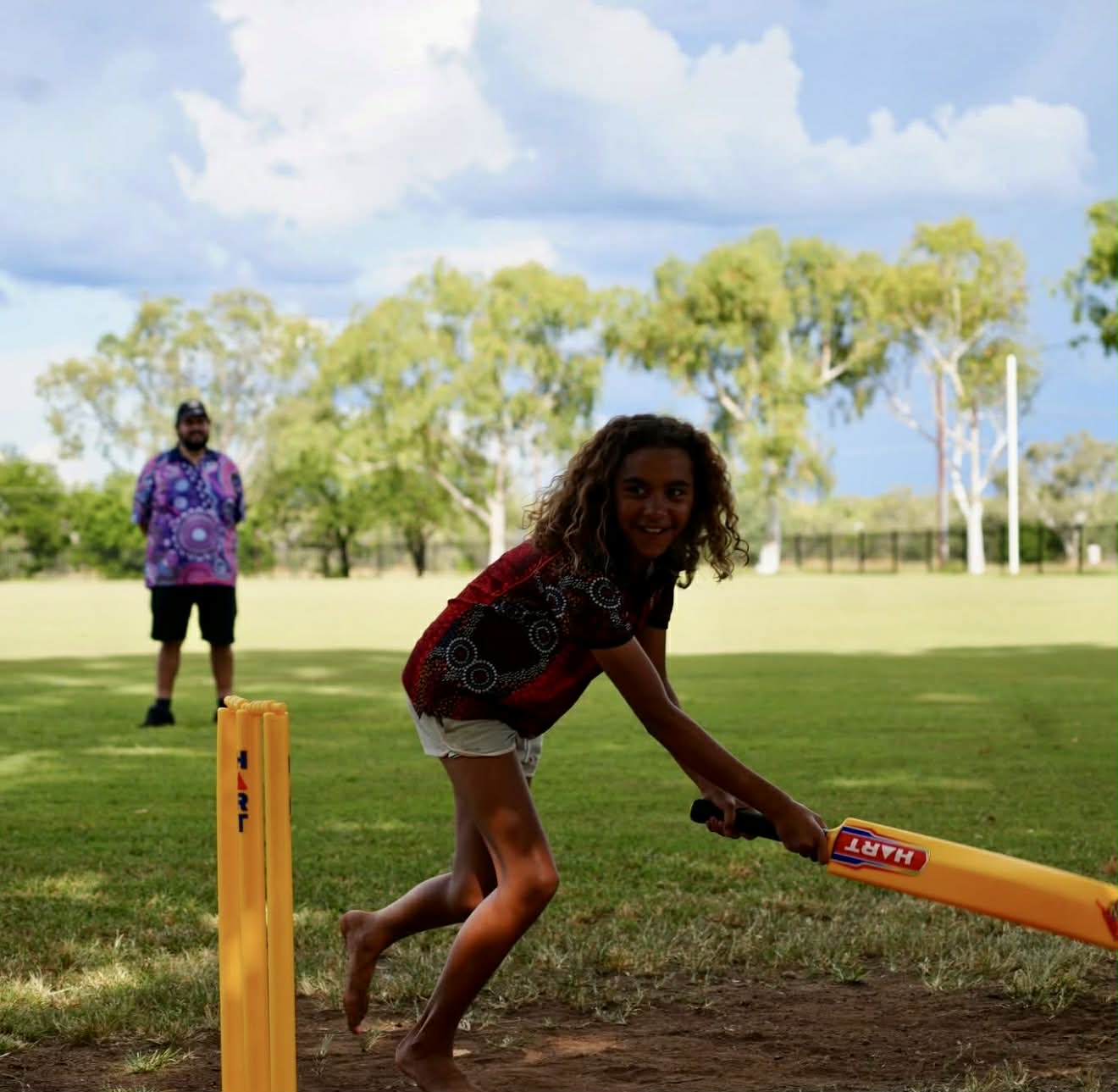
"We work with families first—building trust and getting permission before re-engaging young people in school," Mr Sims told National Indigenous Times.
In addition to family involvement, another factor keeping young Aboriginal people engaged is the variety of Dalja program activities, including in-class support, on-Country trips, sport, and evening engagement through MWWAC's Night Space.
"From breakfast until after dinner, we engage with these kids and build real relationships," Mr Sims said.
While the program continues to prioritise student re-engagement with school, staff say employment pathways may offer a more realistic option for some extremely disengaged young people.
"We know some young people are so disengaged with school; a more realistic path is employment training," MWWAC head of community programs, Nicola Angell, said.
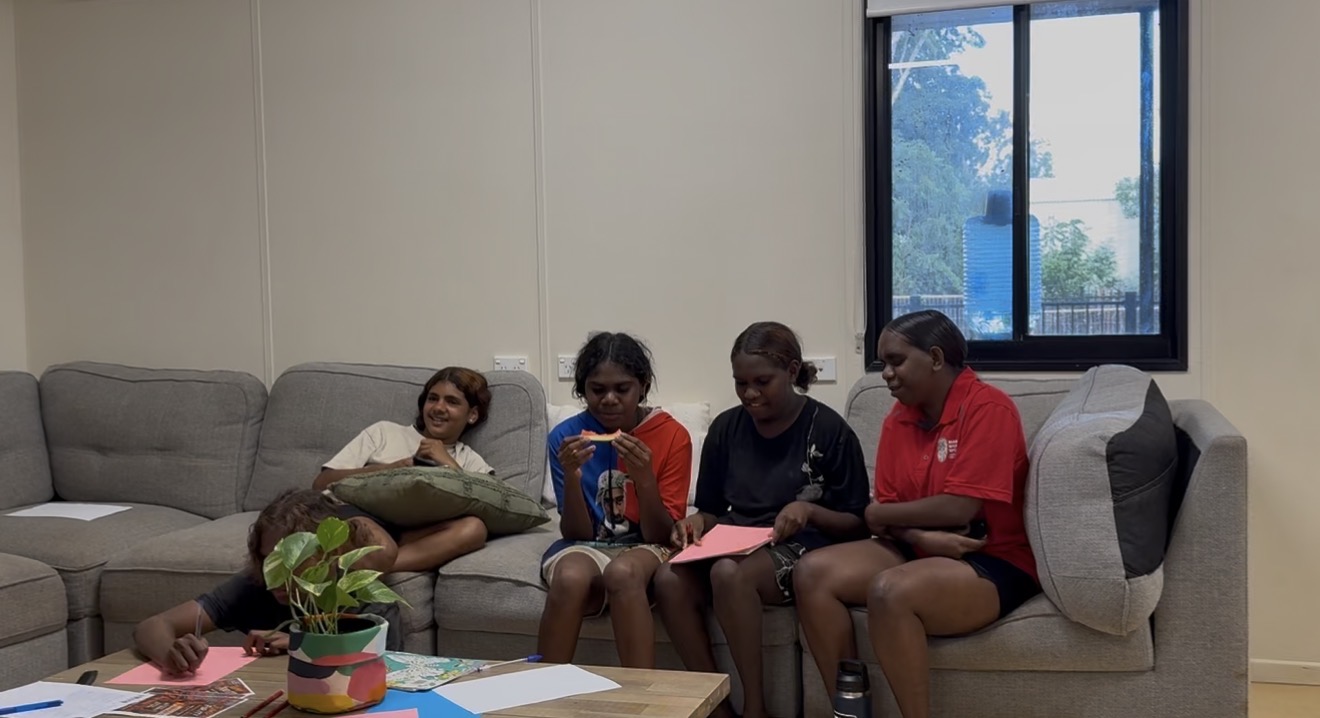
To support this, the Bush Barber Program introduces boys to barbering skills and to a career that is not available in the Fitzroy Valley, where there are no barbershops.
Similarly, young women are participating in a fashion program, designing a capsule collection debuting at this year's Kimberley Aboriginal Fashion Textiles and Art (KAFTA) show in Broome.
Dalja, which means "growing up kids" in the Bunuba language, has a cyclical element. Many former program students now mentor the next generation, Ms Angell says.
Staff say even brief exposure can change how young people see their future.
"For a lot of these kids, it's the first time they're seeing what's possible for them here — not somewhere else, but in their own community," Mr Sims said.



