



A new $3 million national research centre will focus on improving ear health outcomes for Aboriginal and Torres Strait Islander children.
The National Health and Medical Research Council has awarded the funding to establish the NHMRC Centre of Research Excellence for Healthy Muku for Kids.
Muku means "ear" in Gathang, the language of the Birrbay, Guringay and Worimi people.
The Indigenous-led centre will be coordinated by the University of Newcastle and bring together researchers, clinicians and health experts from more than 12 institutions across Australia.
Its work will focus on otitis media and hearing loss, which continue to disproportionately affect Aboriginal and Torres Strait Islander children.
Aboriginal and Torres Strait Islander children experience ear disease at twice the rate of non-Indigenous children and are also twice as likely to be hospitalised with an ear infection.
They are, however, less likely to receive surgical treatment for otitis media.
The centre will be led by Worimi man Professor Kelvin Kong, Australia's first Indigenous ear, nose and throat surgeon.
Professor Kong told Hearing Practitioner Australia the consequences of untreated hearing problems could extend well beyond childhood.
"Hearing loss is a developmental emergency," he said.
"For children who face barriers in accessing timely ear health care, including many Aboriginal and Torres Strait Islander children and those living in rural and remote communities, delayed ear treatment doesn't just affect hearing.
"It impacts learning, confidence and connection.
"If you can't hear that well, then you can't learn, so if you're not hearing well over those first four years of your life, your neuroplasticity and brain development is affected, and therefore, by the time you go to kindergarten or start school, you're already behind."
Professor Kong said the centre would place Aboriginal and Torres Strait Islander leadership and community involvement at the centre of its work.
"This gap is not inevitable, it is the product of underfunded services, fragmented systems, and a health system too often built without Aboriginal and Torres Strait Islander leadership at its centre," he told Hearing Practitioner Australia.
The centre will develop a national framework to better detect and understand the causes of ear disease, while working with communities to improve prevention and treatment.
Researchers will also examine how ear and hearing health services can be redesigned to improve access and provide models which can be used across different communities.
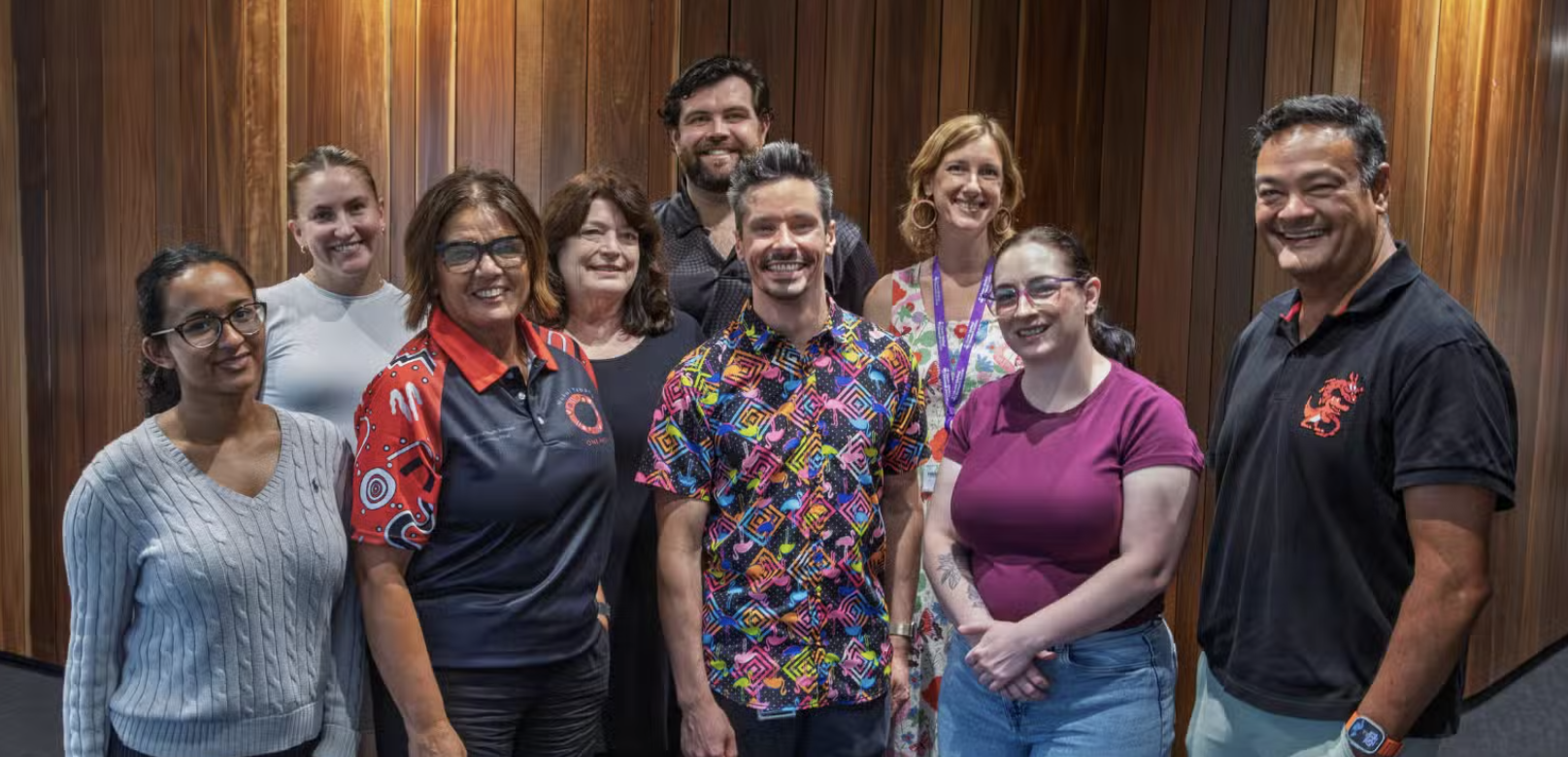
Wailwan man Dr Guy Cameron, a University of Newcastle researcher and junior medical officer, is among those involved in the project.
"My passion lies in ensuring that all kids, particularly Aboriginal and Torres Strait Islander children, have access to improved healthcare and treatments for otitis media, helping them access the care and treatment they need to thrive," Dr Cameron said.
Professor Kong said improving services for Indigenous children could ultimately produce better outcomes across the country.
"Working to improve outcomes for Aboriginal and Torres Strait Islander children will drive innovations that enhance ear health for all Australian children," he said.



