



A new documentary is drawing attention to the difficulties Aboriginal and Torres Strait Islander people face when accessing kidney transplants.
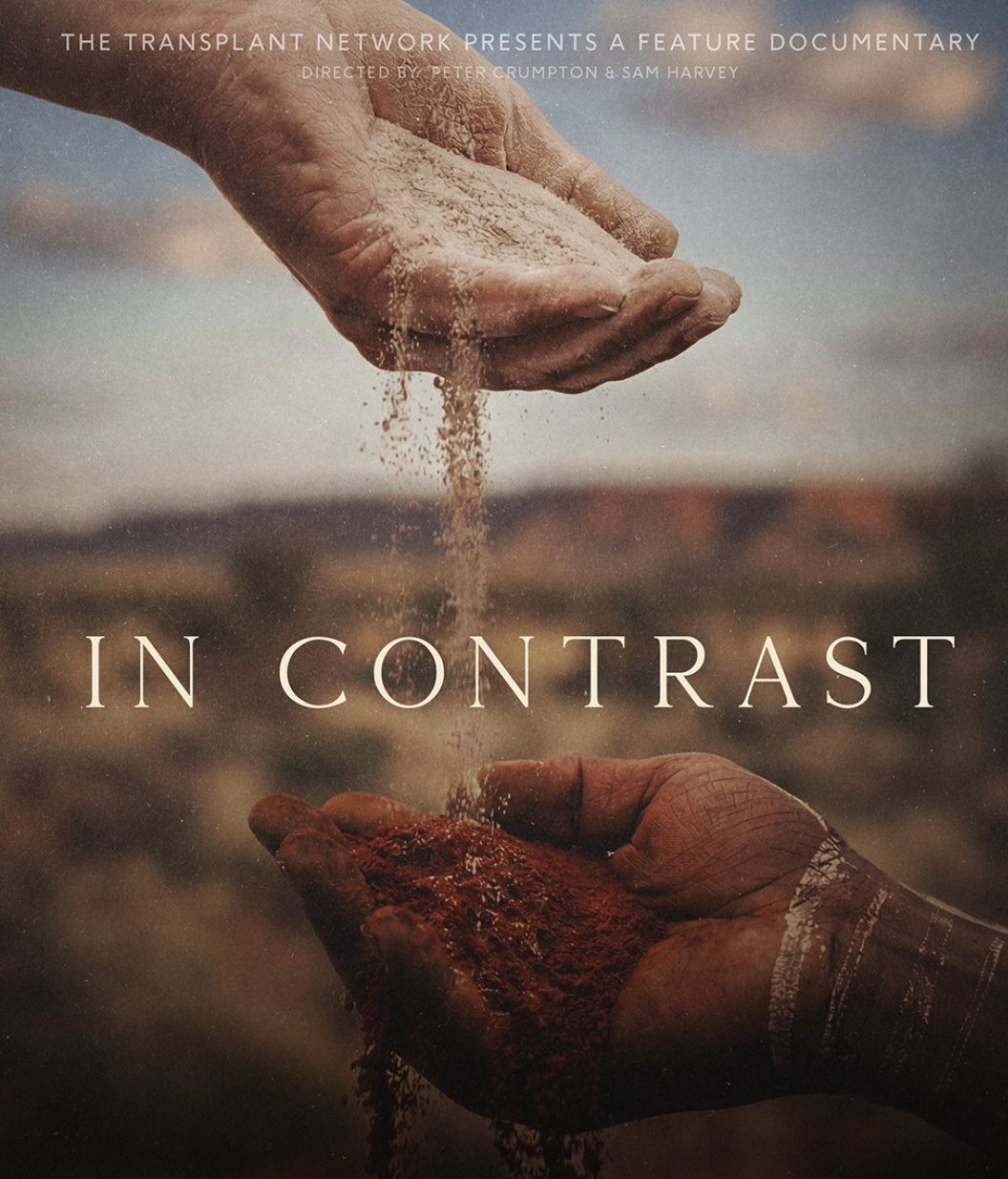
In Contrast examines the significant differences in kidney disease treatment and transplant outcomes between First Nations and non-Indigenous Australians.
Produced by The Transplant Network, the film features interviews with Indigenous patients and their families, alongside healthcare professionals who have seen the challenges faced by those requiring treatment.
The documentary recently premiered in Sydney and Adelaide, with plans underway for further screenings across the rest of the country.
The Transplant Network founder Peter Crumpton, who is also an organ transplant recipient, helped develop the documentary after recognising the significant inequalities which exist within Australia's healthcare system.
Crumpton travelled to remote communities to hear directly from people affected by kidney disease.
Speaking to the ABC, Crumpton said the documentary featured approximately 10 people sharing their experiences.
"My hope for the documentary is that people realise that this gap exists and that there are solutions to fix it," he said.
Among those featured in the documentary is Kaurna, Narungga and Ngarrindjeri woman Kelli Karrikarringka Owen, a public health researcher who received a kidney transplant in 2016 after spending approximately three years undergoing dialysis.
Owen lives with Alport syndrome, a genetic condition that affects kidney function.
She previously travelled from Murray Bridge to Adelaide several times each week to receive treatment, which placed considerable pressure on her family.
Owen told the ABC relatives had offered to donate a kidney but were refused by the medical system, something she believes was influenced by their Aboriginal background.
She hopes the film will also encourage greater awareness of kidney disease, which can develop without noticeable symptoms.
"It's a silent disease and we don't want to make it silent anymore," she said.
The documentary comes as the disparity in kidney transplant outcomes for First Nations Australians continues to be highlighted.
According to the Australian Institute of Health and Welfare, just 18 per cent of Aboriginal and Torres Strait Islander people receiving kidney replacement therapy had a functioning kidney transplant in 2024.
That figure was almost 49 per cent among non-Indigenous Australians, with the majority of First Nations patients continuing to rely on dialysis.
Access to specialist medical services remains another challenge, particularly for people living in regional and remote communities.
Adelaide University nurse researcher Professor Janet Kelly told the ABC the location of healthcare services continued to create difficulties for Aboriginal patients.
"A lot of our services are based within major cities and often half of Aboriginal people will live in cities, but half live in rural and remote places, so there is an immediate challenge to accessing equitable services," she said.
"There is a need for more specialist visiting rural and remote locations and providing clinics there."
Following its initial screenings, the filmmakers are hoping to bring In Contrast to more audiences across the country in the coming months.



