




When St Vincent's Hospital in Naarm introduced a policy ensuring Indigenous patients were triaged within 30 minutes of arrival, the results were immediate.
"Since introduction, we have successfully closed the gap in ED [Emergency Department] wait times between First Nations and non-Indigenous patients," Chief Executive Nicole Tweddle said.
"In a health landscape where 'closing the gap' success stories are few and far between, that was something to celebrate."
It was, by all accounts, a rare moment of measurable progress. The hospital - tired of "good intentions" which failed to deliver change - took concrete action after data showed First Nations patients were three times more likely than others to leave the emergency department without being seen.
In short, the changes worked.
The Victorian Aboriginal Community Controlled Health Organisation (VACCHO) commended St Vincent's for improving cultural safety "within the clinical rules of triage, not outside them," noting that racism remains pervasive in hospitals, especially in emergency waiting rooms.
That finding is echoed by the Australian Human Rights Commission, which this year concluded racism in healthcare remains a critical cause of chronic illness, poor outcomes, and premature deaths.
"The cumulative effects of racism manifest in consistent poor mental health, increased chronic disease risk and reduced life expectancy, highlighting the urgent need for change," the report found.
By that logic, St Vincent's policy should have been seen as an evidence-based, practical step towards health equity - saving lives, improving access, and reducing future costs to the system.
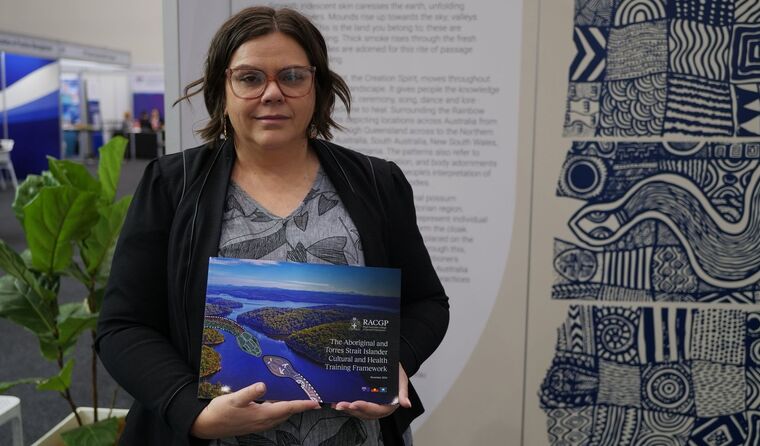
Acting president of the Australian Indigenous Doctors' Association (AIDA), Dr Olivia O'Donoghue, said the policy was a real-life example of closing the gap, responding to well-known disparities in healthcare.
"Any attitude to the contrary undermines the work being done to create a culturally safe hospital system that ensures Aboriginal and Torres Strait Islander people receive equitable access to excellent and safe healthcare," Dr O'Donoghue said.
VACCHO chief executive Jill Gallagher, herself a cancer survivor and long-time health advocate, said Indigenous people "have an absolute right to access healthcare free from racism".
"All hospitals need to work hard to build and maintain the trust and confidence of people who have historical reasons to fear these places," she said.
"We recognise and applaud every hospital that takes action to eliminate racism - especially in Emergency Department waiting areas."
But the backlash was swift and familiar.
Despite the policy having no impact on emergency department flow - and no evidence of anyone missing out on care - conservative commentators labelled it "apartheid".
News Corp columnists Andrew Bolt and Rita Panahi accused the hospital of racial favouritism, and the Herald Sun ran a cartoon implying people would falsely identify as Indigenous to receive expedited healthcare.
The Victorian Opposition claimed the policy was "the first glimpse at what Premier Jacinta Allan's divisive Treaty will look like," while former Royal Australasian College of Physicians president Professor John Wilson said the triage model was "creating an apartheid situation".
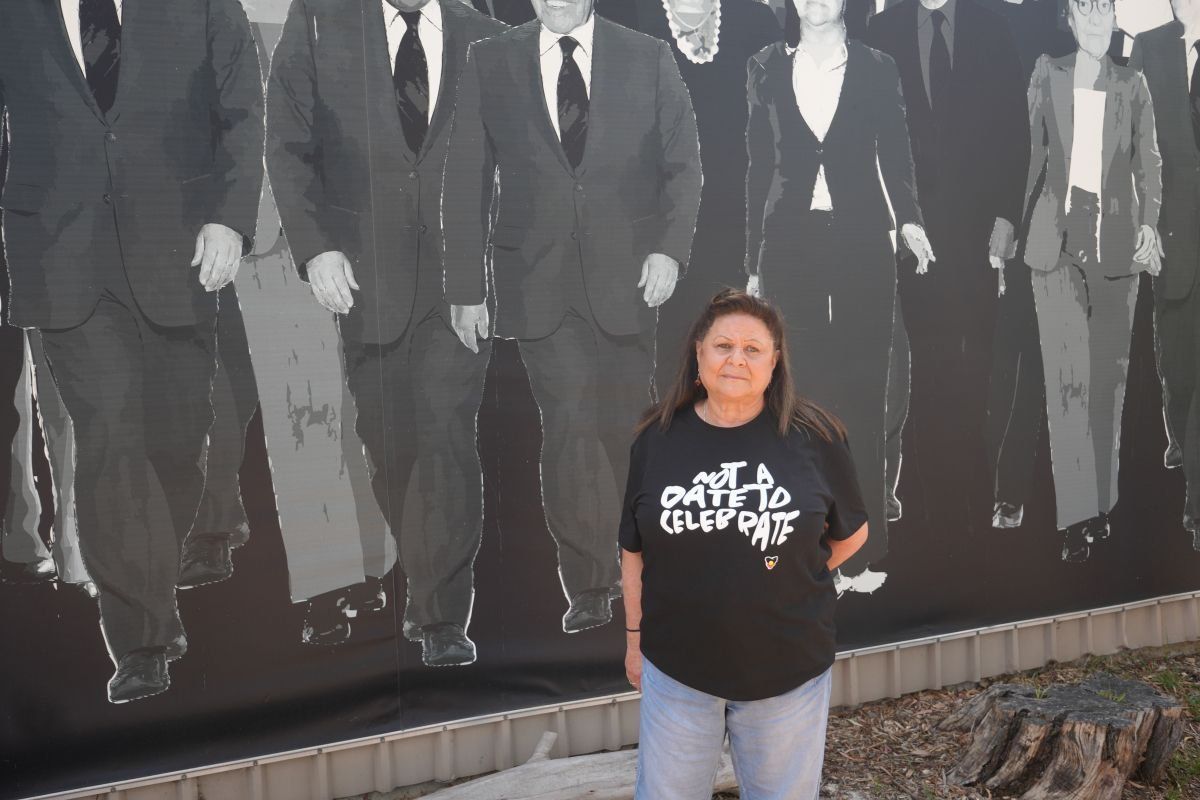
Ms Tweddle described the outrage as "an ugly and unnecessary display of wilful ignorance," and said her staff had endured "disgraceful" public abuse for simply doing their jobs.
It is a pattern that repeats with wearying predictability. Policies designed to close the gap are routinely dismissed as divisive - not because they create division, but because they so often expose it.
The Voice referendum was branded "apartheid" and "racist," whilst Victoria's Treaty process has been derided as separatist, often with people misrepresenting it as a system of two sets of laws.
As Indigenous legal scholar Professor Larissa Behrendt observed in her recent Boyer Lecture: "One of the hardest barriers in fighting for a greater protection of rights is the misconception that granting rights to one sector of the community deprives another of it. Rights are not a zero-sum game."
The cost of misunderstanding that principle is real.
.jpeg)
In 2021, Kamilaroi-Dunghutti man Ricky "Dougie" Hampson Jr, a 36-year-old father of eight, died after being discharged from Dubbo Hospital without a CT scan, despite reporting "ten out of ten" pain.
An inquest found his death "totally unnecessary" and "preventable". The treating doctor admitted cognitive bias had contributed to the misdiagnosis, and the coroner ruled Aboriginality must be a key consideration in healthcare delivery - saying so-called "colour-blind" treatment ignores the reality of systemic inequality.
After the inquest, Ricky's father, Rick Hampson Snr, was blunt.
"We would also like to see more signage regarding the importance of stopping racism and how it kills our people when seeking life-saving treatment, and signage of Dougie's case to remind all health staff the importance of treating all people equally."
Ms Tweddle said the distinction between equality and equity is simple: "Equality is giving every person a pair of the same-sized shoes. Sounds nice at first, but it would be unworkable. Equity is making sure that everyone has a pair of shoes that fits them."
No one is missing out. No one is harmed. The St Vincent's model is not preferential. Rather, it is corrective. It is what healthcare should be.
And as Aboriginal and Torres Strait Islander Social Justice Commissioner Katie Kiss said earlier this year: "Racism makes First Peoples unwell, and racism is stopping First Peoples from getting better."
"It's unacceptable that First Peoples are dying from diseases that have been eradicated in the rest of the population decades ago. This needs to urgently change."
St Vincent's is trying. The worry is the backlash will stop others from doing the same.



