




Inflammatory claims about hospital treatment for Indigenous patients in Victoria are "opportunistic, uninformed and deeply concerning," according to the peak body for Aboriginal and Torres Strait Islander doctors.
Last week, the Herald Sun reported Indigenous patients were "receiving fast-tracked care over other Victorians" at St Vincent's Hospital in Naarm, claiming the policy had "prompted warnings that prioritising care based on race risked undermining confidence in a public system already under intense strain".
St Vincent's Hospital has unequivocally defended the approach, calling it part of a wider initiative to improve access for Indigenous patients. All Indigenous patients are triaged as at least Category 3, meaning they should be assessed and begin treatment within 30 minutes of arriving.
The hospital says the measure has had no impact on overall emergency department flow, and comes after the Australian Human Rights Commission identified racism in healthcare as a key contributor to poor health outcomes.
St Vincent's said average wait times for Indigenous patients previously trailed those for non-Indigenous patients, but the new policy means wait times are now comparable for both.
Nonetheless, the policy has drawn criticism from commentators and opposition figures, with News Corp columnists Andrew Bolt and Rita Panahi likening it to "apartheid," the Victorian Opposition calling it "the first glimpse at what Jacinta Allan's divisive Treaty will look like," and former Royal Australasian College of Physicians president Professor John Wilson claiming the triage model is "creating an apartheid situation".
In response, the Australian Indigenous Doctors' Association (AIDA), the Australasian College for Emergency Medicine (ACEM), and the Royal Australasian College of Physicians (RACP) issued a joint statement condemning "divisive and racist comments opposing this policy, particularly from doctors in positions of authority," describing them as "opportunistic, uninformed and deeply concerning".
"Such inflammatory rhetoric deliberately undermines efforts to create a culturally safe healthcare system and perpetuates the systemic racism that continues to harm Aboriginal and Torres Strait Islander peoples," the statement said.
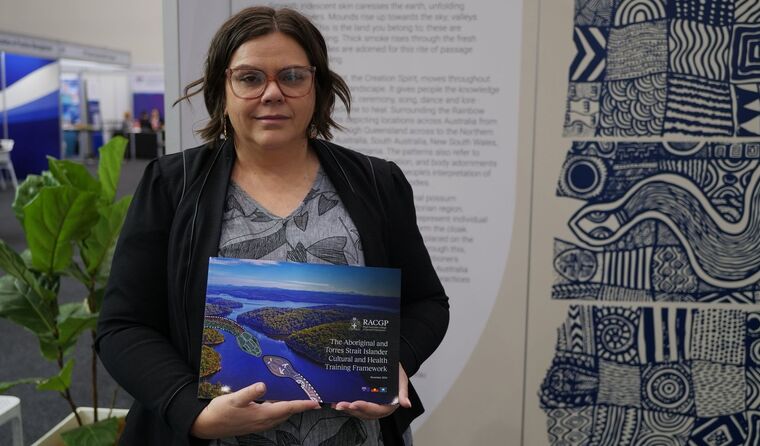
AIDA Acting President Dr Olivia O'Donoghue said the policy was "Closing the Gap in action" and aimed at creating equity, not preference.
"This policy is Closing the Gap in action and is a response to the well-documented disparities in health outcomes and access to timely care experienced by First Nations peoples," she said.
"Any attitude to the contrary undermines the work being done to create a culturally safe hospital system that ensures Aboriginal and Torres Strait Islander people receive equitable access to excellent and safe healthcare."
Emergency specialist and Wotjobaluk man, Dr Glenn Harrison, said the initiative was about "fairness, not favouritism," describing it as "a practical, evidence-based measure that helps close the gap in access without disadvantaging anyone else".
"The triage initiative is a practical, evidence-based measure that helps close the gap in access without disadvantaging anyone else," Dr Harrison said. "It's a step toward a more just, equitable and culturally safe health system."
In a statement, St Vincent's CEO Nicole Tweddle noted "hospitals have undoubtedly played a role, mostly through ignorance, in delivering very negative experiences for First Nations patients," which had led many to avoid or disengage from care.
"If you work in hospitals - as I have for more than 25 years - you learn pretty quickly why First Nations peoples distrust, and often fear, receiving care in such institutions," she said.
She argued the policy was is an example of healthcare equity in action.
"Recognising the unique challenges facing First Nations Australians and responding to them," Ms Tweedle said.
"And it's better for everybody. We have fewer patients in hospital beds they don't need; fewer patients having their treatment start again; and fewer patients coming back much sicker than they were."
In 2021, Kamilaroi-Dunghutti man Ricky "Dougie" Hampson Jr, 36, died after being misdiagnosed and discharged without a CT scan despite presenting with "ten out of ten" pain.
An inquest last year found the father of eight's death was "totally unnecessary" and "preventable" after the treating doctor admitted cognitive bias had contributed to the misdiagnosis. The coroner said Aboriginality must be a key consideration in healthcare delivery and called for specific training to improve treatment for Indigenous patients.
Ms Tweedle said the hospital was "sick of good intentions" regarding closing the gap and had decided to do something about it. The new triage policy was developed with the Victorian Aboriginal Health Service and First Nations staff and patients, and applies to only around two patients per day out of roughly 150 people seen in the emergency department.
"Patients presenting with a serious or life-threatening emergency - regardless of their background - will always be seen first," she said.
"We're not ignoring medical urgency. We're simply addressing the factors that were causing First Nations patients to be waiting three times longer than everyone else in our ED."



