




The peak body for Victoria's Indigenous community-controlled organisations says reporting on the state's hospital practices - amplified by the Victorian Opposition - is misleading and shows a lack of understanding about how emergency departments operate.
The Victorian Aboriginal Community Controlled Health Organisation (VACCHO) made the comments after recent coverage of - and commentary on - triage processes in Victorian hospitals.
Earlier this week, the Herald Sun reported that "Indigenous patients are receiving fast-tracked care over other Victorians" at St Vincent's Hospital in Naarm, claiming the revelations have "prompted warnings that prioritising care based on race risked undermining confidence in a public system already under intense strain".
According to the report, the hospital's approach is part of a broader effort to improve access for Indigenous patients, with staff advised to treat Aboriginal and Torres Strait Islander patients within 30 minutes of arrival.
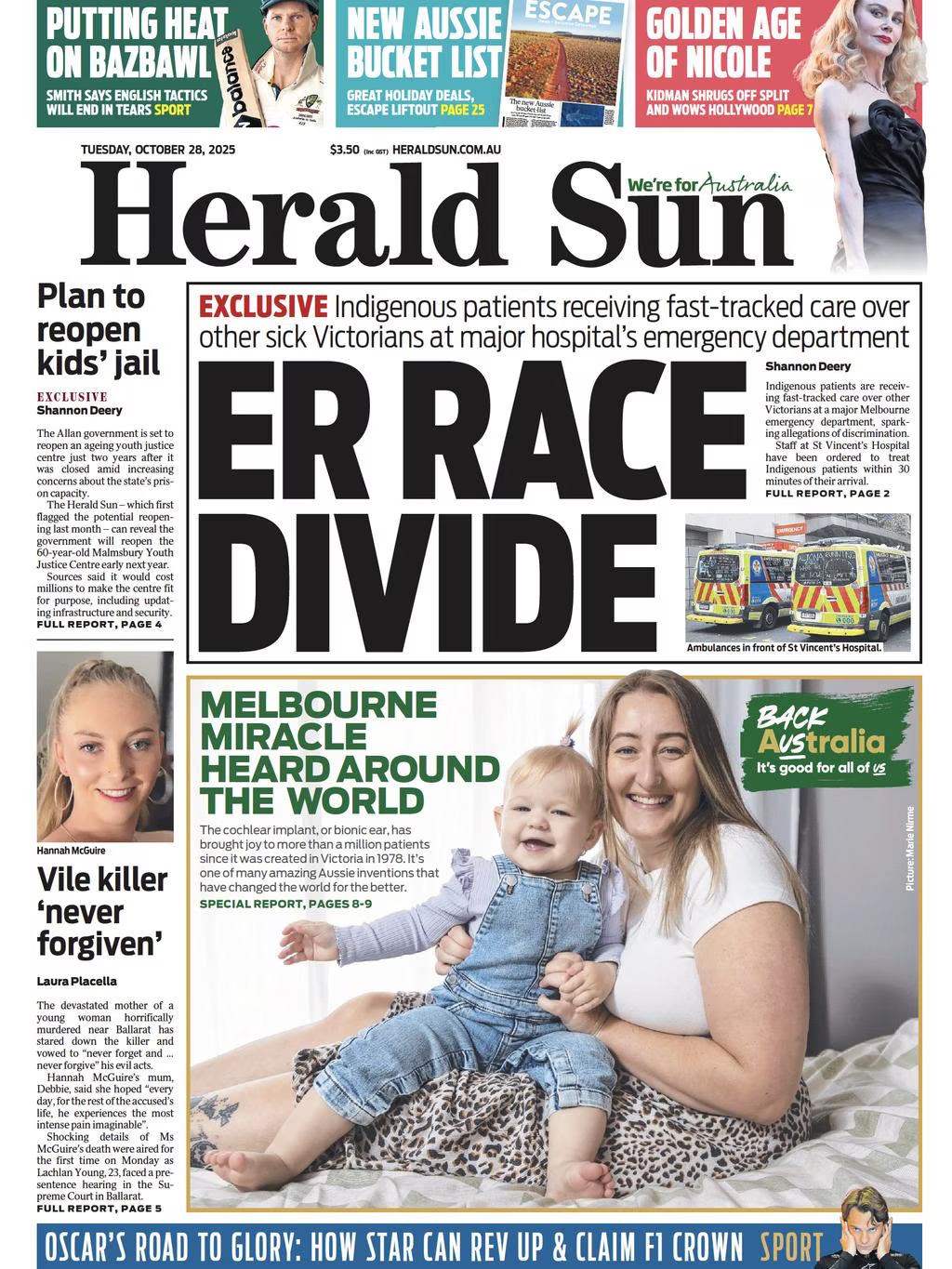
Two News Corp commentators - Andrew Bolt and Rita Panahi - compared the policy to "Apartheid", while the state's Opposition claimed it was "the first glimpse at what Jacinta Allan's divisive Treaty will look like".
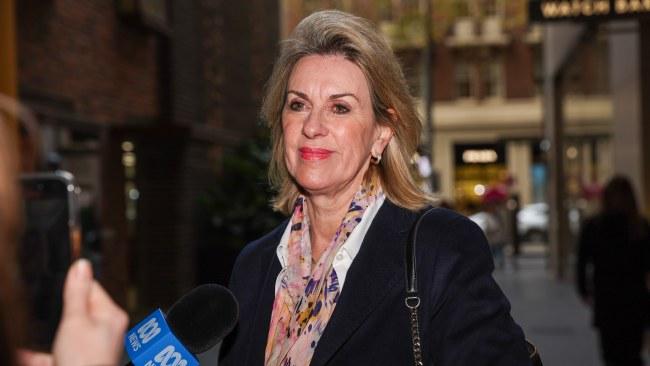
"The triaging of patients should be done on medical need, not based on the colour of your skin," Opposition health spokesperson Georgie Crozier said, as reported by the Herald Sun.
"This sort of discrimination will only divide our society."
VACCHO condemned the comments and the coverage, releasing a statement on Thursday saying "clinical urgency - not race - determines treatment in Victorian emergency departments".
"All hospitals follow the Australasian Triage Scale, ensuring patients are treated according to clinical need," a spokesperson said.
"The sudden attack on Aboriginal people in the media this week, fuelled by comments from Georgie Crozier, represents a shameful betrayal of that bipartisan legacy. We condemn it in the strongest possible terms."
VACCHO said Aboriginal and Torres Strait Islander people continue to face racism in hospitals, particularly in emergency waiting areas, and praised St Vincent's Hospital Melbourne for improving cultural safety "within the clinical rules of triage, not outside them".
The organisation also noted that efforts to make emergency departments culturally safe began under Victoria's previous Liberal Government through the Koolin Balit strategy, the first to explicitly address racism in public hospitals.
"VACCHO applauded that Liberal Government when Koolin Balit was launched, and we remind the current Liberal Party that it was a legacy to be proud of," the spokesperson said, calling the Opposition's recent comments a "shameful betrayal of a legacy of bipartisanship".
A St Vincent's spokesperson said research from the hospital's emergency department found that First Nations patients were, on average, "waiting longer to be seen compared to non-Indigenous patients."
"The research also showed First Nations patients were more likely to remain engaged with care if seen within their first hour of ED presentation," they said. "ED wait times for First Nations and non-Indigenous Australians are now comparable thanks to the introduction of this policy."
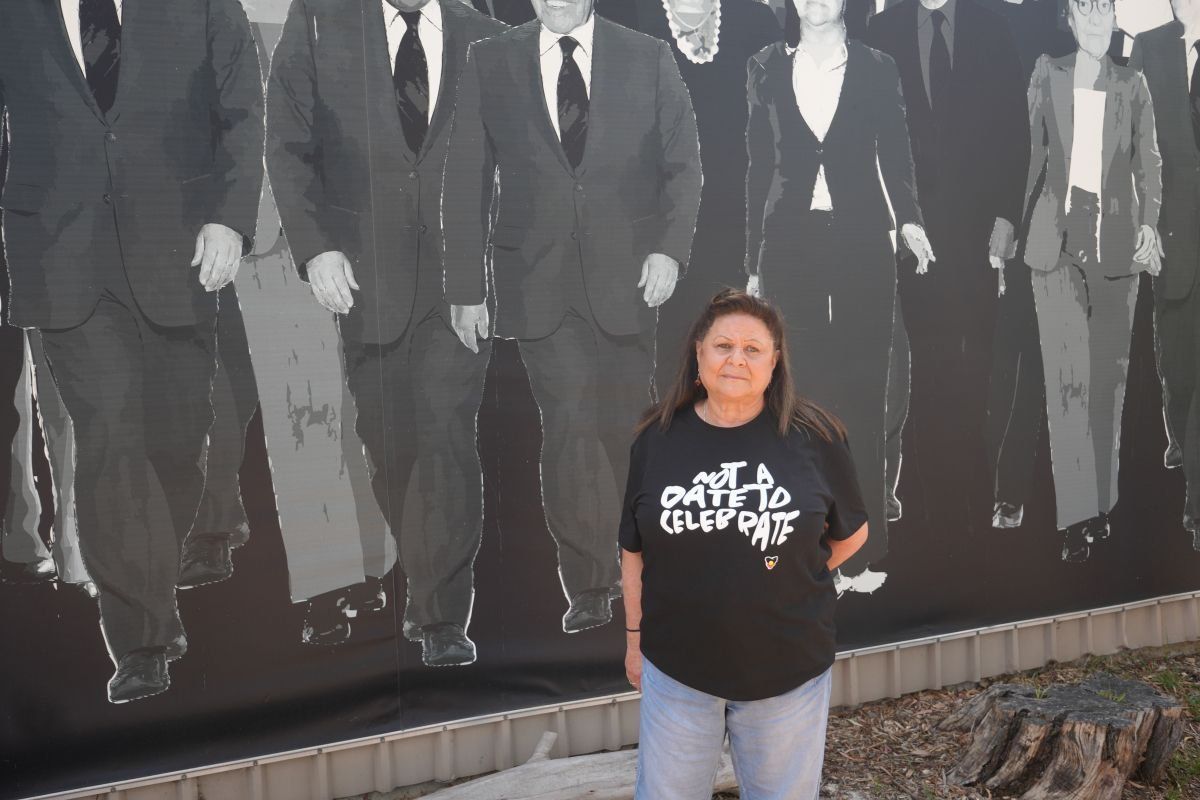
VACCHO chief executive Jill Gallagher said Indigenous people "have an absolute right to access healthcare free from racism". "All hospitals need to work hard to build and maintain the trust and confidence of people who have historical reasons to fear these places," she said.
"We recognise and applaud every hospital that takes action to eliminate racism - especially in Emergency Department waiting areas."
In 2021, Kamilaroi-Dunghutti man Ricky "Dougie" Hampson Jr, 36, died after being misdiagnosed and discharged without a CT scan despite presenting with "ten out of ten" pain.
An inquest last year found the father of eight's death was "totally unnecessary" and "preventable" after the treating doctor admitted cognitive bias had contributed to the misdiagnosis. The coroner said Aboriginality must be a key consideration in healthcare delivery and called for specific training to improve treatment for Indigenous patients.
.jpeg)
VACCHO's Executive Director of Population Health, Abe Ropitini, said targeted action to improve Aboriginal cultural safety in emergency departments began under the previous Liberal Government - a legacy "they should be proud of, because it was a serious commitment to Closing the Gap".
"It is disappointing they have traded in that legacy for race baiting and punching down on our most vulnerable people," Mr Ropitini said.
Victorian Health Minister Mary-Anne Thomas backed St Vincent's decision, saying the hospital is "taking some proactive steps in order to close the gap when it comes to the health and wellbeing outcomes for Aboriginal Victorians".
"And I applaud this hospital for the actions taken to meet the needs of the community that they serve."



