


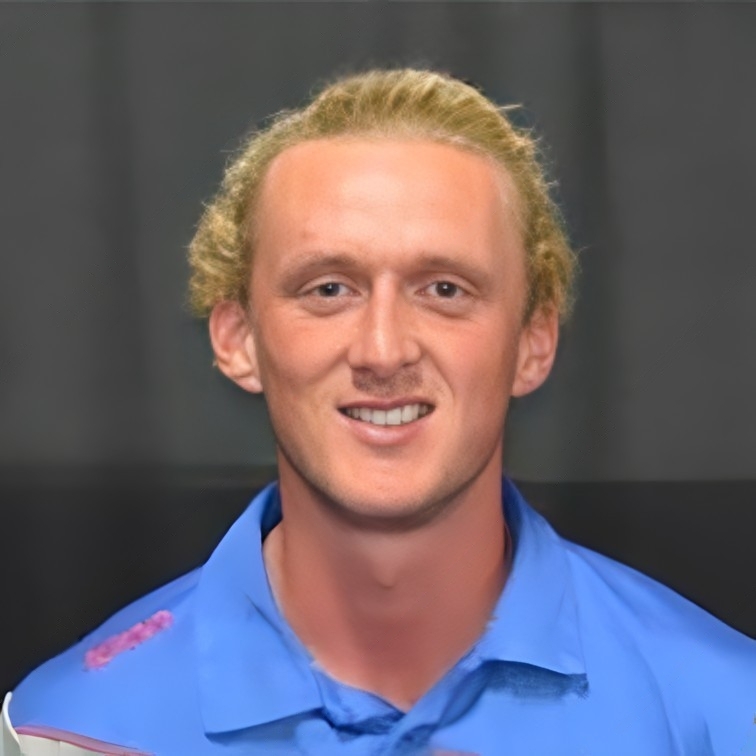

A Stolen Generations Survivor who discovered his liver cancer by chance has lent his voice to a new community campaign designed to highlight the disproportionate impact the disease has on Indigenous peoples.
Marking the start of Liver Cancer Awareness Month, the campaign was launched at Preston's Dardi Munwurro on Friday.
Prior to his diagnosis Uncle Kerry Fox thought losing weight — half his body weight in five months — meant the gym was finally paying off.
Instead, a scan for something else found liver cancer.
His story, now on film, carries one simple message for community: "Don't feel embarrassed. Just give us a call."
The video launched after last week's smoking ceremony at Dardi Munwurro, an Aboriginal community organisation supporting men, women and families on their healing journeys.
Community guidance shaped the entire campaign, including the decision to bring the health conversation to where people already gather rather than asking people to attend a health event.
"Liver cancer does not reach Aboriginal and Torres Strait Islander people at higher rates by chance," Yorta Yorta woman and public health practitioner, Associate Professor Dr Summer May Finlay says.
"When we talk about liver health, we are talking about removal, grief, shame and survival long before we are talking about anything on a blood test.
"This campaign starts from that truth, and from community wisdom about what actually helps."
Aboriginal and Torres Strait Islander people are 2.4 times as likely to be diagnosed with liver cancer as non-Indigenous Australians, and 2.4 times as likely to die from it.
Fewer than one in ten Aboriginal and Torres Strait Islander people diagnosed with liver cancer survive five years, with late diagnosis one of the main reasons.
Liver Foundation CEO, Sally Castle, said the liver does around five hundred jobs and complains about none of them.
"It is also the only organ in the body that can repair itself, if damage is found early enough," Ms Castle said.
"That is why we want people to get a liver check before symptoms appear. By the time symptoms arrive, it can be too late."
New analysis released by the Australian Institute of Health and Welfare (AIHW) in September, commissioned by The Healing Foundation, estimates approximately 23,300 Stolen Generations Survivors aged 50 and over are alive today, or one in seven Aboriginal and Torres Strait Islander people of that age.
All are now in the years when a liver that has carried too much for too long can start to fail.
The Healing Foundation acting CEO, Leonie Williamson, reflected on the impact the disease has on older Indigenous Australians.
"Stolen Generations survivors make up around one in ten Aboriginal and Torres Strait Islander people aged 50 years and over," Ms Williamson said.
"The evidence is clear that forced removal has left a lasting legacy of poor health and chronic conditions, and that many of these impacts continue to be felt by descendants.
"While these findings are confronting, they also remind us why standing up and speaking out about our health and wellbeing is so important."
The campaign promotes a free, confidential phone line staffed by expert liver nurses on 1800 841 118.
Liver Cancer Awareness Month runs throughout October. Campaign information for Indigenous communities is available online.



