



A new art-driven pilot program is improving oral hygiene among Anangu children in remote communities while also strengthening the Yankunytjatjara language on the APY Lands.
The Closing the Gap through Oral Hygiene and Language in Remote Australia program, an initiative of the University of Adelaide's Mobile Language Team (MLT) focuses on raising awareness about preventative dental care while preserving the Yankunytjatjara language in Iwantja and Mimili Yankunytjatjara communities on the APY Lands.
Nicknamed 'Katiti Wiru', meaning Healthy Teeth in Yankunytjatjara, the project embeds oral health education into everyday life using local language and knowledge systems through community-based workshops and culturally relevant resources.
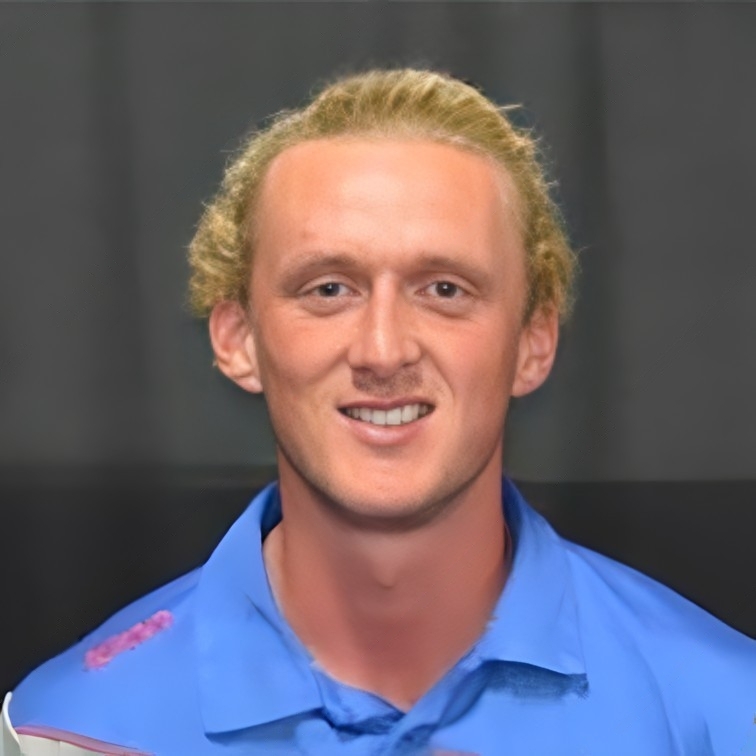
The project is led by Dr Paul Monaghan alongside fellow researchers Karina Lester, William Fisher and Emeritus Professor Peter Mühlhäusler, along with additional team members Uncle Trevor Buzzacott OAM, Amelia Amos and Phoebe Leggett.
The Dental Hygienists Association of Australia and Nganampa Health Council are also partners in the program.
MLT's Aboriginal co-manager and senior Aboriginal language expert, Karina Lester, said the program combines traditional language with oral health support.
"In recent years, there has been a focus on reducing the much higher rates of teeth and gum problems, dental disease, and oral-hygiene-related hospitalisation experienced by Anangu children in remote communities," the Yankunytjatjara-Anangu woman said.
"This project seeks to improve the oral health of Anangu children by using an endangered Aboriginal language for talking about oral hygiene and follow-up health messaging.
"At the same time, it seeks to strengthen the Yankunytjatjara language by extending its use into new domains."
Combining quantitative and qualitative research with linguistic theory, the project analyses the language surrounding oral hygiene practices to develop effective messaging.
"English is not the best medium for improving health outcomes in some remote Aboriginal communities," Ms Lester said. "It can create additional barriers to understanding and engagement."
Artwork by renowned Iwantja artist, Kunmaṉara (Tiger) Yaltangki, features prominently in the campaign, appearing on posters, t-shirts, magnets and stickers.
These materials, all delivering important messages in Yankunytjatjara, encourage children to maintain strong, healthy teeth and warn of the dangers of holes, rot and decay
The project is the culmination of two years of the MLT's 2022-2024 Oral Hygiene project which featured workshops, storytelling, games, and other learning activities in Yankunytjatjara, resulting in increased language use and research in new domains of language in Yankunytjatjara.
MLT's manager and senior linguist Paul Monaghan said the project aims to close the gap by increasing oral health education that is accessible, and relevant for Aboriginal communities on the APY Lands.
"By embedding oral health education in play and interactive learning, we aim to build positive language around oral hygiene, making it a familiar and enjoyable part of daily Yankunytjatjara life rather than something associated with outsiders, fear or obligation," Dr Monaghan said.
"Using the work of a local artist, who appeals to youth, to create messaging and the Yankunytjatjara language ensures that oral hygiene messages feel relevant, local and meaningful, rather than foreign and incomprehensible.
"Early feedback from communities indicates that this culturally grounded approach improves awareness of oral hygiene among children."
Dr Monaghan said Australia is the most dangerous continent for languages, with 90 per cent of Aboriginal and Torres Strait Islander languages considered endangered or extinct.
He said less than half of the languages spoken before colonisation are still in use, and only six percent are "strong languages" spoken across all generations.
"The weakening or outright loss of Indigenous languages is more severe in Australia than any other continent," he says.
"The dominance of English has led to a dramatic reduction in the use of Indigenous languages. As traditional practices recede, so does the language associated with these practices."
Since its establishment in 2009, MLT has successfully engaged with more than 25 out of 47 South Australian Aboriginal languages, with the Mobile Languages Team dedicated to the revival and maintenance of Aboriginal languages across South Australia and to promoting the use of Aboriginal languages to close the gap in health, education and employment for Aboriginal people.
Dr Monaghan says the team hopes to apply the same methods of their oral hygiene program to other areas within health, wellbeing, education and criminal justice to benefit other remote communities where Indigenous languages are spoken daily.
"There is an urgent need for further targeted linguistic research into these domains, ensuring language remains central to community well-being and development," he said.
Other MLT projects include training for Aboriginal people to support community-led language revival, support for early-childhood Indigenous language literacy, and a program to increase the number of Indigenous language educators working in regional and remote SA schools.



