




Many First Nations people with disabilities in custody are spending lengthy periods on remand — many without convictions — and are often not receiving the adequate care they need, a new Indigenous disability-led study has found.
New research from the University of Melbourne's BlakAbility team examined Aboriginal and Torres Strait Islander people with disability across the justice system.
The Barriers Within Bars report, led by Associate Professor Sheelagh Daniels-Mayes and Dr Sharon Kerr, alongside Dr Aunty Roslyn Sackley from AccessAble Braille Enterprises, is the first national Indigenous disability-led research to examine the experiences of Indigenous people with disability in Australia's criminal justice system.
Associate Professor Daniels-Mayes said recognising the overlap between disability and First Nations identity was essential to understanding why some people enter the justice system and struggle to escape it.
The Gomeroi woman argued behaviour linked to a particular disability can be "misunderstood or ignored" when it is devalued or goes unrecognised.
"For a First Nations person who may already face barriers to culturally safe support, that can have serious life-long consequences," she said.
"For example, someone experiencing a disabling mental health condition may behave in a way that brings them into contact with police. Instead of being connected with appropriate healthcare and support, their behaviour can be treated as a criminal matter."
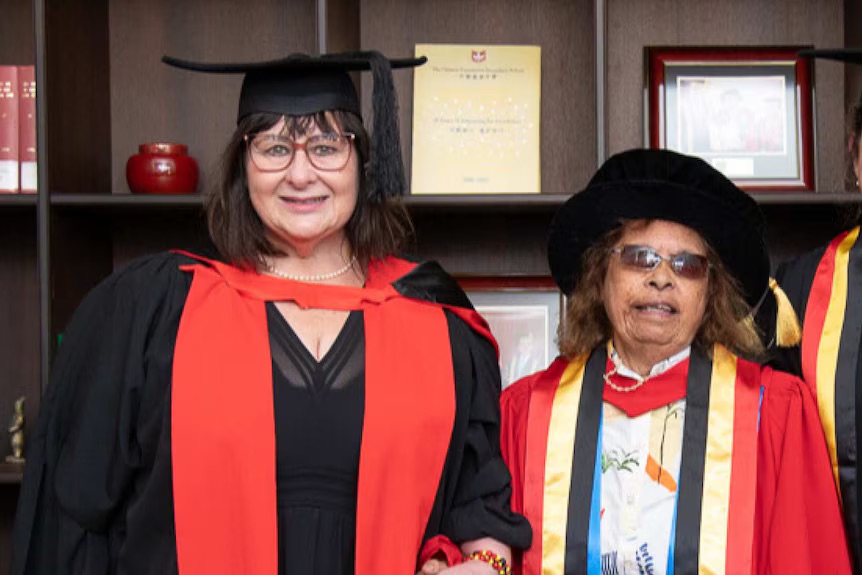
Researchers examined 177 studies and spoke with people who had experienced incarceration, as well as their family members, legal aid workers, solicitors and academics.
The review highlighted major gaps in research into how Aboriginal and Torres Strait Islander people with disability experience the justice system. Just 18 of the 177 studies examined the intersection of Indigenous identity, disability and incarceration.
"Indigenous people with disability experience some of the most significant and preventable forms of injustice in Australia," the report states. "The evidence shows that disability is often unrecognised, misunderstood or punished, and that prison environments are not designed to meet the needs of people with disability."
The research found bail and remand practices often fail to account for cultural obligations, disability needs or housing instability, while limited access to culturally safe mental health care and communication support can further undermine people's safety and access to justice.
The findings also found that incarceration can disrupt family connections and access to disability services, including National Disability Insurance Scheme (NDIS) supports. Many people leave prison without stable housing, healthcare or disability support, while children and young people with disability face particular risks in custody.
Researchers said these issues reflected systemic failures that can worsen disability and undermine the rights, safety and wellbeing of Indigenous people.
"These findings reflect systemic failure rather than individual behaviour," the report said. "They show that the justice system is not meeting its duty of care to Indigenous people with disability and that current practices undermine safety, rights, autonomy and wellbeing."
Associate Professor Daniels-Mayes said the disadvantages "don't end once someone enters the justice system".
"People can face difficulties communicating their needs or understanding legal processes, accessing culturally safe disability support in prison, and finding stable housing and healthcare when they leave," she said.
View this post on Instagram
First Nations prisoners accounted for 37 per cent of Australia's prison population, according to ABS data from June 2025. There were 17,432 Aboriginal and Torres Strait Islander people in prison, a 10 per cent increase from the previous year.
A 2024 report from the NT Child Commissioner found 77 per cent of children in detention had mental health needs or a cognitive disability, while 47 per cent had been diagnosed with multiple cognitive disabilities.
"It is unacceptable for children living with significant vulnerability to end up in custody," then NT Children's Commissioner Shahleena Musk said at the time.
"Their unmet disability, trauma and mental health needs should have been identified and addressed earlier outside of the justice system. Incarcerating children with disability and poor health and mental health poses serious risks to their wellbeing and future."
Submissions to the current Senate youth justice inquiry highlighted the high prevalence of Fetal Alcohol Spectrum Disorder (FASD) among children in detention. Nationally, around one in three young people in youth detention is estimated to have FASD, with most cases remaining undiagnosed.
A 2024 report from the WA Children's Commissioner found many children in custody "could not associate their actions with consequences," and that many had "complex needs... including intellectual disability, cognitive impairment, developmental delay, neurodivergence or challenges" — including FASD.
National Disability Research Partnership CEO Mary Sayers said the research in Barriers Within Bars showed the need to turn decades of evidence into action.
"Previous Royal Commissions and inquiries have identified many of these issues, and this report provides an opportunity to ask what is preventing meaningful change," Ms Sayers said.
"This research shows why First Nations disability-led research is so important and this is exactly the kind of outcome the NDRP was set up to deliver.
"This work is a credit to the research team, their co-design approach and a reminder that projects like this depend on continued investment in disability-led research in Australia."
1800 Respect (1800 737 732)
Lifeline (13 11 14)
13YARN (13 92 76)
Yarning Safe'N'Strong (1800 959 563)
Beyond Blue (1300 22 46 36)



