




One child under the age of 14 in youth detention in the Northern Territory was the subject of 70 child harm notifications, an audit from the Territory's child commissioner has found.
Furthermore, every child audited had significant contact with the child protection system and 94 per cent had been exposed to domestic and/or family violence.
The report, 'Our most vulnerable children bearing the consequences of a failed system', has cast doubt on the new NT government's plan to enact tough on crime measures, painting a picture of the most vulnerable children in the Territory - many suffering appalling abuse and disabilities - being locked up.
"Several [children] told us going into detention didn't worry them, others said they did not feel safe at home due to domestic and family violence and that extreme poverty impacted on their decisions to steal," the report said.
One child noted: "I wasn't scared to go in cause my two older brothers were there. I wanted to follow them."
The report audited 17 children between the ages of 10 and 13 in NT detention — 94 per cent identified as Aboriginal. 77 per cent had mental health needs or a cognitive disability; 47 per cent had been diagnosed with multiple cognitive disabilities.
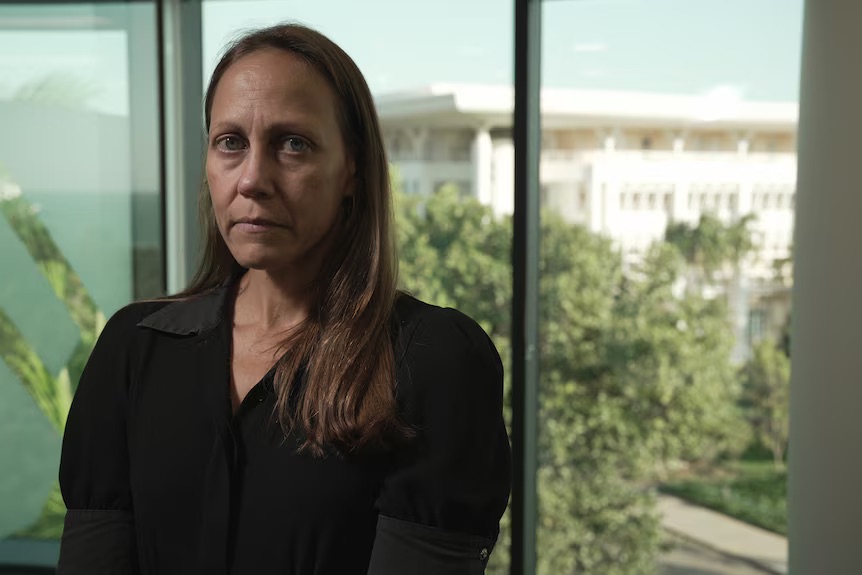
"It is unacceptable for children living with significant vulnerability to end up in custody," NT Children's Commissioner Shahleena Musk said.
"Their unmet disability, trauma and mental health needs should have been identified and addressed earlier outside of the justice system. Incarcerating children with disability and poor health and mental health poses serious risks to their wellbeing and future."
There were 16 unique young people in detention under the age 14 in the NT for the second quarter of 2023-24, according to the Department of Territory Families, Housing and Communities.
Aboriginal children are 10.5 times more likely than non-Indigenous children to be in out-of-home care, with 89 per cent of all children in care in the NT First Nations.
Children involved with child protection are at least nine times more likely than other young people to offend and come under the supervision of youth justice services, the report states.
It highlights the shocking number of children in detention who've experienced abuse, as well as significant mental and cognitive disabilities.
Children in custody are 18 times more likely to have fetal alcohol spectrum disorder (FASD) and three times more likely to have a traumatic brain injury.
88 per cent of the children audited had child protection investigations that substantiated they had experienced harm.
"These vulnerable children are bearing the consequences of a failed service system. The result, young children being pipelined into detention after multiple missed opportunities to intervene earlier in their lives," Commissioner Musk said.
The Australian Curriculum, Assessment and Reporting Authority shows the NT has had the lowest attendance rate in Australia across primary and secondary levels since 2014.
Most of the children audited experienced disengagement from education in year six with almost half only achieving a 40 per cent attendance rate.
One example had a child attending school regularly until year six, where they began to experience behaviour problems associated with anxiety after a traumatic experience. Their attendance dropped and they entered the justice system aged 11.
"Most of these children experienced disengagement from education in year six," Commissioner Musk said.
"We must focus on improving the engagement and retention of children in schools and responses that help them reach their full potential, including going on to achieve secondary and tertiary education."
The report comes as the new NT government attempts to introduce legislation lowering the age of criminal responsibility to ten, against medical, human rights and legal advice.
Chief Minister Lia Finocchiaro has promoted a 'tough on crime' approach, citing an election mandate. Commissioner Musk argues it is unlikely to make the community safer,
"If a tough on crime approach worked, the NT would be the safest place in Australia," she said.
"Yet as the data demonstrates year on year, punitive youth justice responses only reinforce the very behaviour that society seeks to change and increases the chance of further offending."
The commissioner called on the government to reverse their decision to lower the age as well as pausing other reforms "that will impact vulnerable children".
"Instead, work to improve responses to at-risk children and their families earlier," she said.
This includes examining the adequacy of the responses from agencies dealing with at-risk children, with the view to "identifying service gaps".
This will equip the government with a greater understanding of the needs and characteristics of these children to inform a contemporary, evidence-based response," Commissioner Musk said.
"We can and must do better for the Territory's most vulnerable children."



