


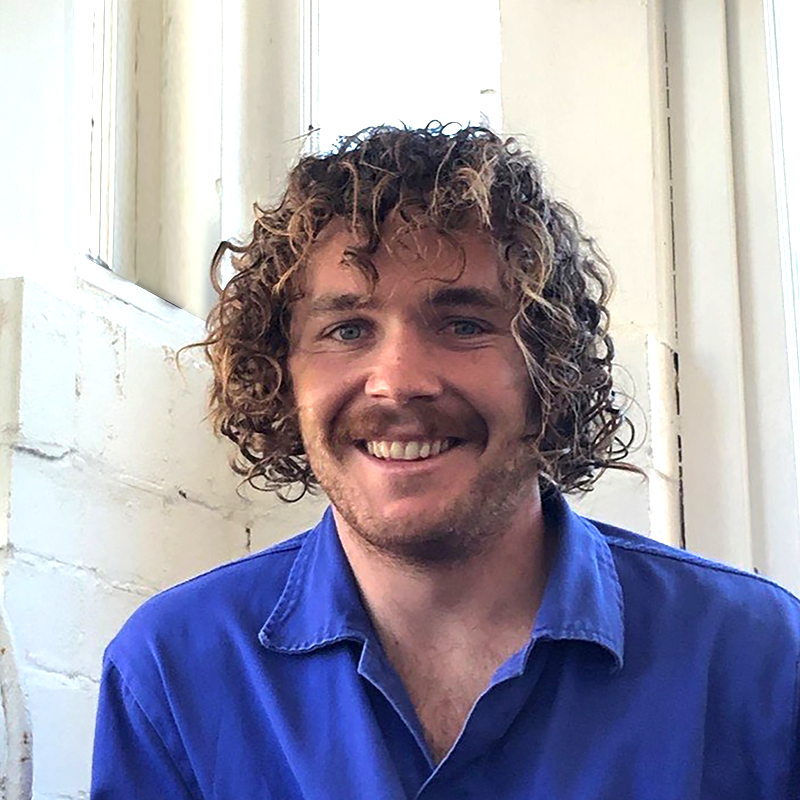

Aunty Ella McGrath was 23 when part of her family tree and recent history allowed to follow what she felt 'in her heart'. It's more than 50 years that her Aboriginality was revealed by truths made known to her at the time of her mother's passing.
Aunty Ella's father, who had been raised by his non-Indigenous grandparents, was a Wiradjuri man who had not been identified as Aboriginal.
This was a choice made, Aunty Ella believes.
"You have to remember that being Aboriginal back then wasn't easy (it's not now either for many of course). There was a lot of discrimination, and we saw that," Aunty Ella writes in the story of her life.
"My grandparents (who had brought Dad up) wanted to ignore that Dad was Aboriginal."
There had been some rejection of this identity from her mother's side of the family - as she understands.
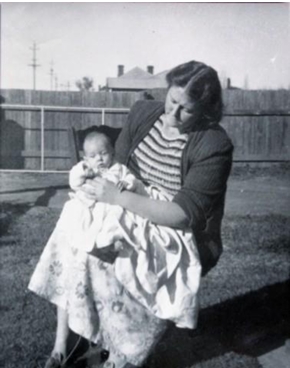
Aunty Ella, who grew up on Wiradjuri Country in Dubbo, has dedicated much of her life to the NSW Hunter region's Indigenous community.
Across it, she's been an advocate the community, served as chair of the Awabakal Aboriginal Education Consultative Group, supported young Aboriginal people becoming introduced to the justice system - also working alongside police.
The Awabakal Land Council, Yarnteen Indigenous Development Association, and Newcastle's Yamuloong Centre have also been organisations Aunty Ella has been involved.
As an artist - both a painter and with woodwork, Aunty Ella's work has been exhibited around her community.
Her history and personal journey is told over more than 21,000 words in Aunty Ella's new biography supported by health and aged care provider HammondCare.
Over six interview sessions with a volunteer this got on it's way to being put down on paper for others to learn.
The biography comes via HammondCare's Life Stories program - at present helping 30 people at the Waratah centre start to document their's.
%20at%20the%20presentation%20of%20her%20painting%20to%20HammondCare%20CEO%20Andrew%20Thorburn.%20Also%20present%20was%20(r-l)%20husband%20Gary%20McGrath%20and%20artist%20Gary%20De%20Belle.jpg)
Within Aunty Ella's work are remarkable letters from those who knew her father - submitted to the Awabakal and Dubbo Land Councils to confirm their Indigenous identity.
Her siblings took the new knowledge, at the time, of their history in mixed ways.
For Aunty Ella, it was something she instantly "in her heart" wanted to engage with and learn, she said.
"The memories and stories of older Australians should be treasured and preserved for the benefit of their families and communities," HammondCare chief executive Andrew Thorburn said.
Mr Thornburn met Aunty Ella in 2024.
"In Aunt Ella's case, this includes her wish to pass on to her children and wider family her proud legacy as a First Nations elder."



