


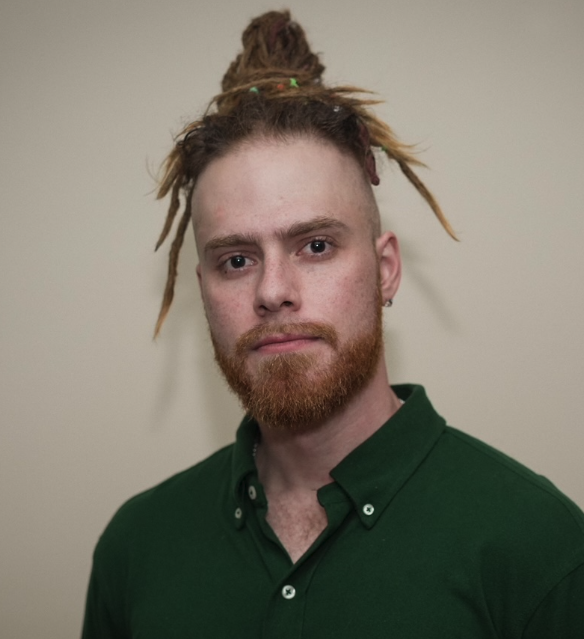

Waverley Council has announced the six finalists for the $40,000 Mark and Evette Moran Nib Literary Award, which celebrates outstanding Australian research-based literature.
Among the nominees are Indigenous authors Shauna Bostock for Reaching Through Time and Melissa Lucashenko for Edenglassie, both offering profound insights into Aboriginal history and resilience.
Bundjalung woman Shauna Bostock's Reaching Through Time presents a multi-generational narrative exploring the Aboriginal experience from colonisation to the present.
Ms Bostock said her work bridges personal and cultural history.
"I don't see any separation or distinction between my personal history and cultural history. They are consolidated," she said.
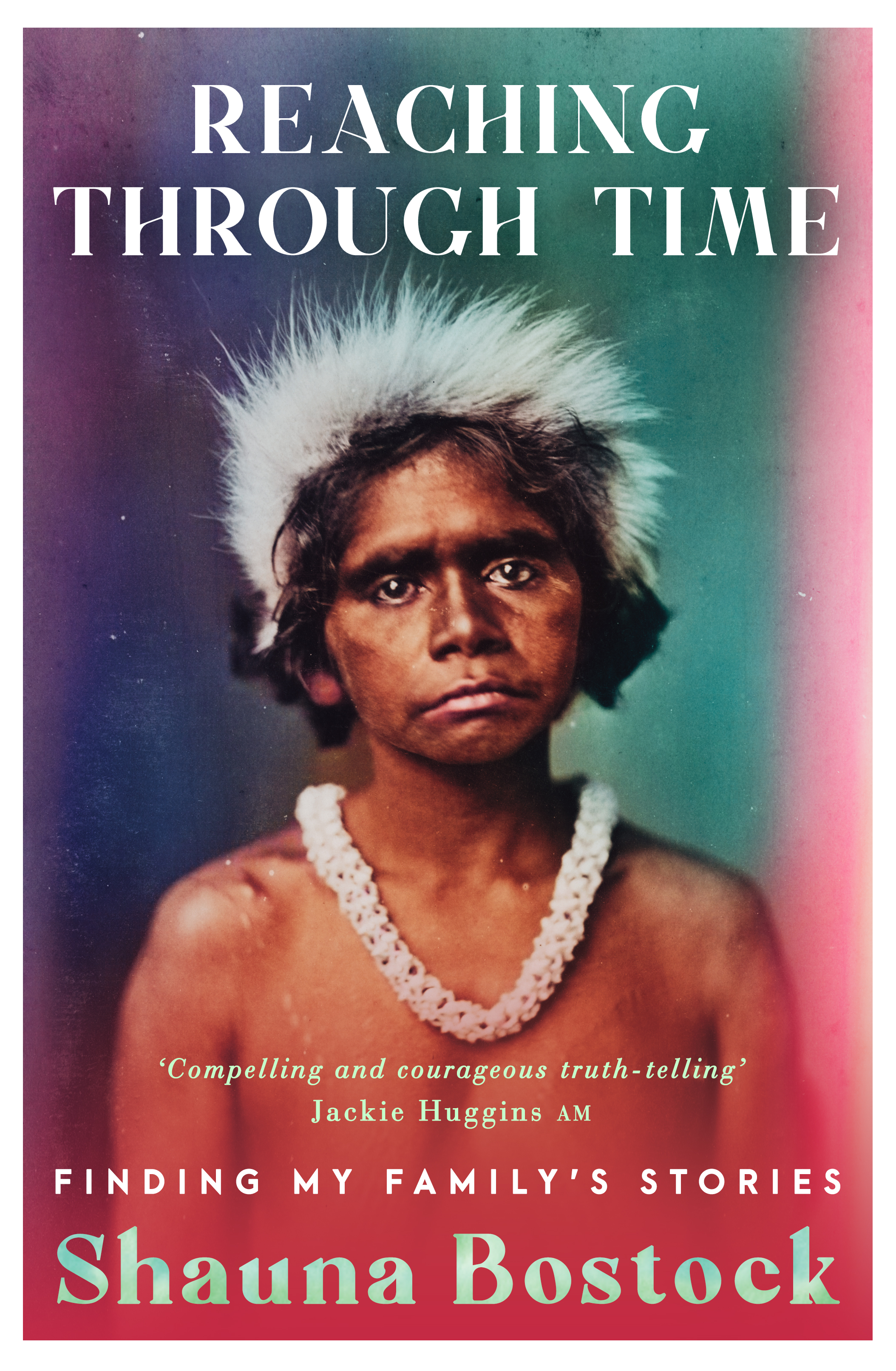
The book reflects her meticulous research, essential for challenging mainstream narratives.
"I have been insanely meticulous in my research because I knew that the naysayers of Aboriginal history would not believe any of it without irrefutable evidence," she said.
Ms Bostock emphasised the book's role in national truth-telling.
"I have reached through time to pull my ancestors' stories out of the darkness and into the light, for all Australians to see their truth," she said.
The response from her community has been overwhelmingly positive.
"Community feedback has been amazing," she said.
"This connection underscores the importance of reclaiming history.
"I believe researching their lives through the archives has restored their humanity."
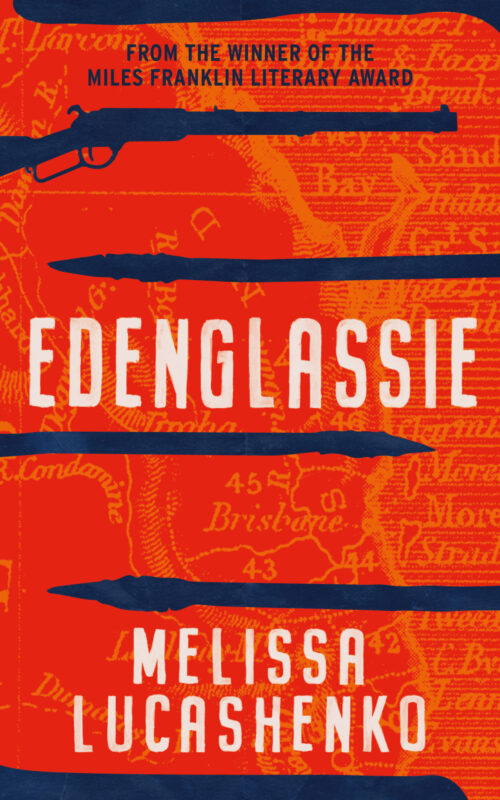
Melissa Lucashenko's Edenglassie challenges conventional narratives by focusing on the post-invasion period in Brisbane.
"The reason I wrote the book was that for the 200-year anniversary of European Brisbane, I wanted there to be a book out there that flipped the script, that talked about the Goori civilisation," Ms Lucashenko said.
Her novel centres on how Aboriginal people navigated life after colonisation, exploring questions such as, 'How do you hang onto your values, how do you live a good Aboriginal life, one generation after invasion?'
Ms Lucashenko's protagonist defies stereotypes, embodying ambition and adaptability.
"I wanted to write a young Aboriginal man who was ambitious, smart, and sexy," she said.
"He wasn't the warrior stereotype – that was a man who is making his way through a world that is changing rapidly around him."
The response from readers, both Indigenous and non-Indigenous, reflects the book's impact.
"I've had a few white readers say they see Brisbane differently after reading 'Edenglassie'," she said.
Ms Lucashenko said she sees the importance of persistence in Indigenous storytelling.
"It's just head down-bum up and keep writing until they wake up to the fact that we aren't going away and our civilisation is vastly superior to anything that arrived on the boats," she said.
Both authors' works are significant in shifting the narrative and emphasising the importance of Indigenous storytelling.
As Ms Bostock aptly notes; "Knowledge dispels fear… but it also dispels ignorance too."
These stories contribute to a broader understanding of Australian history and the resilience of Aboriginal communities.
The winners, including the recipient of the $40,000 main prize, will be announced on November 27 at Bondi Beach's Bondi Pavilion Theatre.
The recognition of Ms Bostock and Ms Lucashenko underscores the essential role of Indigenous voices in Australia's literary and cultural landscape.



