


Pacific students, entrepreneurs, policymakers and environmental leaders have gathered in Vanuatu for a new regional forum focused on climate and environmental innovation.
The inaugural Pacific Innovation Forum on Climate and Environment (PIFCE) began in Port Vila on Wednesday and runs from July 1 to 3.
The forum brings together government ministers, officials, non-government organisations, civil society groups, private sector leaders, universities and innovators from across the Pacific.
Vanuatu Minister for Climate Change Ralph Regenvanu said the country was keen to showcase its climate and environmental work to a regional audience.
"Vanuatu welcomes everyone to Port Vila," he said.
"I know that the Government and the people of Vanuatu are spearheading some of the best innovations in climate and environmental solutions across the region and around the world and we would like to share these with the world and have them showcased at this event."
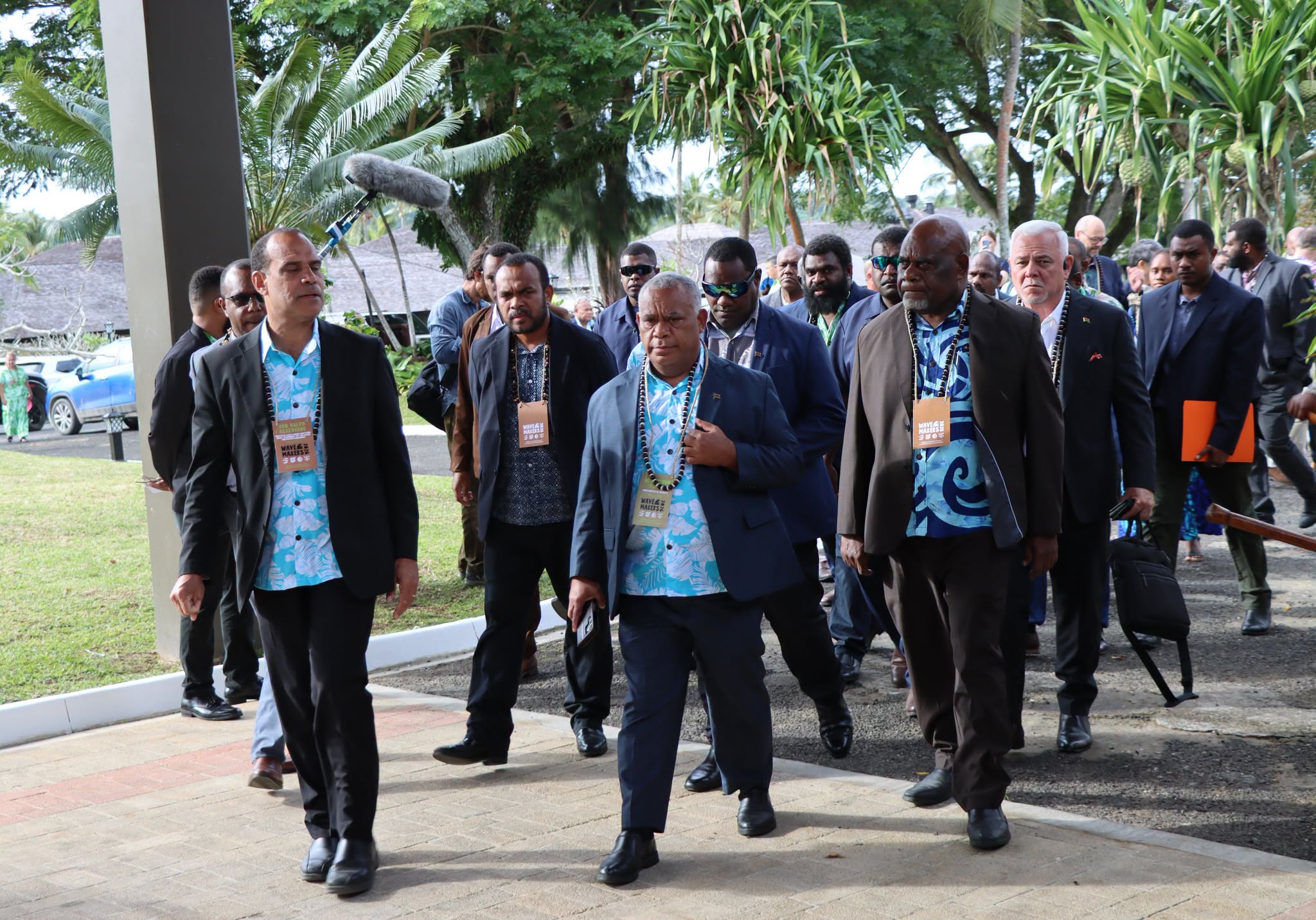
The forum has been designed as a Pacific-led platform for practical responses to climate and environmental challenges, including waste, agriculture, environmental restoration, weather prediction and resilience.
It was developed through a proposal by Mr Regenvanu and V-Lab Vanuatu, reflecting a shared goal to create a regional space for climate action and innovation.
Pacific students lead research focus
Representatives from six Pacific national universities are among the delegates, with students taking part in research and innovation projects linked to climate pressures in their home countries.
Students have travelled from Tonga National University, National University of Samoa, the University of Papua New Guinea, Papua New Guinea University of Technology, Solomon Islands National University and the National University of Vanuatu.
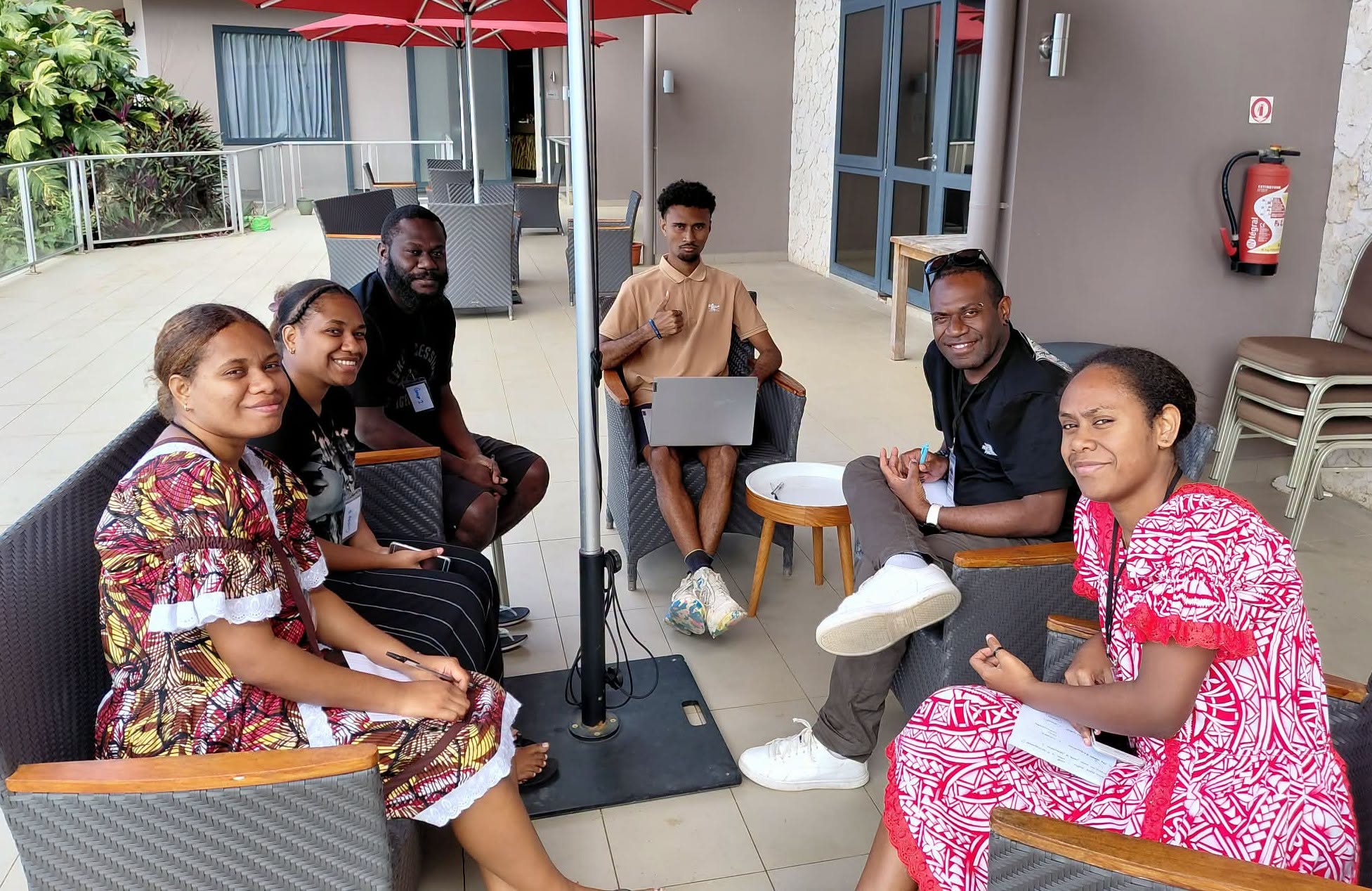
Their work spans emerging technology, Indigenous knowledge, waste-to-energy and resilience.
Samoan student Lagi Schmidt said the forum offered a chance to build her work with other Pacific innovators.
"Through PIFCE 2026, I hope to further develop this innovation and heighten my understanding of the importance of emerging technologies, whilst collaborating with like-minded young innovators and experts across Regional institutions," she said.
Solomon Islands student Philip Bero is focusing on how Indigenous knowledge can work alongside modern climate tools.
"I am eager to assess how indigenous innovations complement modern approaches to weather prediction and resilience," he said.
The student participation is being coordinated and supported by the Secretariat of the Pacific Regional Environment Programme (SPREP).
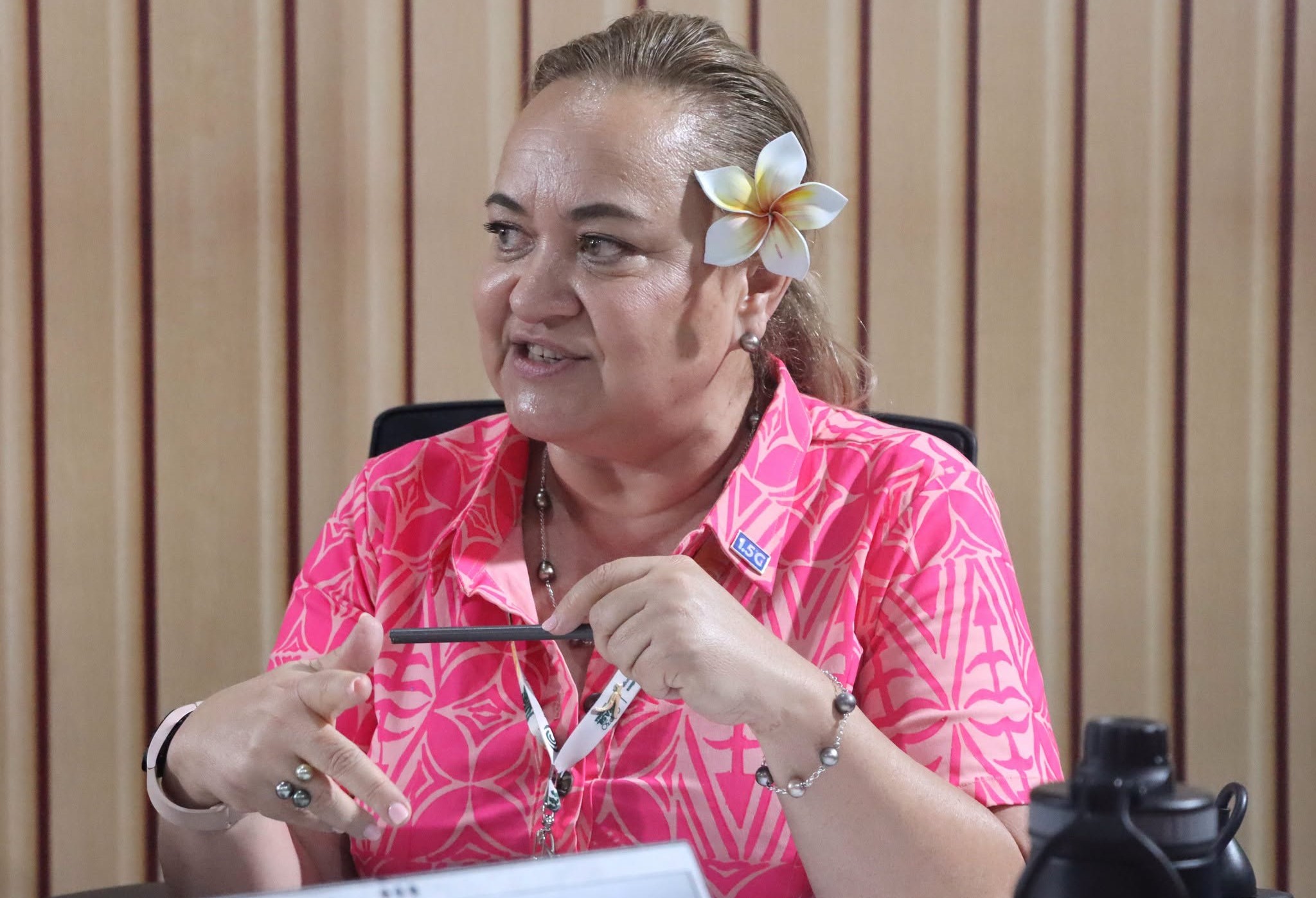
SPREP Director of Climate Change Resilience Tagaloa Cooper said the student participation showed the importance of Pacific-led research.
"SPREP's mandate is to promote cooperation in the Pacific region and provide assistance to protect and improve our environment and we see innovation as key to fulfill this mandate," Ms Cooper said.
"These students are more than emerging leaders; they are the Pacific's Wave Makers: a new generation of innovators whose ideas have the power to create lasting ripples of change across the region."
Students have also taken part in a ClimateTech Hackathon, where teams developed ideas for regional climate challenges to be pitched during the forum.
They also joined a talanoa session at the National University of Vanuatu before taking part in the National Environment Day Clean-Up Campaign.
Their work will be presented through an Innovation Poster Showcase, giving delegates a chance to engage directly with Pacific-led research.
Climate ideas pitched for funding
The forum also includes a Private Sector Climate and Innovation Pitching Competition involving 10 organisations and companies from across the region.
The competition is designed to connect innovation with financing and support partnerships that can help projects grow and be replicated across Pacific communities.
The finalists include Natures Farm Fresh Supplies (Fiji), Eagle Vetiver Systems Ltd (Papua New Guinea), ENVIROMESH (Australia), Blue Garden (French Polynesia), Greentech Ltd (Vanuatu), Sea and Soil (Fiji), Kahuto Pacific (Fiji), The Greater Good Diaper Project (Samoa), Fine Food (Vanuatu) and Powa mo Wota (Vanuatu).
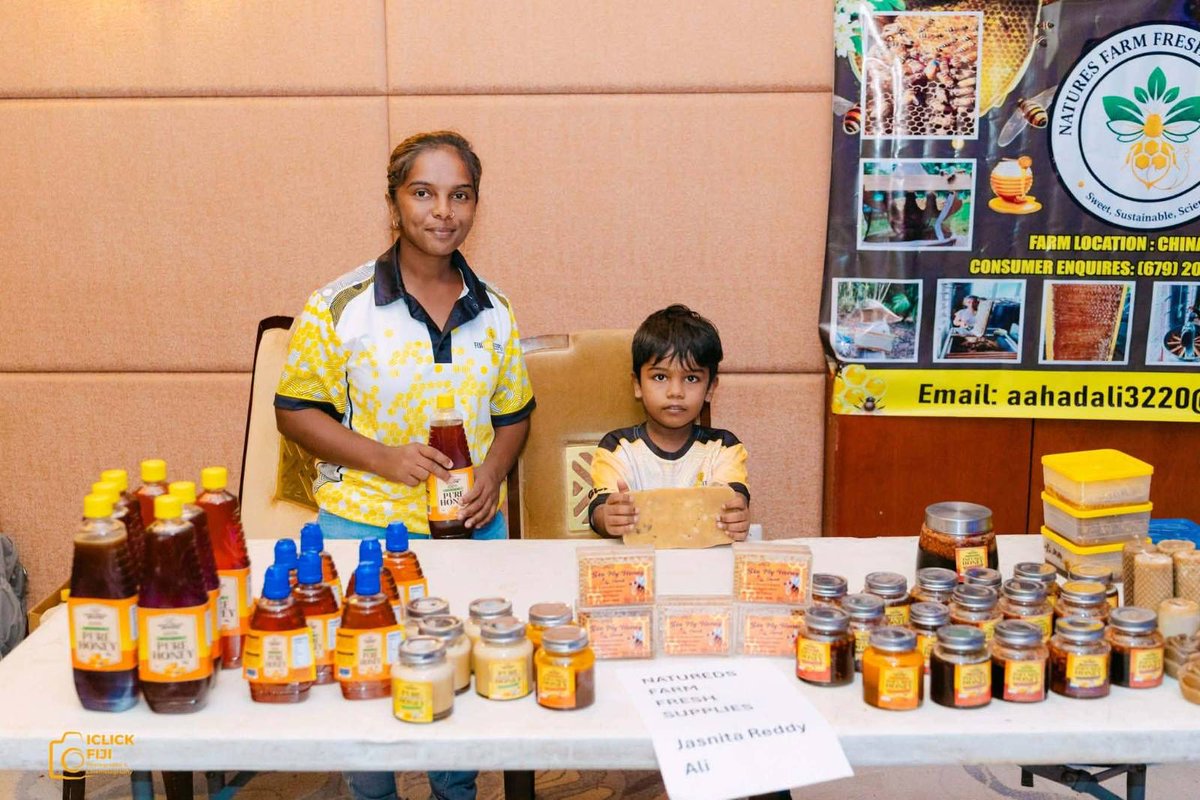
Their ideas include nature-based agriculture, remote sensing and geospatial tools, food waste diversion and ways to reduce plastic nappy waste.
The winning pitch will receive AUD $10,000, with a People's Choice award to be decided by audience vote during the final.
V-Lab Founder and President Marc-Antoine Morel said the competition would give Pacific innovators a platform for scalable climate solutions.
"There is definitely excitement and anticipation as we get closer to the day of competition," Mr Morel said.
"We look forward to welcoming all the finalists to Vanuatu, and playing a part in providing a dynamic space for innovators, entrepreneurs, communities, governments, and development partners to showcase practical and scalable solutions for a more resilient and sustainable Pacific."
The semifinal is being held on Wednesday, with five pitches to progress to the final on Friday.



