




The reforming of Tasmania's Aboriginal Heritage Act has progressed after the state government opened public consultation on the proposed legislation.
Set to replace the state's Aboriginal Heritage Act 1975, the new legislation aims to "strike a better balance", according to the Tasmanian government, "to both protect and manage Aboriginal heritage in Tasmania, while delivering important projects that create economic opportunity and jobs" in the state.
"This new legislation... puts Tasmanian Aboriginal people at the heart of decision making when it comes to heritage," the government said in a statement.
The state government said the proposed legislation delivers a more contemporary framework which provides greater regulatory certainty and provides stronger and more flexible protection mechanisms for Aboriginal Heritage.
Tasmanian Minister for Aboriginal Affairs, Bridget Archer, said the draft Bill progresses the government's commitment to delivering legislation "meets the aspirations of Tasmanian Aboriginal people and the needs of the Tasmanian community".
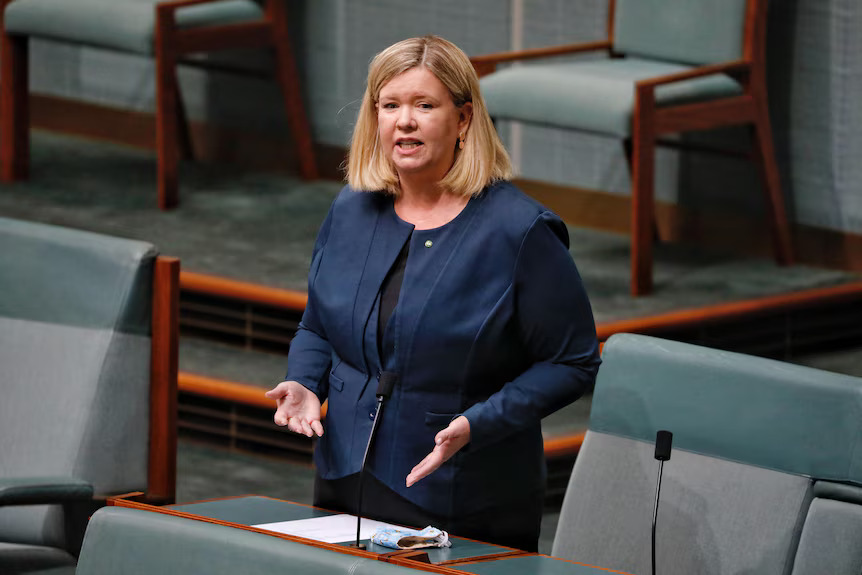
"This is a matter of deep significance to Tasmanian Aboriginal people, and we recognise the importance of Tasmania's Aboriginal heritage to them and to all Tasmanians," Minister Archer said.
"The government has been listening, and this Bill is the first part of a fresh conversation to address what we've heard.
"We believe these reforms strike the right balance, and we have invested significant time to get it right."
The government said the draft Bill reflects previous and recent engagement with Tasmanian Aboriginal people and submissions from the broader community in earlier consultation rounds.
Key changes throughout the draft Bill include; explicitly recognising Tasmanian Aboriginal people as the custodians of Aboriginal heritage while updating definitions, expanding the decision making power and advisory role of the Aboriginal Heritage Council, and defining new forms of Aboriginal heritage which may be registered, including recognising intangible heritage values associated with sites or objects.
The Tasmanian Regional Aboriginal Corporations Alliance (TRACA), a peak Aboriginal body, received an early release of the draft Bill last week, with members set to meet in the near future to discuss their response.
The Alliance includes members of six Tasmanian Aboriginal organisations including the Circular Head Aboriginal Corporation, Flinders Island Aboriginal Association, South East Tasmanian Aboriginal Corporation, Six Rivers Aboriginal Corporation, Weetapoona Aboriginal Corporation, and Melaythenner Teeackana Warrana Aboriginal Corporation.
TRACA chair, Nick Cameron, said while the draft Bill recognises Aboriginal people are the spiritual custodians of Aboriginal heritage within Tasmania, "it falls short in acknowledging Aboriginal people as the Traditional Owners".
"This needs further discussion to ensure full ownership recognition and self-determination by Tasmanian Aboriginal people over our Aboriginal Heritage and not ongoing government ownership through the Crown," Mr Cameron said.
Mr Cameron said it is encouraging there will be greater powers of decision making by the Aboriginal Heritage Council, and the removal of the Minister's veto power "will ensure the decisions of the council to protect the destruction of our heritage can't be politically overruled".
"It is clear with its new powers, the functions of the new Council will be critical and there are some areas that need attention to ensure stable operations and effective community representation," he said.
According to the government, the draft Bill also introduces voluntary Aboriginal Heritage Agreements, introduces new oversight and enforcement mechanisms including an audit system to reassess permitted activities and powers for the Minister to issue Protection Orders and Stop Work Orders, and allows for clear, proportionate assessment and approval procedures to provide certainty and efficiency for landowners and developers.
"It also provides greater certainty and clarity for business and industry by setting mandatory timeframes when it comes to gaining approvals, along with providing industries much clearer assessment requirements and approval processes," Minister Archer said.
"There will be an extensive consultation period, and we encourage all Tasmanian Aboriginal people to provide their feedback."
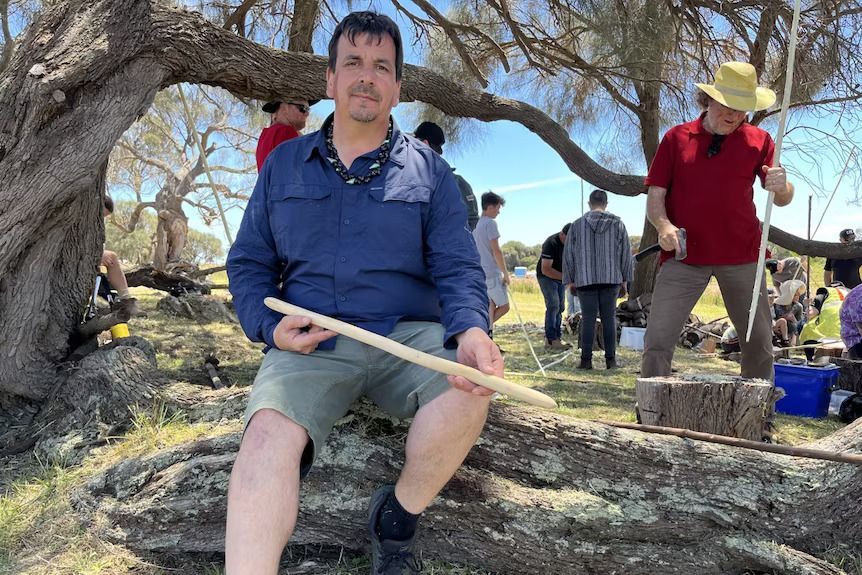
Mr Cameron said TRACA will carefully work through the draft Bill.
"After consultations within our community groups we will provide a detailed and productive response back to the Government," Mr Cameron said.
"TRACA remains open to working in collaboration with all Aboriginal groups to ensure we get the best outcomes for the ongoing protection of our cultural heritage."
Last week both the Tasmanian Aboriginal Centre (TAC) and Aboriginal Land Council of Tasmania (ALCT) shared content on social media criticising the state's Aboriginal Heritage Act and the process undertaken by the state government to reform it.
"Tasmania's Aboriginal Heritage laws are among the weakest in the country," an Aboriginal Land Council of Tasmania social media post read.
"Decisions are now being progressed that will directly impact our lands, culture and responsibilities, without Tasmanian Aboriginal people leading that work."
Also promoted by the ALCT, the TAC held a public meeting titled "Hands off our Heritage" on Thursday.
"Despite Aborigines calling for new laws to protect our heritage, Tasmania's government will release new draft laws written without Aboriginal input involvement or consent," TAC promotion material for the meeting stated.
In promoting the meeting the TAC called for the government to show "basic respect and support" for four principles, including "Aboriginal control of Aboriginal affairs".
"Aborigines must write the new legislation," the meeting material read. "Aborigines have authority over decisions that affect our heritage."
Despite multiple attempts, neither organisation responded to requests for comment from National Indigenous Times.
The government said in addition to the public consultation process, engagement with Tasmanian Aboriginal people and Aboriginal Community Controlled Organisations is ongoing and will help shape the final legislation, which will be introduced to Parliament later this year.
Submissions can be made online, with consultation closing 6 July, 2026.



