




Consultation on reforming Tasmania's Aboriginal Heritage Act has improved, according to the Tasmanian Regional Aboriginal Communities Alliance (TRACA).
The Alliance, which represents the Circular Head Aboriginal Corporation, Flinders Island Aboriginal Association, South East Tasmanian Aboriginal Corporation, Six Rivers Aboriginal Corporation, Weetapoona Aboriginal Corporation, and Melaythenner Teeackana Warrana Aboriginal Corporation, says the Tasmanian Government is now engaging more proactively with Aboriginal community representatives as drafting continues.
TRACA says it has consistently called for authentic engagement with, and the full participation of, Tasmanian Aboriginal communities during the development of the new legislation.
"Meaningful involvement of Tasmanian Aboriginal communities is essential if this legislation is going to genuinely protect Aboriginal heritage" TRACA chair Nick Cameron said.
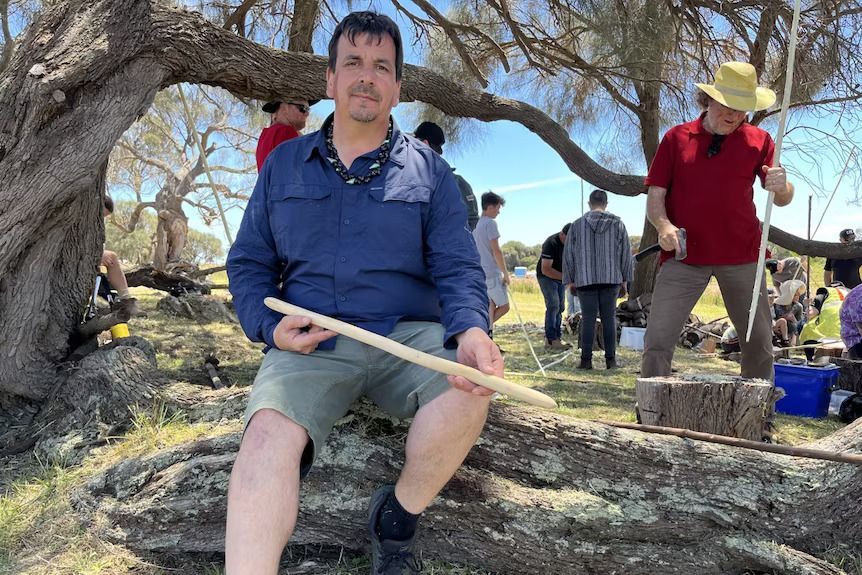
Although Alliance members were disappointed with the initial consultation approach, TRACA says, the organisation acknowledges the government's recent efforts to engage more proactively with the Alliance and its member organisations.
It says the broader engagement means multiple Tasmanian Aboriginal voices can contribute to the development of legislation intended to protect Aboriginal heritage.
"TRACA brings together several Tasmanian Aboriginal communities, which means this process is informed by many voices and perspectives, Mr Cameron said.
"That collective input is important in ensuring the legislation reflects the diversity of Aboriginal custodianship and cultural knowledge across the state."
As drafting progresses, TRACA says it will continue to advocate strongly for reforms which strengthen the protection of Aboriginal heritage.
They include stronger penalties to protect Aboriginal heritage from malicious or negligent damage, alignment of the Act with the principles of self-determination outlined in the United Nations Declaration on the Rights of Indigenous Peoples, and removal of the term "relic" from the definition of Aboriginal cultural heritage.
TRACA says it will also be calling for the updated Act to better reflect contemporary Aboriginal custodianship and definitions, and greater recognition that Aboriginal cultural values include both tangible and intangible heritage.
However support for the state's Aboriginal Heritage Act review process is not unanimous, with Tasmanian Aboriginal Centre campaign coordinator, Nala Mansell, recently criticising the government's reform agenda.
Last week Ms Mansell said she did not know what the new Act might look like, nor had the government consulted with the Tasmanian Aboriginal Centre.
She said the Aboriginal community were "outraged" that the Tasmanian Government had "taken over control and ownership" of Aboriginal heritage laws.
"We as Aboriginal people are the ones who created our irreplaceable, ancient Aboriginal heritage she said, The Mercury reports.
"We are the ones who have been calling for laws that provide some sort of protection for Aboriginal heritage in the state, and now we are the ones who are being completely shut out of any drafting of any new laws."
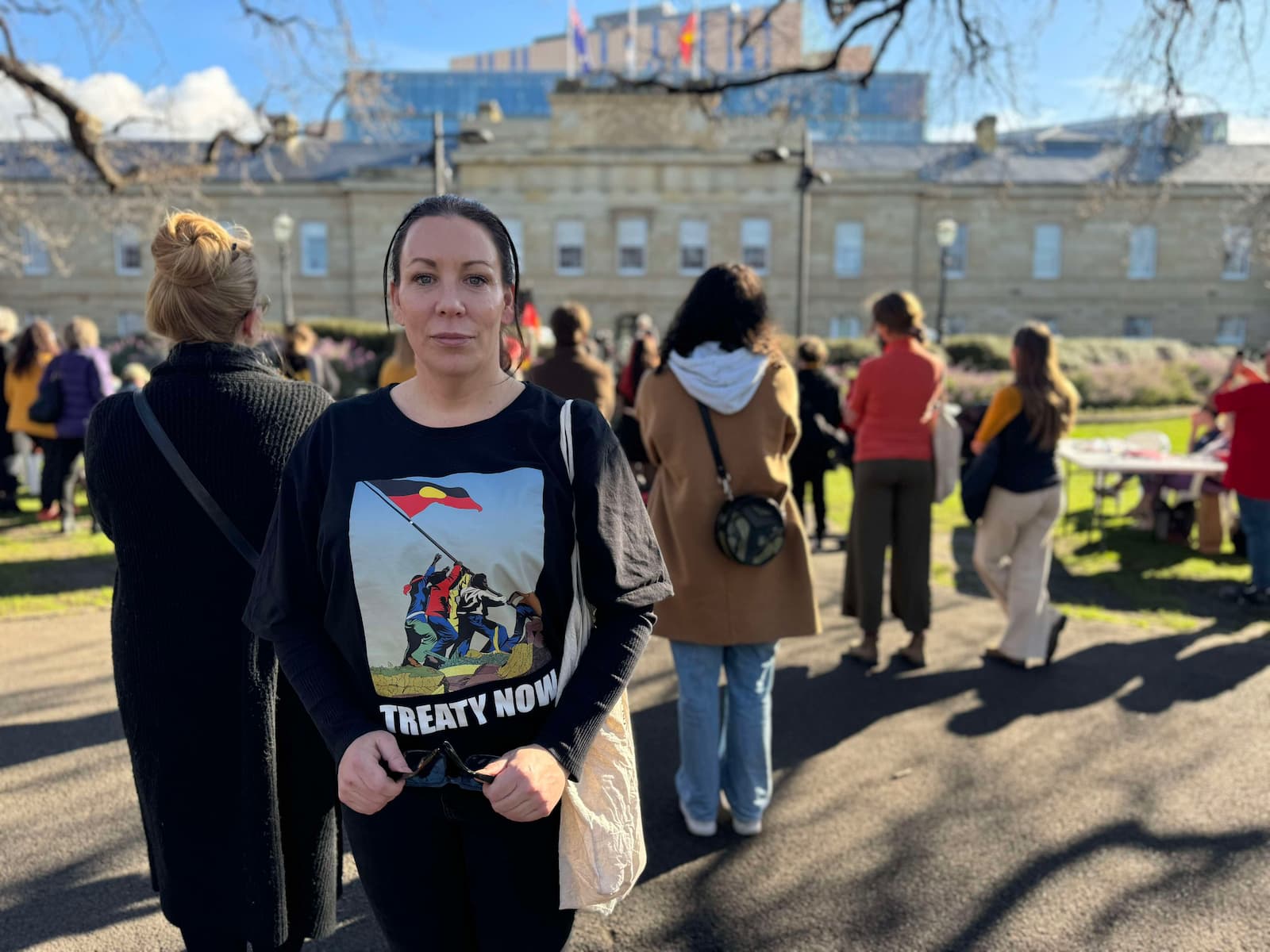
Seemingly at odds with TRACA, Ms Mansell said Aboriginal people are being "completely shut out of any say or control" of Aboriginal heritage.
"We demand the Premier calls off the drafting of Aboriginal heritage legislation by his government until they've at least sat down with the Aboriginal community and spoken with us about how we wish to proceed," Ms Mansell said.
Treasurer Eric Abetz told The Mercury the government was committed to protecting both Aboriginal and colonial heritage.
"We keep a balance on these things and our Indigenous heritage is very important to us, as is the colonial heritage," Mr Abetz said.
"The two can continue to be looked after in tandem, and that is what we as a government seek to do."
Mr Cameron said TRACA's focus remained on achieving a strong and effective Aboriginal Heritage Act which properly protects Aboriginal cultural heritage for future generations.
"We will continue working constructively through the drafting process to support the best possible outcome for Tamanian Aboriginal communities," Mr Cameron said.
"TRACA exists to bring multiple Tasmanian Aboriginal voices into conversations like this. Our role is to make sure the development of this legislation reflects that broad range of perspectives."
A Tasmanian government spokesperson told National Indigenous Times the government recognises "the importance of Tasmania's Aboriginal cultural heritage to Tasmanian Aboriginal people, and all Tasmanians".
"Contemporary legislation to support the protection and management of Aboriginal cultural heritage will be delivered," the spokesperson said.
"The government has consulted extensively on the key elements of the new legislation since 2022, and the draft Bill will reflect those elements broadly agreed."



