




Aboriginal Community Controlled Health Services (ACCHSs) are delivering vital care across the Northern Territory, but chronic neglect - including outdated infrastructure, staff shortages, and "burdensome funding systems" - is undermining Indigenous health outcomes.
A new report commissioned by peak body, the Aboriginal Medical Services Alliance Northern Territory (AMSANT), found 93 per cent of ACCHSs surveyed lack sufficient funding to maintain healthcare facilities and staff accommodation to safe and acceptable standards, while 79 per cent cannot meet client demand due to inadequate infrastructure.
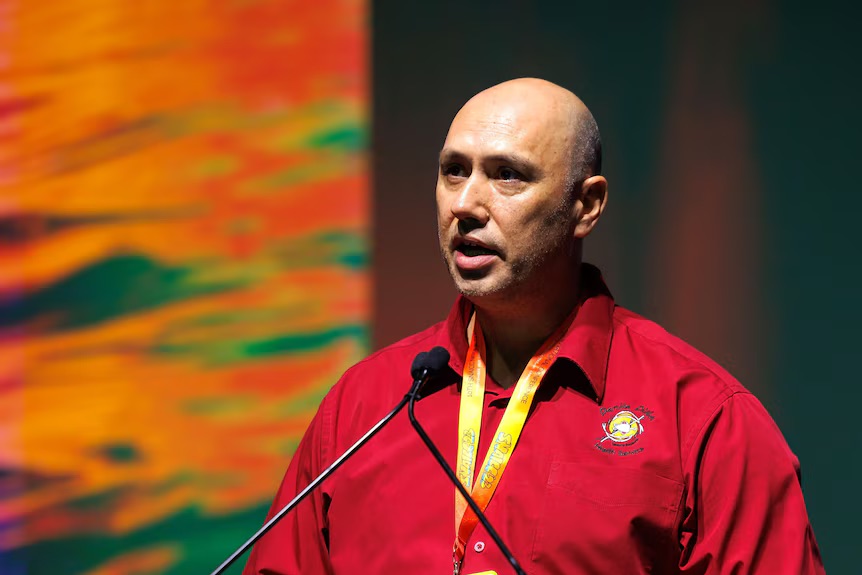
AMSANT chair Rob McPhee said the findings from Facing the Health Gap highlight the urgent need for investment in health infrastructure.
"You can't close the gap without strong foundations," he said, emphasising modern clinics and a supported workforce are essential.
"Our services are doing extraordinary work under enormous pressure in some of our most remote areas, where demand and cost premiums are prohibitively high. It is clear that our communities and health workers are carrying too much of the burden. Governments must step in with urgent and long-term support to make real progress in health outcomes."
In 2023, ACCHSs provided 68 per cent of primary healthcare episodes to 55,000 Aboriginal people in the NT, delivering culturally safe, holistic care that addresses both clinical needs and social determinants of health.
Of the 14 ACCHSs surveyed, ten reduced core services in 2024 due to staff shortages, and 79 per cent said they were not equipped to meet growing healthcare demand over the next year.
"We have lost clinical staff because they did not want to stay in staff accommodation because of its condition. 50 per cent of our clinics cannot be made safe for staff and are not built to allow for a staff area separate from clients," one CEO said.
Another reported: "When there are heavy rains, [there are] leakages in [our] consult rooms and pharmacy. [...] Wifi keeps dropping in ED, which is a big issue. Full wifi revamp is required."
.jpg)
At Urapuntja Health Service in Utopia, services are delivered on unsealed roads, with vehicle maintenance and phone outages causing significant disruptions. CEO Melissa Hinson said she is seeking private funding for sustainable solutions, including a mobile health clinic to provide outreach care where high transport costs and poor roads limit access.
"We operate across 16 homelands on unsealed roads, so every visit carries a remote cost premium, from clinicians to contractors," she said.
"The current funding model doesn't reflect those realities. With fit-for-purpose infrastructure and sustained funding, we can deliver care closer to home and reduce preventable travel."
In Kintore, 540km west of Alice Springs, the Pintupi Homelands Health Service struggles to fix leaks in its 40-year-old clinic and has resorted to leasing shipping containers as makeshift offices.
CEO Leo Menezes says things are very different in remote areas - from access to equipment and supplies, to costs.
"A charter flight for medical supplies costs at least $7,000, and these flights aren't covered under healthcare funding, despite being essential to service delivery. Even a minor plumbing issue costs a minimum of $10,000 due to travel expenses," he said.
"It's hard and we are doing the best we can with what we have, but if we had more funding, and funding that is guided by our community needs, we could achieve so much more."
.jpg)
AMSANT acknowledged recent federal funding, including a $16 million allocation in 2024 for six ACCHSs in the NT, which enabled refurbishments at the Galiwin'ku clinic in East Arnhem Land. However, the report shows all 14 services still face challenges with aging and inadequate infrastructure.
Mr McPhee said, "In remote NT, infrastructure - clinics, housing, roads and transport - is healthcare."
"The Federal Government's past investment recognised that and enabled those health services to focus on delivering care and doing their jobs. Now we urgently need to build on that commitment to meet what is an overwhelming need across all our remote areas."
AMSANT is calling on the Commonwealth to establish a one-off infrastructure fund to restore and replace outdated facilities, while also convening a roundtable with Federal and Northern Territory governments and the sector to develop long-term, sustainable solutions.
Mr McPhee said the federal government needs to "step up and build a pathway of transition to community control" through this funding, calling it an "essential step forward" to provide ACCHSs with the certainty to best deliver their services.
"But we also need to look beyond that, addressing how we can better work together across governments and in partnership with the sector. Aboriginal health services know what works," he said.
"With the right long-term investment and genuine partnership, we can get the funding to where it is needed most on the ground and build the foundations for healthier, safer First Nations communities for generations to come."



