


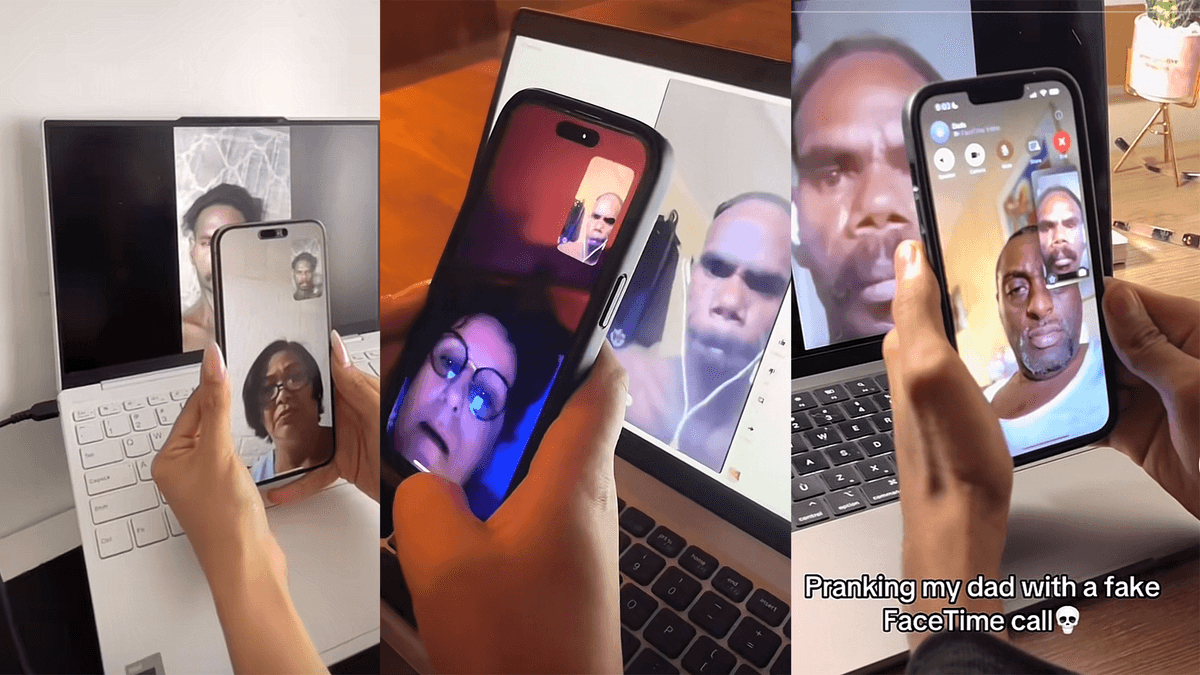
A viral TikTok trend has sparked outcry for its racist implications, using an image of highly respected Aurukun man Eric Yunkaporta as the basis of a so-called "prank".
The trend involves making a FaceTime call while displaying a video of Mr Yunkaporta, prompting recipients to react with shock or concern as if he had stolen the caller's phone.
Having recently resurfaced, the trend can be dated back to December 2021.
The trend has drawn criticism for reinforcing racist stereotypes, coinciding with a series of racist incidents around Invasion Day, including a neo-Nazi counter-protest and a widely condemned racist video.
Mr Yunkaporta's cousin, Tyson Yunkaporta, condemned the trend, saying it has dehumanised his relative while exposing deeper issues with the online treatment of Indigenous people.
"Millions of WEIRD people are using my cousin Eric Yunkaporta's face as a filter," he said, via LinkedIn.
"'FaceTime prank guy' they're calling him, making AI movies, calling him Indian and a serial killer and all kinds... we're all upset about this.
"He's got 11 million views on his TikTok and his face has gone viral."
Eric explained his uncle is a well respected man of culture.
View this post on Instagram
A post shared by National Indigenous Times (@natindigtimes)
"But tech oligarchs run the show and the US government now, so I guess this is just our reality and that's it," he said.
"I was the last one in my family to get a personal mobile phone back in 2016, and I wish I never did, that none of us did."
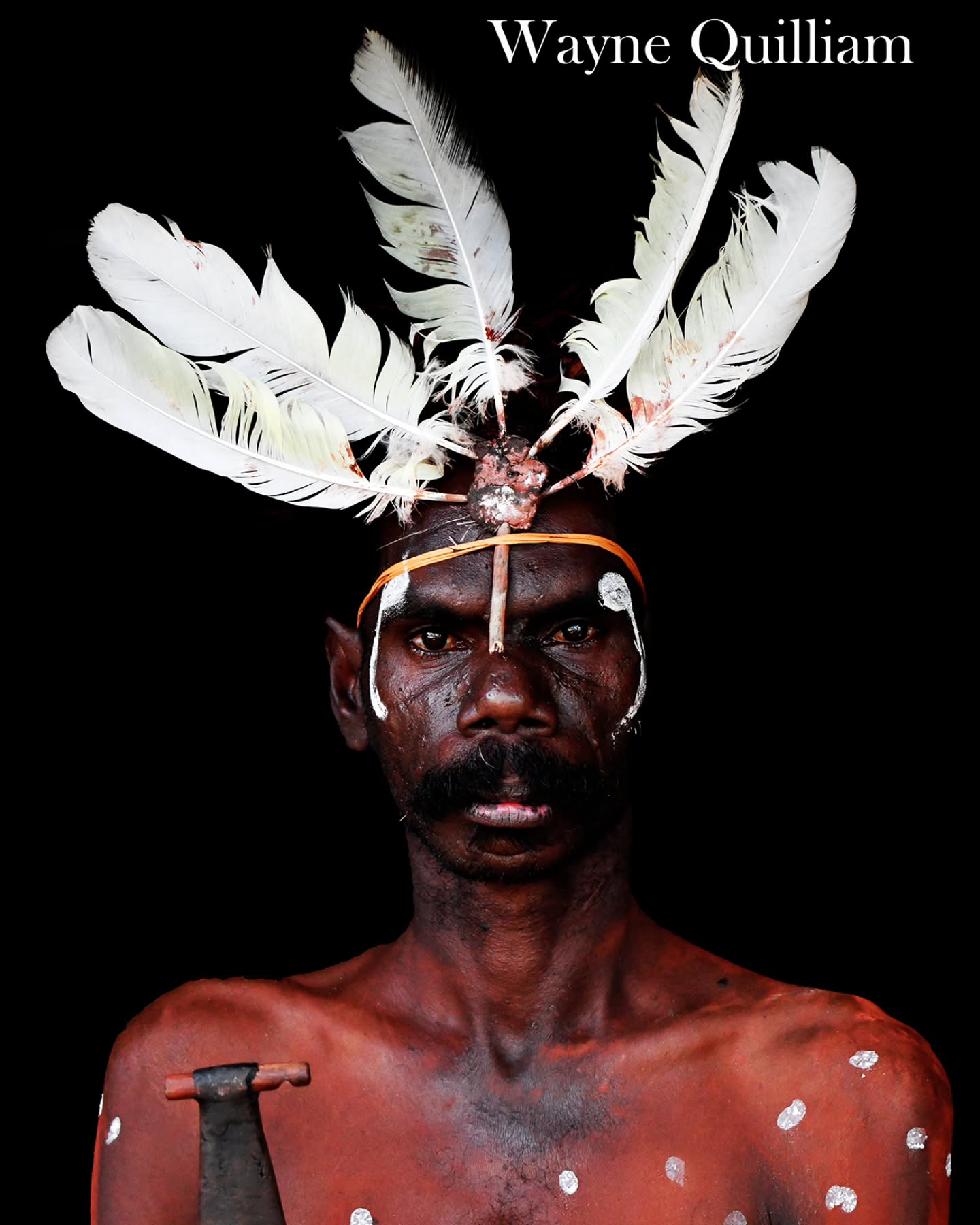
Wayne Quilliam, a freshwater man from Tasmania and an acclaimed photographer, captured an award-winning portrait of Mr Yunkaporta in 2022, earning the $50,000 National Photographic Portrait Prize.
He urged people to share this image to counteract the offensive trend.
"I implore everyone to share this photo of Eric Yunkaporta to combat the extreme racism taking place online," Mr Quilliam said, via Instagram.
"Another unflattering photo of him has gone viral as the 'Aboriginal FaceTime/TikTok prank man,' and we want to show the world this is inappropriate."
The trend has been widely shared on TikTok, with thousands of videos emerging globally.
Indigenous creator Ali Boaza, based in Alice Springs, described the prank as racist.
"I'm always down for a funny 'ha ha ha' trend, but the trend where you guys use a random Aboriginal man to prank call someone on FaceTime is f***ed," she said.
"There's literally people in America doing this trend with random Aboriginal men pranking their family and friends.
"The way some of these people react—their faces, the disgust they have immediately as soon as they see an Indigenous man on their screen—I know it's unexpected, I know it's a f***ing prank, but the disgust is instant."
Model Jeff Francis Kissubi, who has used his platform to raise awareness of issues faced by people of colour, also criticised the trend, calling it "dehumanising" and "harmful."
"For some, it might be harmless, but for many, it just exposes another aspect of how Indigenous people are always vilified for entertainment purposes and never compensated," he said.
"This is not a gimmick. This is not a joke. This is a real person we're talking about that has a life, a history, a story, and obviously an identity.
"It just exposes this idea of reducing the life of an individual to a punchline, perpetuating harmful stereotypes, and normalising exploitative behaviour of using marginalised communities for views."
Despite growing backlash, the trend continues to circulate widely, prompting calls for TikTok to intervene and remove the content.



