




By the time Maurice Longbottom laid his first tackle for the Australian rugby sevens' squad days out from the 2024 opening ceremony, the Paris Olympics was already looking decisively Indigenous.
Even the Tokyo 2020 campaign, just three years ago, barely scratched the surface in comparison.
But at least it was where a primeval Indigenous narrative first intertwined into Australia's storied Olympic past.
That year there was just the single piece of casual apparel to wear outside of competition that traced a connection to Indigenous culture after the nation's 125 years of attending the Games.
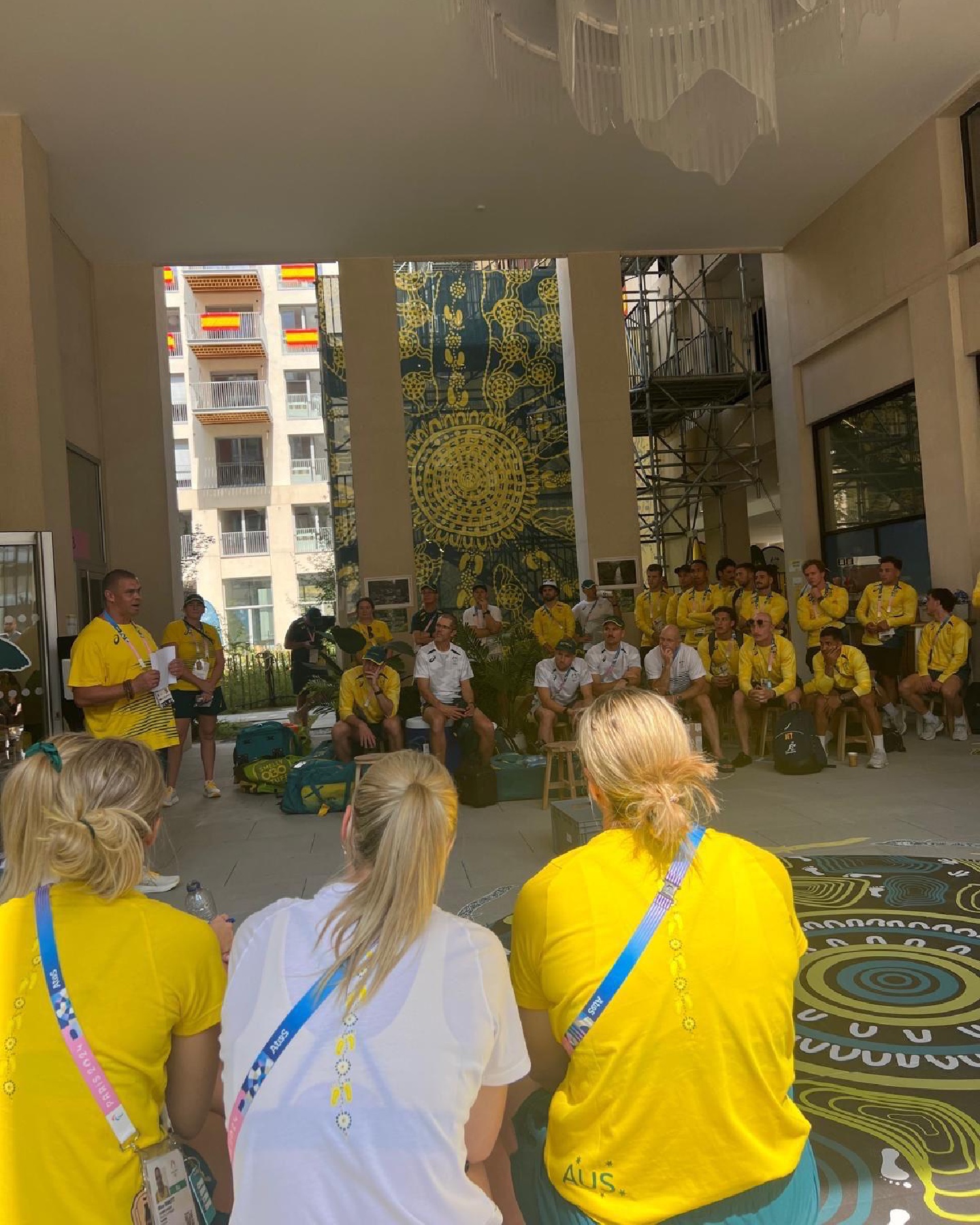
It was not until a spirited mob of non-Indigenous Australian skateboarders had to ask Longbottom the significance behind the Walking Together design t-shirt did a Deadly conversation happen between two cultures.
The largely Generation Y competitors immediately requested to wear that t-shirt print of artistic footsteps representing the 52 past First Nations' Olympians out on the snake runs, ramps, pipes, stairsets, handrails and funboxes.
The Indigenous presence has dropped since Tokyo from the 16 combined Aboriginal and Torres Strait Islanders out of 472 Australians to 11 in Paris out of 460 Australian athletes attending this year.
But for the first time in Australian Olympic team's history, every uniform in every sport will have a touch of Indigenous culture embedded from a Paul Fleming design.
Just weeks out from the competition, the Australian Olympic Committee approached another Indigenous boxer-turned-artist to come up with one finishing touch that would floor its residents at the athletes village in Paris.
Dhungutti man Bradley Hore devised a colourful Yarning Circle on the ground floor as a meeting place.
"They hit me up with that late – I said I think I can design something for that," he told National Indigenous Times.
The purpose of the Yarning Circle was to deliver a way of passing on First Nations' cultural knowledge while building respectful relationships within the housing Olympians from a range of sports.
Hore stands on the Indigenous Advisory Committee to the AOC to increase a greater Olympic cultural awareness and to ensure there's a safe space for Indigenous athletes.
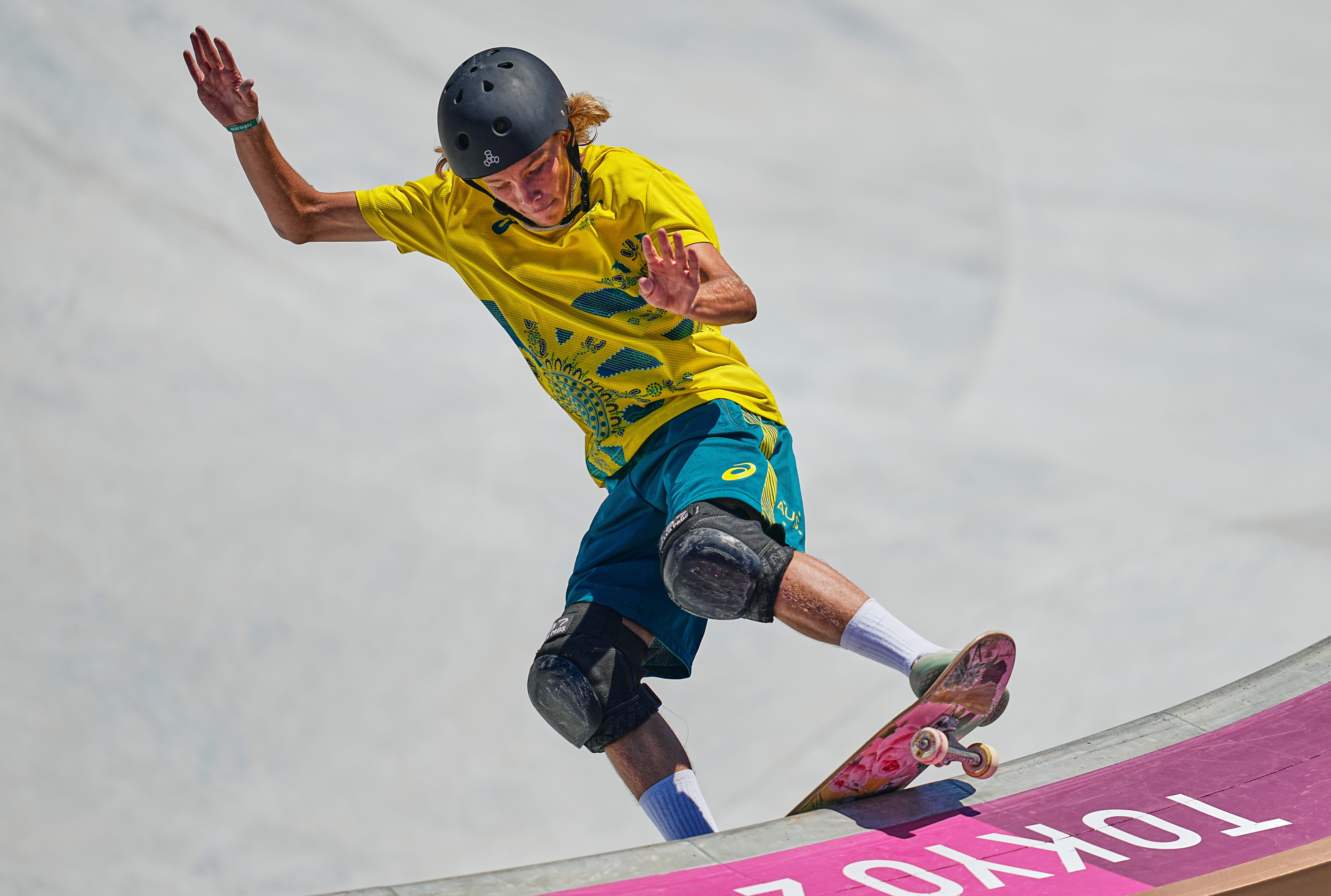
"The idea was when all of the (sporting) teams arrived into the village at Paris to meet all the Chef de Missions was for them to get around that Yarning Circle," he said.
"The main concept was to have teams throughout the days in there yarning, just out telling their stories or just talking about anything, really, to all come together."
Hore, a former 51kg flyweight who went to the 2000 Sydney and 2004 Athens Olympic Games, ensured the circle's design was big on delivering cultural interpretation.
"You'd see some shapes on the circle that represent all the different sports, you see the 60 Indigenous Olympians in the middle of the circle, you have footprints coming in and out and you got emu prints and kangaroo prints through our coat of arms as well," Hore said.
Competitors and officials in Paris have been sending photos back to Hore of the Australians making good use of the Yarning Circle.
He said both the Indigenous and non-Indigenous Australian Olympians are "one together striving for the same goals" around the circle that has been critical for generations of Aboriginal cultures to share stories in the outback.
"Not just for our Indigenous Olympians – this is for everyone," Hore said.
"We're all for Australia and we compete under that one flag still, but we have also got our separate flags that represent our people and our homes.
"It's always good to sit back and say I did that artwork for the Olympics."
Fleming, a Wakka Wakka and Wanyurr Majay man but residing on Yuggera Country, is also behind the Walking Together wall decal that is also located in the athletes village.
"The centrepiece (of the design) represents a meeting place – because the Olympics brings together people of all colours, religions and backgrounds from all over the world, who are all competing for the same goal," Fleming said.
Torres Strait Island artist David Bosun designed the spectacular Ngalmun Danalaig (Our Way of Life) other wall decal.
Bosun's piece captures the main elements of the traditional and modern ways of life in Zendath Kes, the unique place Torres Strait Islanders call home.
"The winds in this artwork flow diagonally through the Dhari, our traditional head dress, in the middle. The islands sit within the horizon line and the currents move from top to bottom, bottom to top," Bosun explained.
"All the lines converge in the centre, through the Dhari. The Dhari is a key ceremonial piece for us. It is worn during ritual celebrations, specifically in dance ceremonies. It is a powerful and important cultural item."



