



Indigenous communities living in and around the epicentre of Colombia's devastating earthquake on Monday have been left in disarray.
It is estimated 132 Colombians have lost their lives throughout the country from the 7.4-magnitude earthquake, including members of Indigenous tribes. Others have been left injured with their homes destroyed.
The United Nations workforce in the south of the country says food distribution following the initial emergency response efforts remains critical amid a struggle for the survivors.
Initial reports indicated extensive damage in Chocó administrative department including damage to its limited roads, which is having an especially serious effect on Indigenous communities living in the rural or isolated areas.
A prominent Indigenous leader told CNN that assistance from UNICEF, the United Nations' agency providing aid particularly for children, had yet to reach the affected Chocó area.
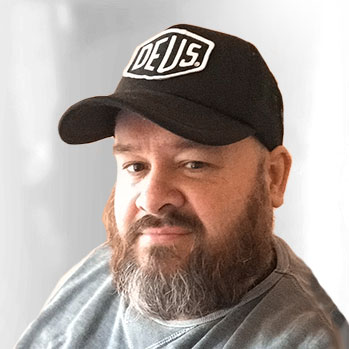
Victor Chamapuro, leader of the Wounaan Indigenous Reserve called 'Buenavista' in Litoral del San Juan in southern Chocó, said the earthquake "felt so strong".
Other survivors recounted their terrifying experiences to the media hours later, with one shaken survivor comparing the tremors to a scene from The Exorcist movie.
"All our houses are on the ground," Mr Chamapuro said on Tuesday.
"Where are we going to sleep now? We have to be alert now, we're sleeping outside."
Mr Chamapuro called on authorities to urgently send food and medicine to the reserve.
Chocó already faced poverty, inadequate infrastructure and limited healthcare access before the natural disaster added further to its vulnerabilities.
The Buenavista Indigenous reserve can only be reached by boat with a five-hour journey from the Pacific port of Buenaventura.
The Indigenous community is situated in a remote region where waterways are important for transportation and daily life.
Mr Chamapuro shot footage from the reserve that displayed living quarters flattened, which appeared to be built from simple timber and corrugated iron sheets.
Other homes in the Indigenous community can be seen to be still standing, but with varying levels of damage.
The reserve is a collectively held Indigenous territory, with its own Indigenous governance and an Indigenous guard responsible for protecting the largely Wounaan residents.
The Wounaan community of 12,116 people is the second largest Indigenous nation in the country behind the 55,212 people from the three-related Emberá communities, according to Colombia's national statistics agency's last census.
The Wounaan people have deep cultural and economic connections to their Chocó territory that includes traditional agriculture, fishing, hunting and gathering, and are also renowned for selling their cultural handicrafts as a source of income.
Colombia's geological service said the quake was the country's strongest recorded "in the 21st century", and it was followed by several aftershocks.
Its Pacific region in northeastern parts of South America lies along the Ring of Fire, the line of seismic faults encircling the Pacific Ocean where most of the world's earthquakes occur.
The Chocó region, where 15 per cent of its population are considered Indigenous, is one of the country's poorest areas nestled among dense jungle.
This epicentre is about 400 kilometres west of Colombia's capital Bogota.
The natural disaster is the first serious earthquake to hit Indigenous communities since June 6, 1994. A 6.4-magnitude earthquake struck on that day, along with the upper Páez River in the nearby Cauca department.
The seismic event triggered hundreds of landslides that included a massive avalanche, which swept through another Indigenous territory.
About 1,100 people died, and roughly 7,925 families were also directly affected across 40,000 hectares of territory.



