



Major sporting associations and on-the-ground organisations are calling for a commitment by all to stamp out racism in community sport.
Victoria's new state-wide campaign Racism Doesn't Belong In Our Game was launched to raise awareness on the issue and impact it has on First Nations and multicultural communities, with stories of lived-experience told, engagement and support to make it stop.
The Centre for Multicultural Youth and its CMSport arm delivers the initiative in partnership with VACSAL (VACSAL - Victoria Aboriginal Community Services Association Ltd), and the Victorian sporting bodies of the AFL, basketball, cricket, football, the NRL, netball, and tennis.
Vicsport, the state's peak for sports and recreation and the state government are also on board.
Online resources share experiences from seven individuals from diverse backgrounds.
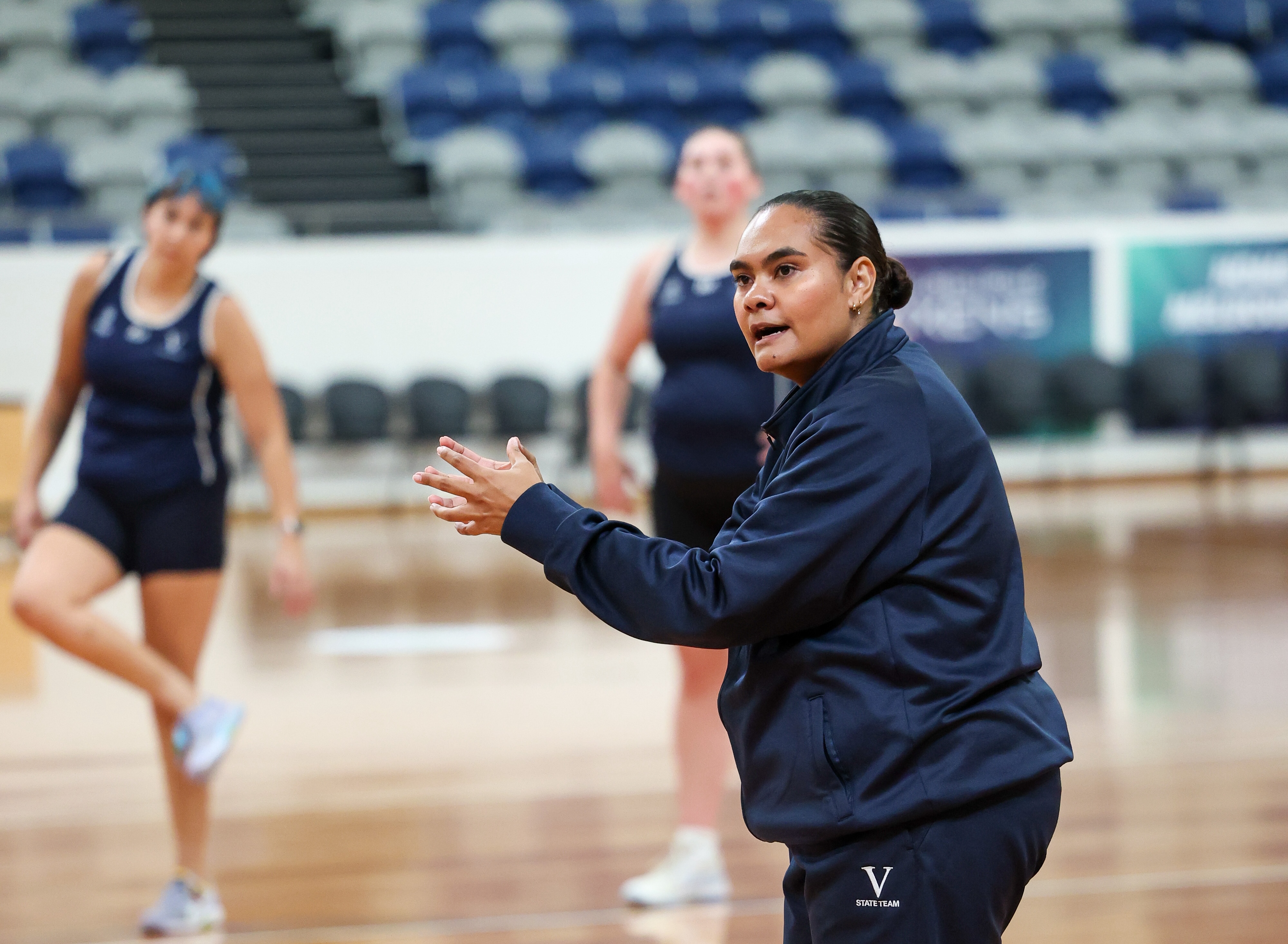
Lee Bevan-Woodley is the current coach of Victoria's First Nations state netball team, and a former player in the high level pathways.
There were times she wanted to step away from the sport, which she said could be an isolating time, and when a seat at the table is presented, you're often sitting there alone.
In her sport, things are heading in the right direction for First Nations peoples, but not fast enough.
"It's not for us to initiate and drive this conversation anymore," she told National Indigenous Times.
The campaign backs clubs and communities to be the one's helping lead the difference - in recognising, calling out and preventing examples of racism.
Online resources provide information, as well as downloadable campaign kits for use, directions to where instances can be reported and support services offered.
"Sometimes being the only identified athlete in these spaces...and in the past, not having the support that there is now," could be lonely time, Bevan-Woodley said.
Now, as a coach, it can be an isolating feeling "because I'm having to try and make decisions that better us" without more Aboriginal and Torres Strait Islander people in the room, she explained.
Even positive moves and developments made in sport, when delivered, can "lose its Blakness" Bevan-Woodley said.
When asked to be involved in the campaign, she tapped back into her own experiences, and has since spoken to Aunties who, alongside expressing their pride, resonated with what was shared.
Effective change will come through being proactive, rather than reactive, she said.
She also said standards-set and policies driven can start strongly at the community level, with the right kind of support from organisations higher up behind it also required.
"My hope for this video and the whole campaign is that we sit down and we start to talk about education," Bevan-Woodley said.
"It's not for us to initiate and drive this conversation anymore. It's happening to us, so we need other people to come on board and help drive that.
"If my aunties are talking about my stories resonating with them, then nothing really has changed...And we've got to do a lot better now for our young ones coming through, whether they're going to be players, coaches, administration or just spectators."
Former WNBL player Sharin Milner, former Melbourne Victory FC player Gülcan Genitsaris and Australia Rules umpire and club president Nabil Yassine are among other spokespeople involved in Racism Doesn't Belong In Our Game.
Examples of racism and vilification experienced by professional players at the top level of sports are periodically reported and come to public light, with leagues notifying steps taken to address the issue.
Though, examples are found to also occur under less of the spotlight.
A 2025 report out of Victoria University, with collaboration from the Centre for Multicultural Youth (CMY) and Koorie Heritage Trust found 30 per cent of survey participants in community sport had directly experienced racism, with a further 26 per cent having witnessed it.
Monash University led research study, in partnership with Victoria University and the University of Melbourne, behind the current campaign.
CMY will lead the Racism Doesn't Belong In Our Game social media campaign and a state-wide roadshow.
"The strength of this campaign lies in the collective commitment of major sporting bodies in Victoria to work together to acknowledge and address racism in community sport," CMY and CMSport chief executive Carmel Guerra said.
"Community sport should be a space where everyone feels safe, and has a sense of belonging. But when racism happens in community sport, the impacts are felt long after the game is over."
VACSAL chief executive Aunty Linda Bamblett was clear "Addressing racism is everyone's responsibility".
"To bring about significant change and make sports free of racial discrimination it is ALL our moral and ethical obligation to call it out when you witness it," Aunty Linda said.
"It is not enough to be a passive bystander - you need to get involved by making a conscious decision to be a warrior in the fight against racism."
Victorian Minister for First Peoples, and Community Sport Ros Spence attended last week's launch.
"Whether it happens on the field, on the court, in the stands, in change rooms or online, racism harms individuals, families, clubs and communities," Ms Spence said.
The partnered sporting bodies are AFL Victoria, Basketball Victoria, Cricket Victoria, Football Victoria, Netball Victoria, NRL Victoria and Tennis Victoria.
The launch was hosted at the Western Bulldogs Community Foundation in Footscray on Thursday, June 25.



