




The New South Wales Aboriginal Land Council wants to see political courage, arguing government says one thing during Reconciliation Week while doing another for Indigenous rights and outcomes.
In recent months, the state peak has been critical and voiced its concern around proposed changes to crown land legislation in NSW, saying it could erode 40 years of fighting and progression in Aboriginal land rights.
Protests in March saw the proposal postponed.
Minister for Lands and Property Steve Kamper had said the legislation changes were only an effort to address edge cases which became claimable due to technical non-compliance, such as an invalid sub-lease.
On Wednesday, the New South Wales Aboriginal Land Council (NSWALC) called on governments across the country "to stop treating reconciliation as a symbolic exercise while continuing to weaken Aboriginal rights in practice", pointing to failures in closing the gap, resistance to structural reforms and the nine years since the Uluru Statement from the Heart, and close to 60 since the 1967 referendum.
"We cannot keep talking about reconciliation while governments continue to erode Aboriginal rights, weaken land rights frameworks and refuse to establish permanent national representation for our people," NSWALC chair Raymond Kelly said.
"For nearly twenty years governments have spoken about 'Closing the Gap', yet Aboriginal people remain over-incarcerated, over-represented in child protection systems and continue to face entrenched disadvantage.
"The problem is not a lack of reports or strategies. The problem is governments refusing to address the structural causes of inequality."
Child removal rates, housing insecurity, poverty, systemic racism remain while governments "continue to resist the structural reforms necessary to deliver justice and self-determination", NSWALC said, despite an expectation "governments would finally address the systemic exclusion and inequality faced by Aboriginal and Torres Strait Islander peoples" in 1967.
NSWALC are calling on the establishment of a national representative body for stronger legal protections for Aboriginal rights and lands; an end to legislative attacks on Aboriginal land rights; and genuine accountability from governments on Aboriginal outcomes.
Earlier this week, Uluru Dialogue co-chairs Pat Anderson and Professor Megan Davis wrote: "nine years on from the Uluru Statement from the Heart being offered as an olive branch to Australia," and its message remaining "as urgent, relevant and necessary as ever" with many problems faced by First Nations people remaining, if not getting worse.
NSWALC also pointed to recent federal inquiry into racism against Indigenous people.
"Governments cannot claim to be 'all in' on reconciliation while continuing to weaken Aboriginal rights and avoid the structural reforms needed to address injustice," Dr Kelly said.
"Reconciliation cannot survive on jerseys, logos and morning teas while governments continue to weaken Aboriginal rights.
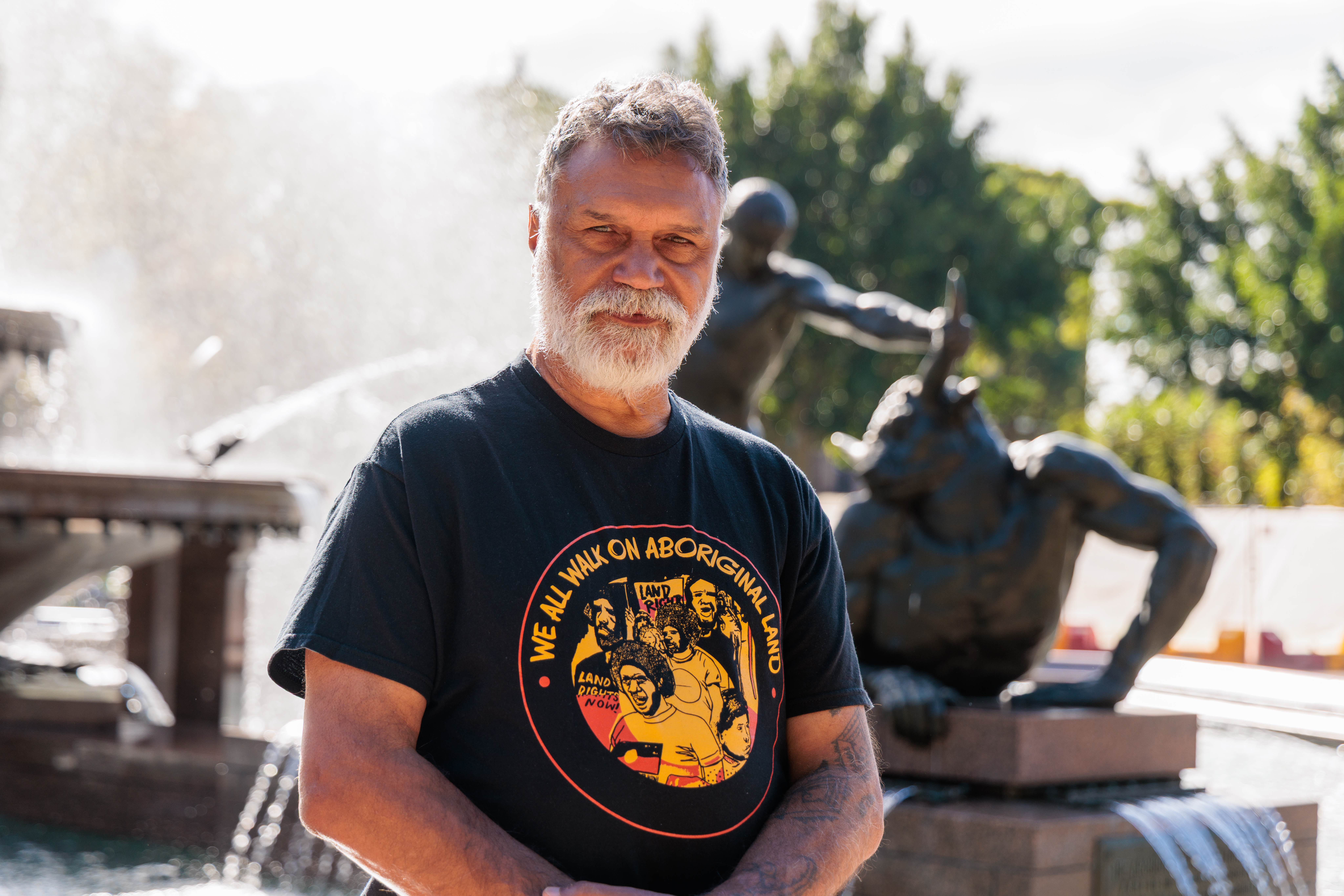
"Aboriginal people are not asking for symbolism.
"We are asking for protections, representation and the political courage to address the structural injustice that continues to define this country."
On Land Rights in NSW, just 0.2 per cent of the state has been returned to Aboriginal people.
"That statistic alone exposes the myth that Aboriginal land rights have gone too far," Dr Kelly said.
NSWALC has previously outlined how 43,000 historical claims, some dating as far back as the 1980s, remain in the NSW land claim pipeline.
"Governments ask why Aboriginal disadvantage persists while refusing to acknowledge that land is fundamental to economic independence, housing, cultural revitalisation and long-term community wellbeing," Dr Kelly said.
National Indigenous Times contacted the NSW Government for comment.



