


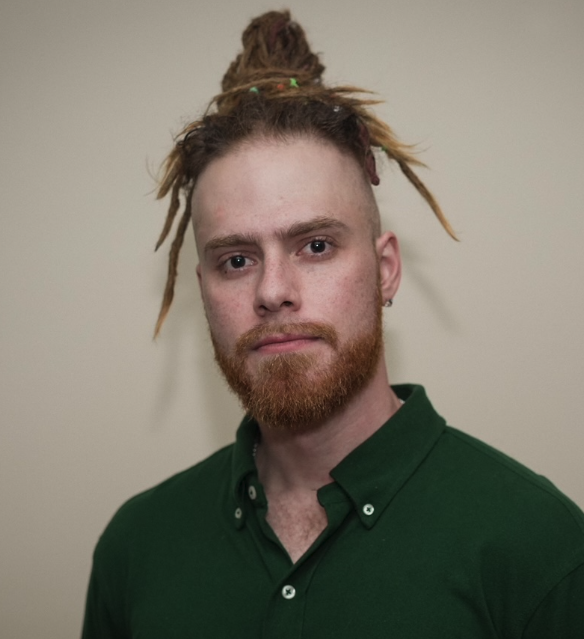

Tongan-Australian author Winnie Dunn, hailing from the villages of Malapo, Kolomotu'a, and Kolonga, brings a compelling narrative to life in her debut novel, "Dirt Poor Islanders."
Born in Kempsey and raised in Mt Druitt, Ms Dunn's upbringing imbues her storytelling with a rich tapestry of cultural influences.
"It's my first novel, which is really um exciting but also very frightening," Ms Dunn said.
"But i've got a lot of love and support from the Pasifika community and the writing community."
Growing up, Ms Dunn noticed a poor representation of her culture through shows like Struggle Street and Chris Lilley's depiction of Tongan men and boys in "Jonah from Tonga," where he played an illiterate 13 year-old Tongan boy.
This resulted in her feeling shame in her culture and identity.
"Chris Lilley just put on brownface and an afro wig and enacted these really racist, homophobic, hyper sexual and hyper violent depictions of Tongan children," she said.
"Struggle Street, the SBS doco really made me feel like it was trash to come from Mt Druitt and it wasn't a special place.
"But now as an artist myself from the area, you you really get to look back on the hood, the streets and all the stuff you have to go through to kind of just even survive the day."
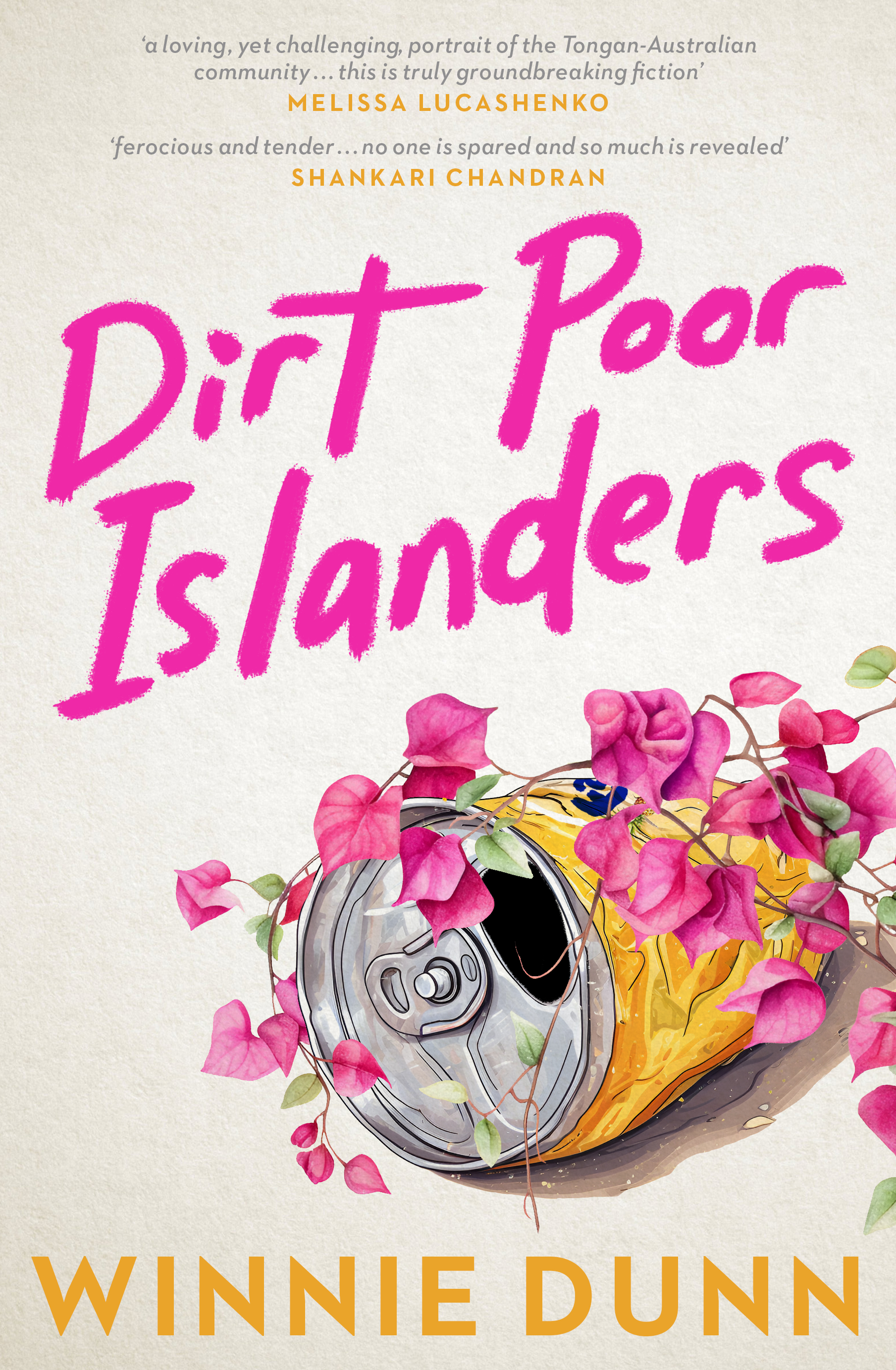
"Dirt Poor Islanders" delves into the complexities of identity and belonging, as protagonist Meadow Reed grapples with her heritage amidst the contrasting landscapes of Australia and Tonga, drawing comparison to the authors own experiences.
Through Meadow's journey, Ms Dunn invites readers to contemplate the intricacies of identity and the transformative power of self-discovery.
"It's in the genre called autobiographical fiction so based on my real life but fictionalised," Ms Dunn said.
"Meadow comes from that kind of racially blended family, looking different to everybody else.
"So she has to kind of reconcile that and come to an understanding that there's no one way to look Tongan or be Tongan."
Ms Dunn paints a vivid picture of Meadow's journey, navigating the fractures between cultures and the quest for self-understanding.
Meadow's experience of straddling two worlds is poignantly captured as she wrestles with the notion of being both "full-White and full-Tongan," ultimately realising that her identity transcends simple categorisation.
Set against the backdrop of Mt Druitt, Western Sydney, the novel explores themes of community, tradition, and the search for personal authenticity.
Published by Hachette Australia in collaboration with the Sweatshop Literacy Movement, of which she is now General Manager, "Dirt Poor Islanders" is more than a coming-of-age tale; it's a testament to the resilience and beauty found in the intersections of diverse cultural experiences.
"Sweatshop is a Western Sydney based organisation that's dedicated to empowering First Nations people and people of color through reading, writing and critical thinking," Ms Dunn said.
She described her time with Sweatshop to be a life changing experience, highlighting the various techniques and unique perspectives that helped her craft her debut works during it's five-year course.
The book received a glowing review from acclaimed Indigenous author Melissa Lucashenko, describing it as "a loving, yet challenging, portrait of the Tongan-Australian community...this is truly groundbreaking fiction".
Ms Dunn said she was "really lucky to get her endorsement - she doesn't give them out very often so I felt really honored and humbled to have her endorsement".
Ms Dunn will feature in 'Between Cultures' at the upcoming Brisbane Writers Festival in May with fellow authors Melanie Saward, Jade Kake, Sara M. Saleh and Yen-Rong Wong.



