



The Queensland Court of Appeal has handed the state government a defeat, restoring in full a case that seeks to protect the Doongmabulla Springs from the impacts of Adani's Carmichael coal mine.
The case, brought by Nagana Yarrbayn Wangan and Jagalingou Cultural Custodians, will now proceed to trial following a unanimous ruling by the Court's full bench.
The State's appeal was dismissed, the Cultural Custodians' cross-appeal upheld, and the government ordered to pay all legal costs.
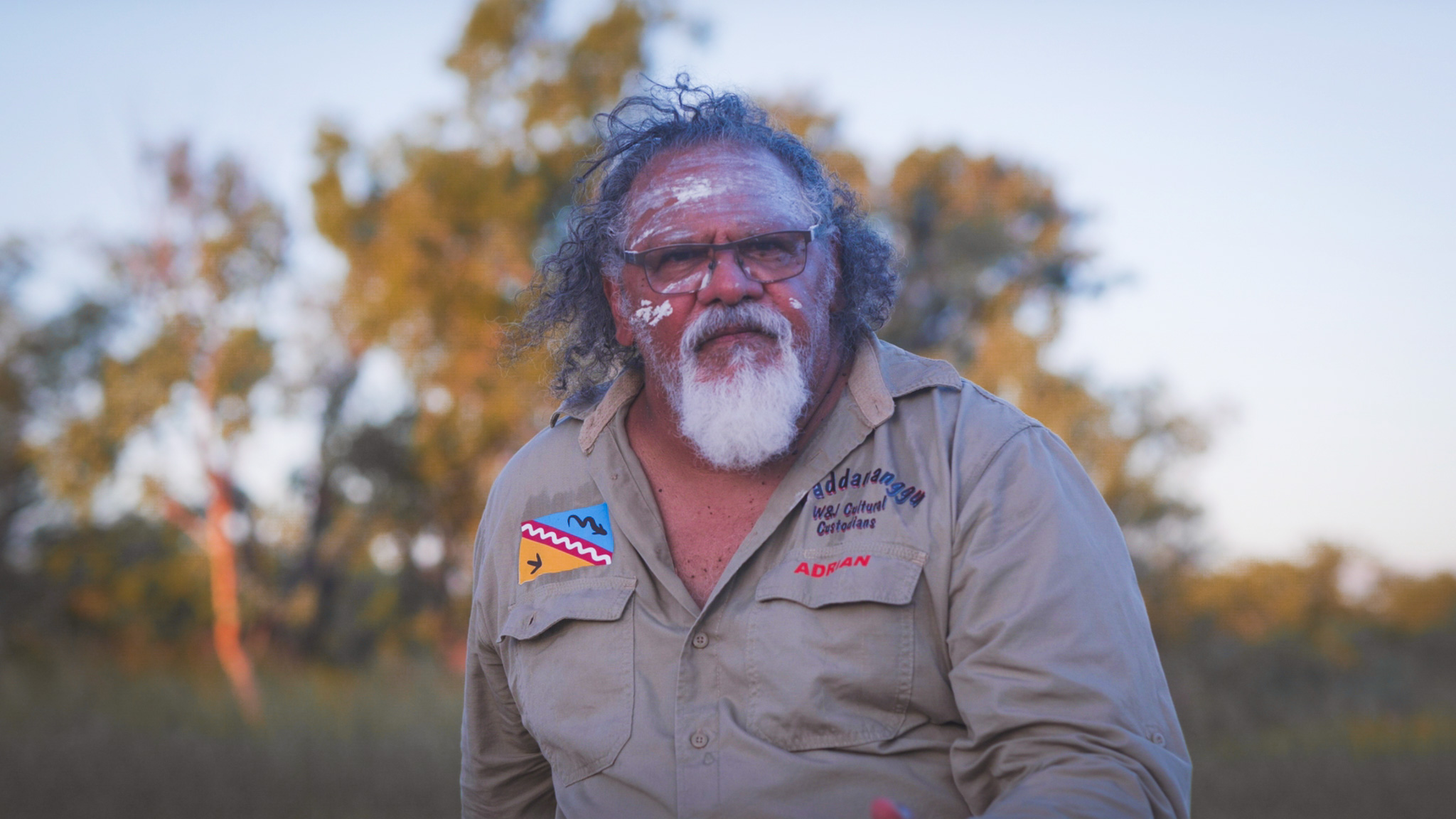
Senior Cultural Custodian Adrian Burragubba said the decision ends two years of delays under two governments.
"Two years and two governments down, and we can finally go to trial," Mr Burragubba said.
"The State tried everything to shut this case down before the evidence could be heard. They failed."
He said the case affirms cultural rights as enforceable and grounded in longstanding First Nations law.
"This fight has always been about our cultural rights - rights that have existed all along, not granted by governments but inherent to who we are as First People," Mr Burragubba said.
"As custodians, we have the right to speak for Country and the obligation to protect it.
"Today the Court recognised both: that our rights are real, and that we can use them to hold governments accountable when they fail to protect our sacred places."
The ruling is the first appellate decision in Queensland confirming that cultural rights under the Queensland Human Rights Act can form a legal basis to challenge government inaction on sacred sites.
The Court found that cultural rights "do not owe their origin" to the Act but are recognised by it.
The judgment said damage to land or waters could impair the strength of the relationship between Indigenous people and Country and that these are not symbolic rights but substantive ones.
Mr Burragubba said the decision opens a new legal path for other custodians.
"This decision opens a pathway - not just for us, but for First Nations custodians across Queensland and potentially the country," he said.
The custodians began legal action in February 2024 after the Department of Environment refused to act on scientific evidence warning of the mine's impact.
Independent reports from Griffith University and Flinders University, along with government-commissioned research from CSIRO and Geoscience Australia, had highlighted threats to the ancient spring system.
Instead of responding, the State spent two years attempting to have the case struck out.
The Queensland Human Rights Commission intervened in support of the custodians, while Attorney-General Deb Frecklington argued their rights were not enforceable.
Mr Burragubba said the scientific evidence has still not been tested in court.
"We have fought for eleven years to protect Doongmabulla Springs," he said.
"The evidence of the harm since mining commenced is clear but has never been heard in court.
"The State fought for two years to prevent that happening. Now they will have to face it."
The Queensland government may seek leave to appeal to the High Court, though Mr Burragubba said the custodians are prepared.
"If the State wants the High Court to decide whether Aboriginal cultural rights are real and enforceable, we will meet them there," he said.
"But they have wasted two years already... at some point they need to stop running from their responsibilities and start doing their job - protecting the Doongmabulla Springs - and respect our human rights."
The springs still remain at risk.
"The Doongmabulla Springs are the home of Mundagutta, the Rainbow Serpent, and central to Wangan and Jagalingou creation stories," Mr Burragubba said.
"They are sacred to us. The water itself has been dated at over 500,000 years old.
"If the Springs are destroyed - and they are in real danger - that connection is severed forever... that is irreversible loss - of nature, of culture, of who we are."



