




The Nagana Yarrbayn Wangan and Jagalingou Cultural Custodians are urging immediate government action to protect the sacred Doongmabulla Springs from Adani's Carmichael coal mine.
New peer-reviewed research supports longstanding cultural concerns that open-cut mining at the site risks draining water from the Springs, an ancient water source central to the Wangan and Jagalingou people's cultural practices.
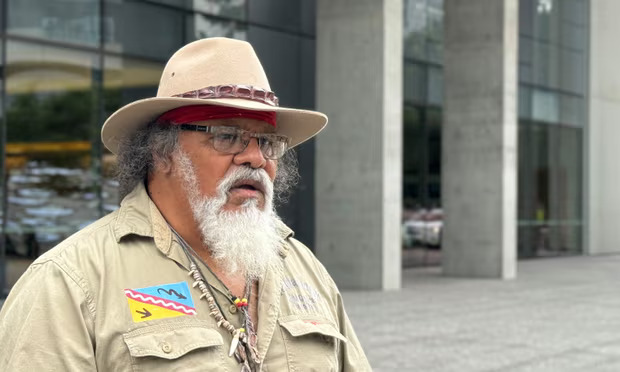
Senior custodian, Adrian Burragubba said longtime warnings have been made about the mine's impact on the Springs.
"For over a decade, we have warned about the threat to the Doongmabulla Springs posed by Adani's Carmichael coal mine," he said.
"This new science highlights the urgency for governments to prevent irreversible harm to our sacred site."
The study, published in an international scientific journal, reveals the Springs' connection to aquifers that will likely be impacted by the mine's water usage.
Independent scientists report that some of the water in the Doongmabulla Springs is over 500,000 years old and that "multiple groundwater sources" sustain the spring.
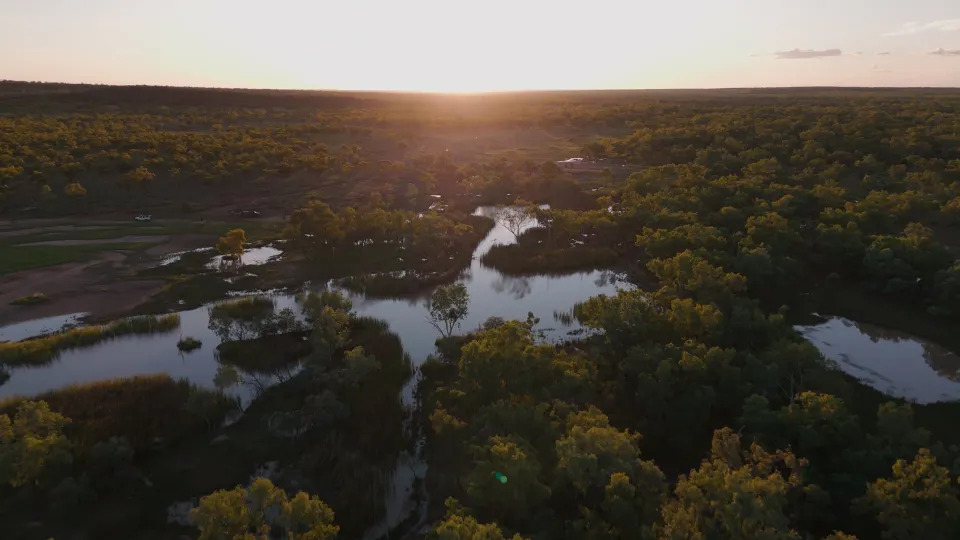
Dewatering, according to the study, is "likely to divert flow away from these springs and reduce discharge," posing a direct threat to this ancient water source and the ecosystems it supports.
For the Wangan and Jagalingou people, the Doongmabulla Springs are not only a vital ecological feature but also a sacred site tied to the Mundangurra, or Rainbow Serpent, a significant figure in their Dreaming stories.
Mr Burragubba stressed the cultural importance of the site.
"Adani's mining is not only destroying our most sacred site but also breaching our human rights," he said.
"Governments must intervene before our cultural heritage is lost."
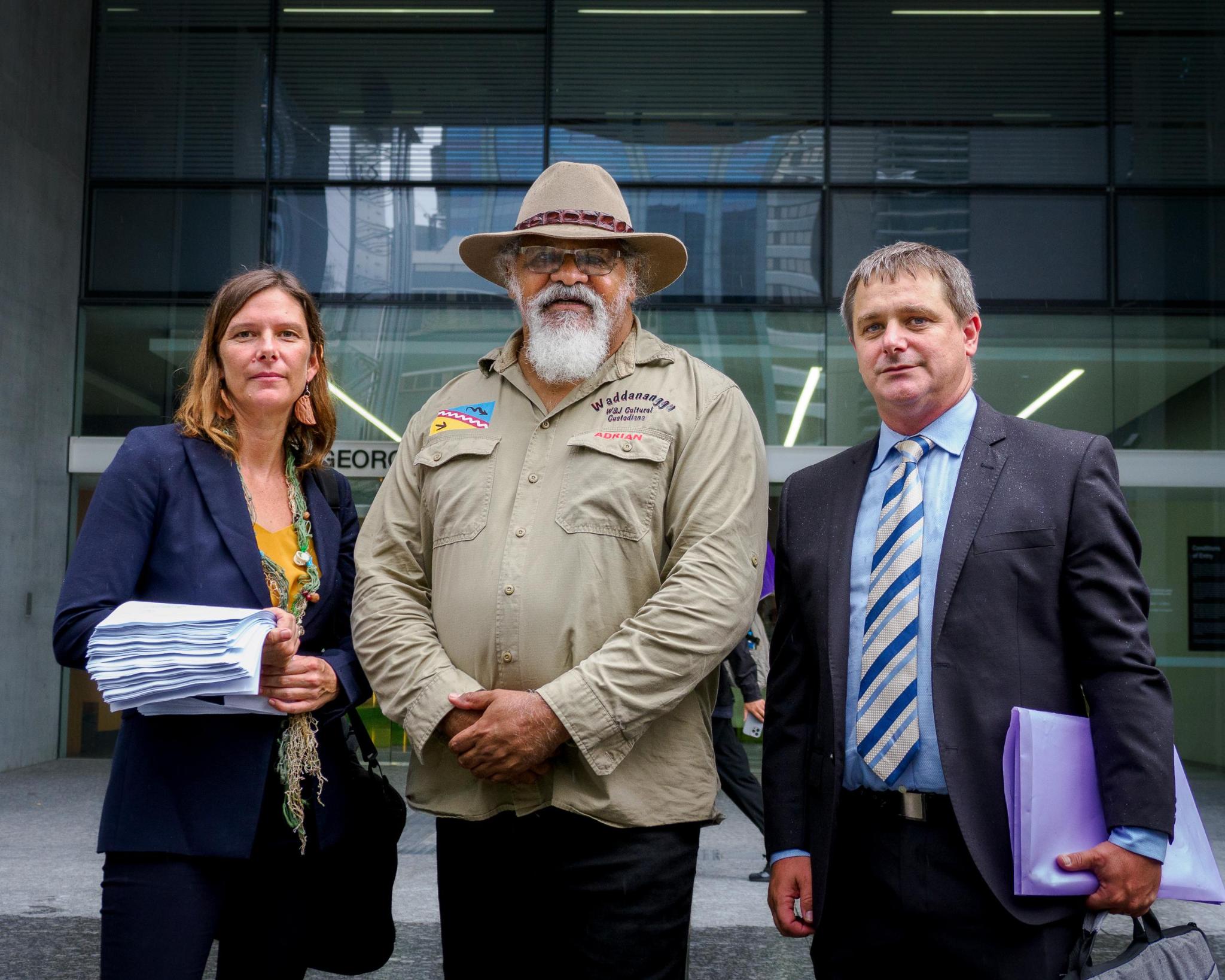
The traditional custodians have taken the Queensland Government to the Supreme Court, aiming to enforce protections under the Queensland Human Rights Act.
They are challenging the government's inaction, alleging that the Queensland Government has filed to delay proceedings, hindering the case.
They have also requested Federal Environment Minister Tania Plibersek to address reported breaches of Adani's federal environmental approvals.
So far, they claim that federal inquiries have led to no concrete action.
The study's lead author, Professor Matthew Currell, highlighted the oversight in environmental assessments before Adani's approval.
"The risk from this project was clear. We are now seeing environmental damage with limited ability to bring things back or remediate once the harm is done," he said.
Professor Currell said authorities and Adani are "playing catch-up" at the expense of the Springs' ecosystems and cultural values.
GetUp's First Nations Justice Campaign Director, Jason Field, criticised Adani's recent responses to scientific evidence, describing them as smear tactics to "undermine the integrity of professionals" whose findings clash with Adani's narrative.
"Adani's approach is not only evasive but part of a larger issue where Traditional Owners face dismissive attitudes towards their cultural obligations and deep knowledge," Mr Field said.
"If their research on Doongmabulla's water systems is truly sound, why aren't those researchers standing by their findings publicly?"
Alawa Traditional Owner, Bradley Farrar, from the Northern Territory voiced his support, warning against further threats to water resources.
"Enough is enough – stop giving away our water. Water sustains our land, our culture, and our people," he said.
"When it's taken away, our way of life is at risk."
The custodians are determined to press for stronger environmental protections, emphasising the cultural and ecological stakes.
"Governments have delayed action at the cost of our heritage and land," Mr Burragubba said.
"It is time for accountability."
National Indigenous Times has contacted Adani for comment.



