




Fiji's Ministry of Agriculture and Waterways is testing two biological control agents that could help manage African tulip, with both being kept under secure containment while their environmental safety is assessed.
The gall-forming mite Colomerus spathodeae and leaf-mining flea beetle Paradibolia coerulea were imported for laboratory research and confined trials at Koronivia Research Station.
No uncontrolled field release of either agent has occurred.
Director of Research and Agriculture Scientific Services Dr Shalendra Prasad said the research was being conducted under strict safeguards.
"The research is being undertaken under strict containment and in accordance with the conditions set by the Biosecurity Authority of Fiji (BAF)," Dr Prasad said.
"At this stage, there has been no uncontrolled field release of either biological control agent.
"Our focus is to generate sound scientific evidence through host-specificity testing and confined trials before any consideration is given to a future field release."
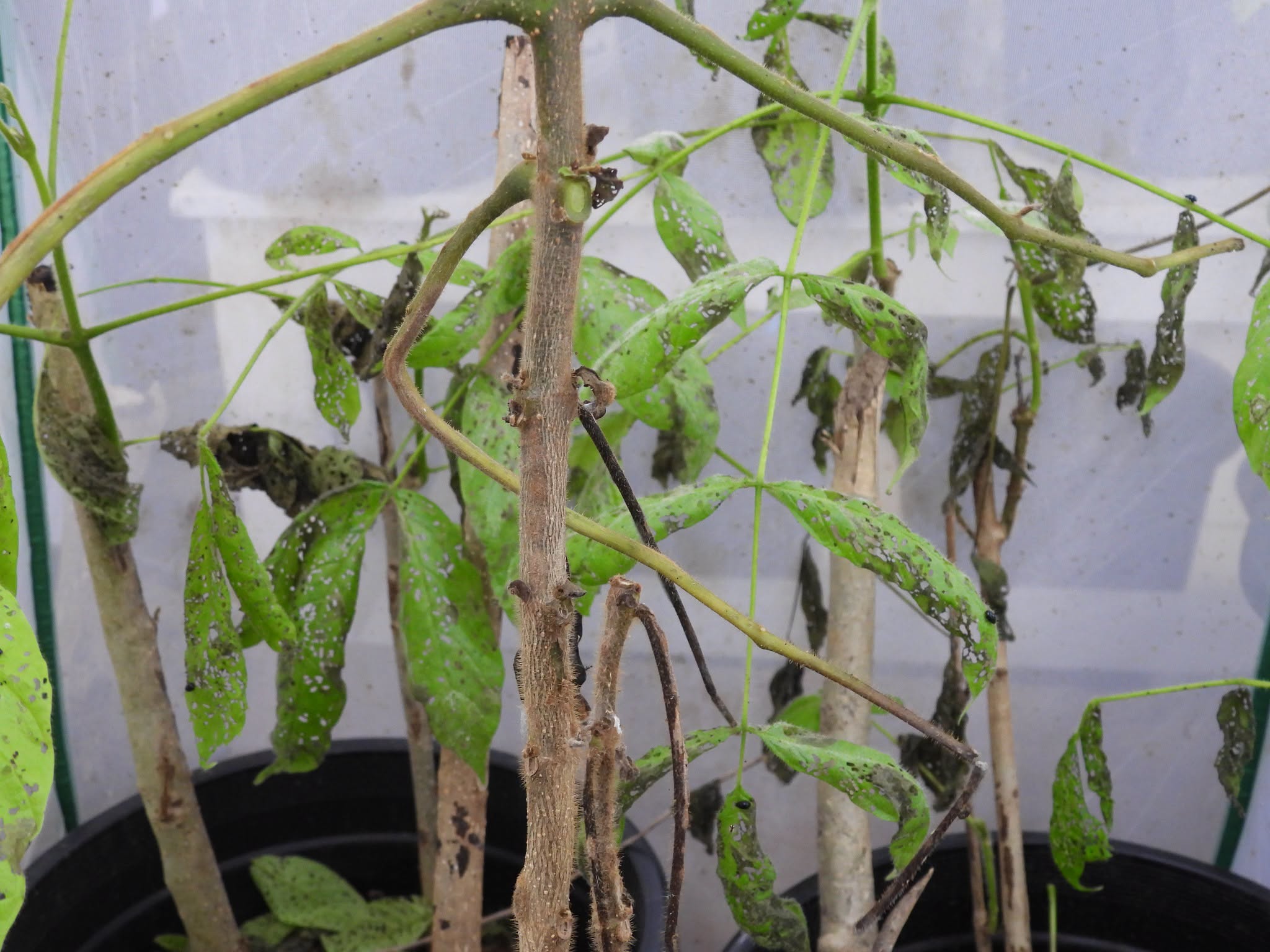
The research is taking place at the Plant Protection Biocontrol Unit's Biosecurity Approved Premises at Koronivia.
The Biosecurity Authority of Fiji certified the site as a post-entry quarantine facility on 7 August 2026, with the approval valid for one year.
Its conditional approval allows the ministry to keep the agents strictly for in-vitro and contained research while preventing their intentional or accidental release.
Any future field release would require separate written approval after the authority assesses the findings.
The agents were sourced through the Bioeconomy Science Institute and Manaaki Whenua - Landcare Research in New Zealand.
Arnaud Cartier and Indigo Michael delivered them in December 2025 under a permit covering the importation of live gall mites and leaf-mining flea beetles.
Both agents remain stable within the containment facility, although they are establishing at different rates.
About 120 adult flea beetles were initially imported, with at least 30 per cent of the original adults still alive.
The beetles have completed two generations, producing about 850 additional beetles.
The gall mite is establishing more slowly.
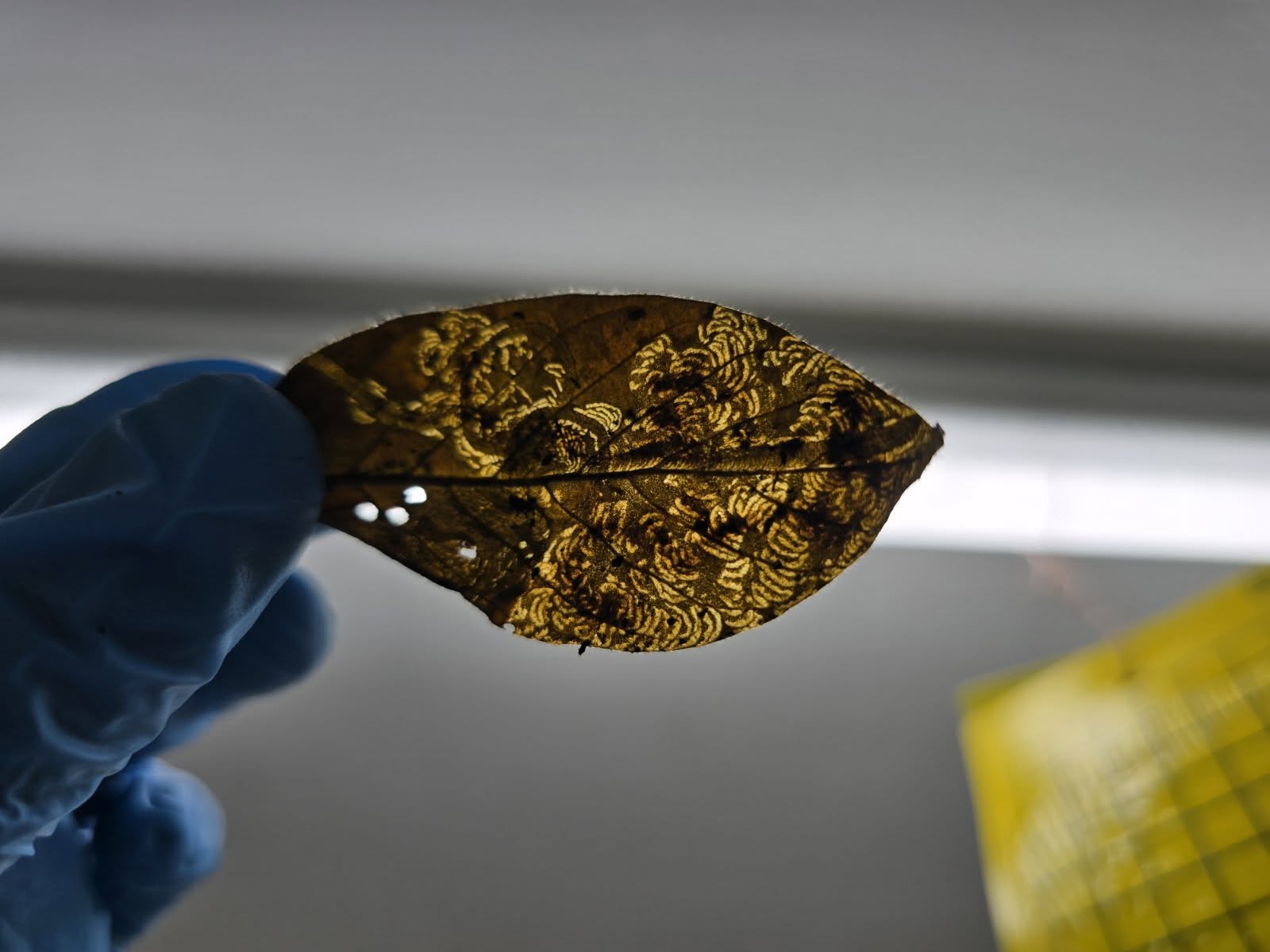
Visiting experts also observed possible gall mites on African tulip seedlings grown at the station for feeding, suggesting a potential self-introduction.
A similar situation was previously recorded in Samoa, while field assessments across Viti Levu and parts of Vanua Levu have found gall mites on African tulip plants.
Dr Prasad said the progress was encouraging, but further assessment was required before any release could be considered.
"We are encouraged by the establishment and reproduction of the flea beetle in containment, as well as the progress being made with the gall mite," Dr Prasad said.
"However, these results are part of an ongoing research process.
"We must complete the necessary testing, analyse the data and submit the findings to BAF before any decision can be made on field release."
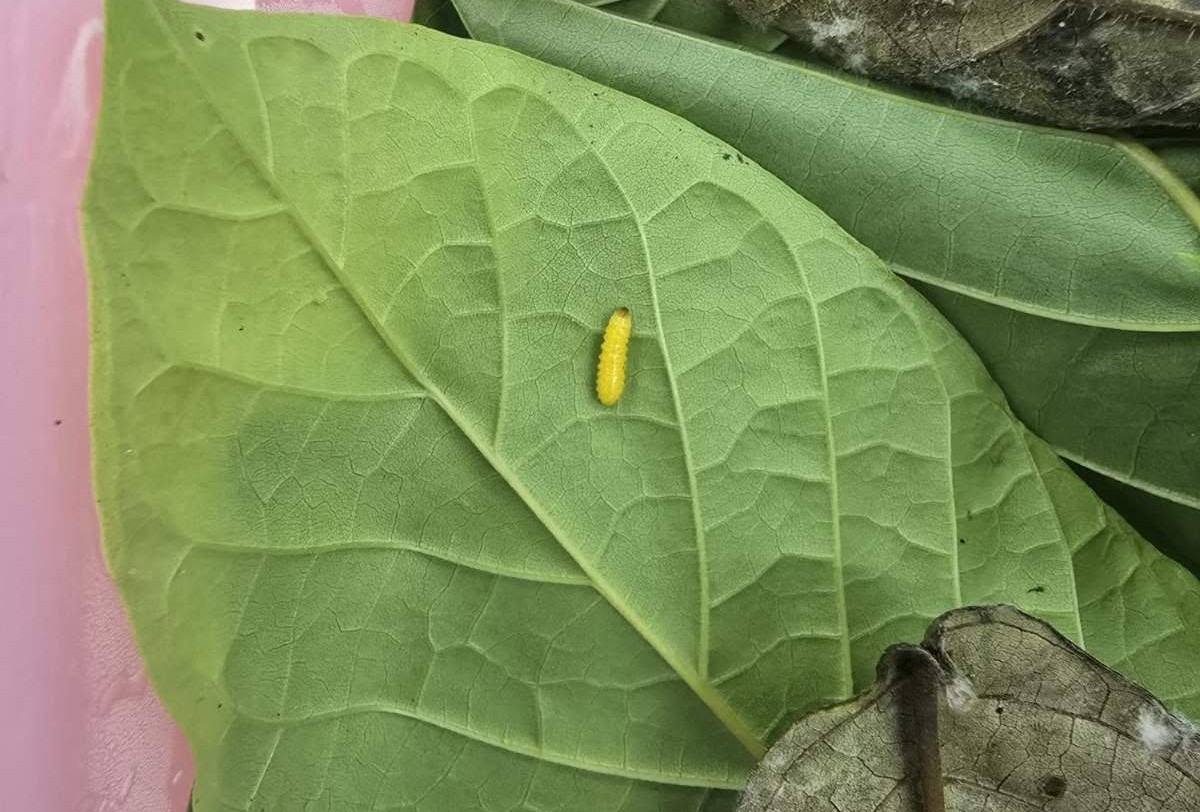
The Plant Protection team has completed its first round of host-specificity testing and started a second round involving four additional species from the Bignoniaceae family.
Testing also covers plants from related families considered important to agriculture and forestry.
Preliminary findings indicate both agents strongly prefer feeding and reproducing on African tulip, with no adverse effects observed among the non-target species tested so far.
The ministry is analysing the data and preparing a comprehensive report for the Biosecurity Authority of Fiji.
Dr Prasad added biological control could provide a long-term management option if supported by scientific evidence and biosecurity protections.
"Biological control has the potential to provide a sustainable management option for African tulip, but it must be supported by robust scientific evidence and strong biosecurity safeguards," Dr Prasad said.
"The Ministry will continue to follow the required regulatory processes and will only consider any future field release following the appropriate scientific assessment and written approval from BAF."



